Internet: A Direct Voice for Victims of Global Military Interventions
DID Press: Expansion of the internet and social media has enabled people in countries affected by war and military interventions to directly share their experiences and the consequences of conflict. According to Vietnamese anti-colonial activist Sonny Thang, this development has challenged the Western media’s monopoly over reporting the experiences of war victims.
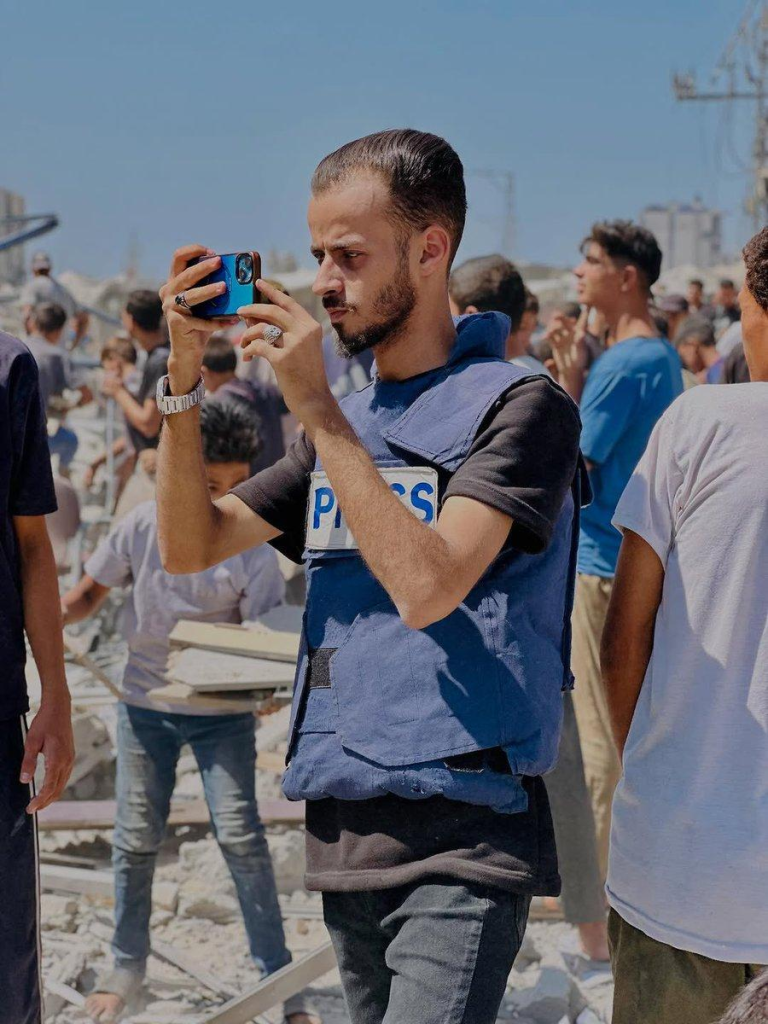
Referring to changes in communications from 1965 to the present, Sonny Thang said that people in Vietnam, Iraq, Afghanistan, Libya, Yemen and Syria can now directly share their experiences of war and military interventions with audiences around the world.
According to him, it is now possible to see, without traditional media intermediaries, the account of a Yemeni doctor describing conditions in hospitals, the experience of Iraqi parents dealing with the consequences of war, or footage from a Palestinian journalist showing the destruction of his or her neighborhood — an opportunity that did not exist in the 1960s.
Thang believes this transformation has changed the relationship between war victims and global public opinion. People are no longer merely subjects of media reports; they can also become witnesses and narrators of events that have transformed their lives.
At the same time, he has pointed to the role of audiences in engaging with such accounts, saying that when diverse voices are accessible through the internet, relying exclusively on official narratives while ignoring the direct experiences of victims raises serious questions about the standards used to assess the credibility of information and the value placed on human lives.
This view highlights a fundamental change in the information landscape: wars are no longer narrated solely through the lens of media organizations and official authorities; victims themselves now have tools to share their experiences. However, access to firsthand accounts does not eliminate the need to verify information, consider limitations in access, and independently assess available evidence.