Wakhan Corridor: A New Afghanistan–China Link With Wider Regional Transit Implications
DID Press: The opening of a road through Afghanistan’s Wakhan Corridor has created a new land connection toward China, potentially reshaping regional trade and transit routes. However, the road’s economic value will depend on whether Beijing opens the border to commercial traffic, security arrangements are established, and the route is integrated with wider transport networks, including Iran’s railway system.
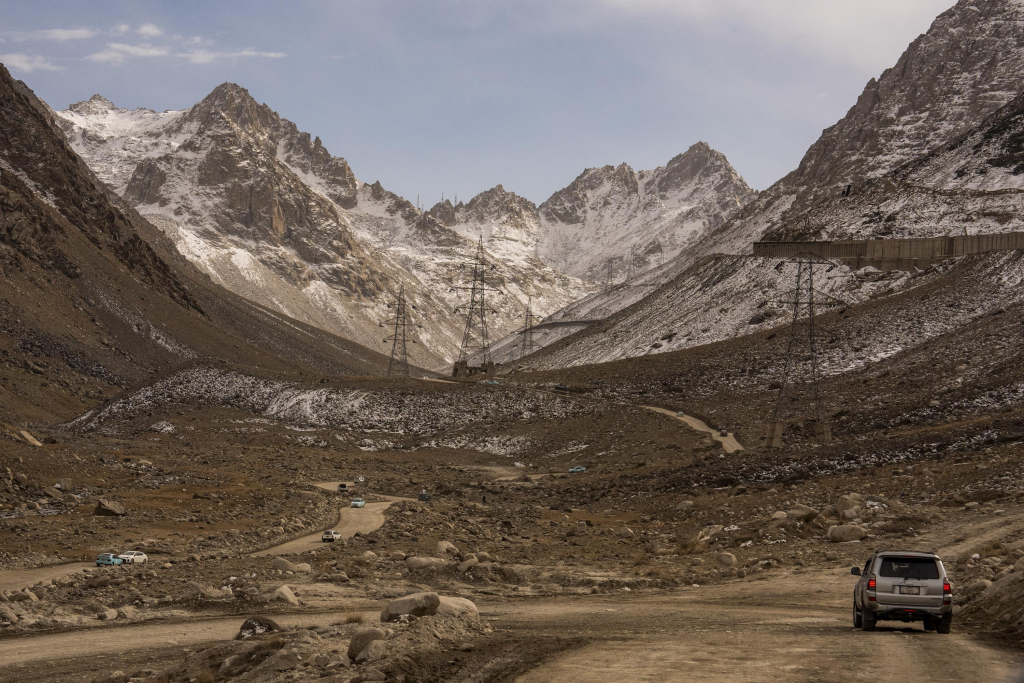
In an analysis published by the Institute for Strategic Studies of the East, Mustafa Zandieh examines the corridor’s strategic significance and its potential implications for Afghanistan, China and Iran. The central argument is that completing the road on the Afghan side is only the first step; it does not, by itself, establish an operational international trade corridor.
From Road Opening to Trade With China
The Wakhan Corridor, located in northeastern Afghanistan’s Badakhshan province, contains the country’s only direct land border with China. The road was officially inaugurated on October 4, 2026, extending approximately 121 km from the Broghil area to the Afghan side of the Chinese border. Afghan authorities said the project cost 365 million afghanis, or about $5.5 million.
The route could give Afghanistan an additional option for trade and reduce its reliance on Pakistani crossings, which have periodically been disrupted by political and security tensions. However, it is not yet a fully functioning commercial corridor. China has not opened an official customs crossing at the border, and the rugged, high-altitude terrain presents further logistical challenges.
China’s Decision Remains Critical
China’s willingness to open the border for commercial traffic is a key factor in determining the corridor’s future. Beijing has long been concerned about security risks along its Xinjiang border, including the possibility of armed groups operating from Afghan territory. The completion of road infrastructure on the Afghan side does not resolve those concerns or replace the need for border and security agreements.
A February 19, 2026, analysis by the Institute for Advanced International Studies of Uzbekistan, titled Iran Seeks a Shortcut to China, examined the possibility of a transport corridor linking Iran, Afghanistan and China through Badakhshan and the Wakhan Valley. It highlighted the potential strategic value of the route while outlining the broader infrastructure required to make it viable.
Iran’s Potential Role in a Future Transport Network
For Iran, the main question is not simply whether Wakhan will compete with the port of Chabahar, but whether Iran’s railway and port networks can be connected to future transport routes across Afghanistan and toward China.
The Khaf–Herat railway already provides a rail connection between Iran and western Afghanistan, with sections entering service from 2020. A proposed extension linking Herat with Mazar-i-Sharif and, potentially, northeastern Afghanistan could create the foundations for a wider eastward transport network. However, the necessary connections remain incomplete, and a continuous rail route from Iran through Wakhan to China is still a long-term prospect rather than an operational freight corridor.
Wakhan and Chabahar: Competitors or Complements?
The Wakhan road and Iran’s Chabahar port could serve different but complementary purposes. Wakhan offers the possibility of direct land access between Afghanistan and China, while Chabahar provides Afghanistan and landlocked Central Asian countries with access to maritime trade.
Other proposed routes, including the Zahedan–Zaranj connection and a potential five-country railway linking China, Kyrgyzstan, Tajikistan, Afghanistan and Iran, could also contribute to regional connectivity. Their practical value will depend on financing, construction, security, transport costs and cooperation among the countries involved.
The Future Depends on Connecting the Networks
The Termez–Mazar-i-Sharif–Kabul–Peshawar route, Afghanistan’s western transport links, and railway networks in Iran and Central Asia offer additional possibilities for strengthening Afghanistan’s role in regional trade.
Ultimately, the Wakhan road provides Afghanistan with a potential alternative to routes through Pakistan and a new opportunity to develop trade with China. But its economic significance will become clear only when cross-border trade begins and the road is connected to functioning customs facilities and wider transport infrastructure.
For Iran, the challenge is not necessarily to compete directly with Wakhan, but to connect its own railway and port networks to the region’s emerging transport system. Wakhan is not yet an operational international trade corridor, but it could become an important link in a future network connecting Afghanistan, China, Central Asia and Iran.