Moscow Format Fails to Reach Consensus on Afghanistan
DID Press: The 8th meeting of the Moscow Format on Afghanistan concluded without a joint statement, highlighting persistent political and security divisions among regional countries. India’s Observer Research Foundation (ORF) described the outcome as a failure, attributing it to disagreements between Kabul and Islamabad, security concerns among Central Asian states, and Russia’s complex relationship with the Taliban government.
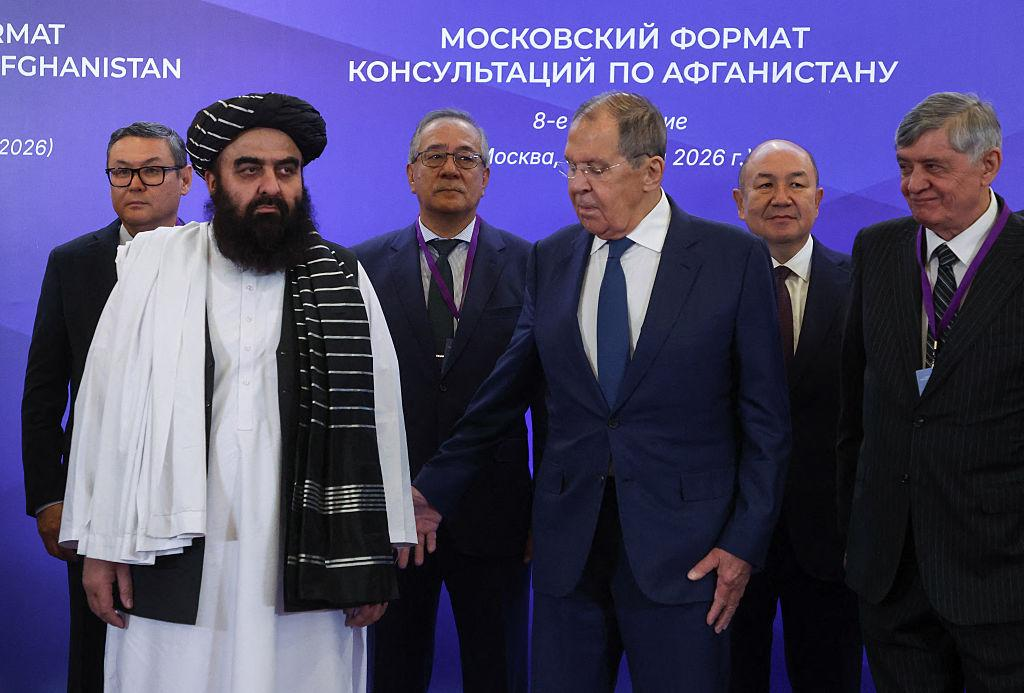
In an analysis published by ORF, Alexey Zakharov wrote that although the Moscow Format has sought over the past decade to bring regional powers closer to a common position on Afghanistan, its latest meeting in 2026 exposed the limitations of the mechanism.
According to ORF, the Taliban delegation’s opposition to parts of a draft statement addressing terrorism and Afghanistan was one of the main reasons the meeting ended without a joint declaration. Zamir Kabulov, Russia’s special presidential envoy for Afghanistan, said that, unlike the Taliban’s approach at last year’s meeting, the group did not agree to some of the proposed wording, resulting in the absence of a final statement.
Pakistan accuses the Taliban government of allowing anti-Islamabad militant groups to operate from Afghan territory. The Taliban, which rejects such allegations, opposed including certain language linking terrorism and Afghanistan in the Moscow Format’s final statement.
ORF noted that Moscow’s extensive political, economic and security ties with the Taliban—including Russia’s recognition of the group’s government—have placed it in a difficult position. Russia must balance its cooperation with the Taliban to address security threats against concerns raised by Tajikistan and other Central Asian countries.
Meanwhile, expanding trade, Russian energy and petroleum product exports to Afghanistan, and projects such as the Trans-Afghan Railway and the Turkmenistan-Afghanistan-Pakistan-India (TAPI) gas pipeline have increased the economic importance of bilateral relations. However, these initiatives have yet to help resolve regional security disagreements, the analysis said.
ORF concluded that the failure to issue a joint statement underscored the Moscow Format’s inability to establish a regional consensus on Afghanistan. Nevertheless, the forum remains one of the few platforms where competing regional powers can discuss Afghanistan.
Continued meetings could help manage regional disagreements, the analysis added, although reaching a common position on the Taliban among regional rivals remains a difficult and distant prospect.