DID Press: The latest results of the US midterm congressional elections and the Democrats’ return to a position of strength in the House of Representatives have once again exposed the vulnerability of Washington’s foreign policy to domestic electoral pressure.
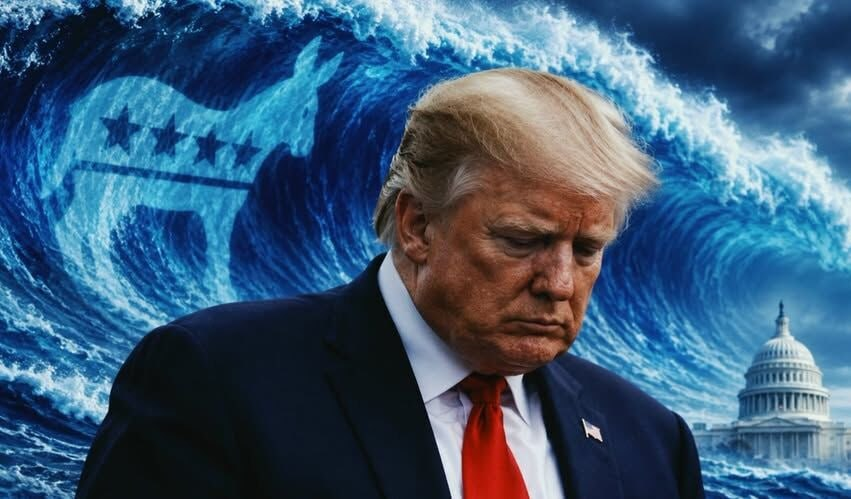
For years, US policymakers have pursued an approach based on the assumption that low-cost deterrence and the prolonged management of tensions in the Middle East could serve as tools for demonstrating American power. However, the Democrats’ gains and the defeat of hardline figures in this election have challenged that longstanding assumption.
The American electorate has shown that continued overseas conflicts and rising tensions with Tehran are no longer distant issues confined to another region. Instead, they are directly affecting fuel prices, everyday shopping costs and the living standards of America’s middle class.
The main reason behind this shift in the electoral landscape lies in the close connection between regional security and American household finances. Insecurity along strategic waterways, increased transit risks and sharp rises in fuel and energy prices have quickly translated into mounting inflationary pressure across the United States.
The Democrats, recognizing this growing public dissatisfaction, focused their message on a central argument: ordinary Americans, rather than politicians, are paying the price for what they describe as endless military ventures in the Middle East and pressure on Iran. This tangible economic message helped draw a broad section of independent and undecided voters away from hardline candidates, reshaping political calculations in several key states.
Nevertheless, political analysts continue to debate whether the shift in congressional power will completely remove the military option from consideration.
Some experts warn that even with Democrats gaining greater influence and activating oversight mechanisms, including Congress’s “power of the purse” and restrictions on Pentagon funding, the US presidency will retain certain powers to shape and direct foreign policy.
At the same time, unpredictable developments on the battlefield, cascading regional developments and continued pressure from traditional lobbying groups mean that some security circles have not entirely ruled out the possibility of targeted strikes or pre-emptive actions. This suggests that lasting de-escalation would require more than an electoral victory; it would demand a structural change in Washington’s strategic outlook.
Even so, the shift in congressional power has dealt a significant blow to traditional alliances and regional actors whose political interests, according to the article, were tied to escalating the US confrontation with Iran. Pressure groups and Washington’s regional allies, which had previously sought to intensify tensions through lobbying in Congress, now face a House of Representatives increasingly concerned about the potentially unlimited costs of such policies.
This political climate could push the White House to move away from a strategy based on accusations and military threats and toward crisis management, risk reduction and diplomatic channels. Any new military escalation, the article argues, could further undermine the administration’s domestic political standing.
The election results have demonstrated how vulnerable foreign policy can become when the material and human costs imposed on citizens are ignored. The price of prolonged wars and sustained tensions with Iran has now become a central issue in congressional politics, while American public opinion has signalled its unwillingness to bear unlimited costs.
If the current administration in Washington understands the message delivered by voters, it will need to reconsider its previous calculations and adapt to the region’s changing realities. In the new landscape of American politics, the costs of tensions in the Middle East are being settled not in Kabul or Tehran, but at the heart of Washington.
By Sayed Baqer Waezi — DID News Agency