UNHCR Warns Afghanistan’s Current Calm May Not Last
DID Press: A United Nations refugee agency official has warned that Afghanistan’s current relative calm should not be taken for granted, saying instability in the country could have far-reaching consequences for the region and the wider world.
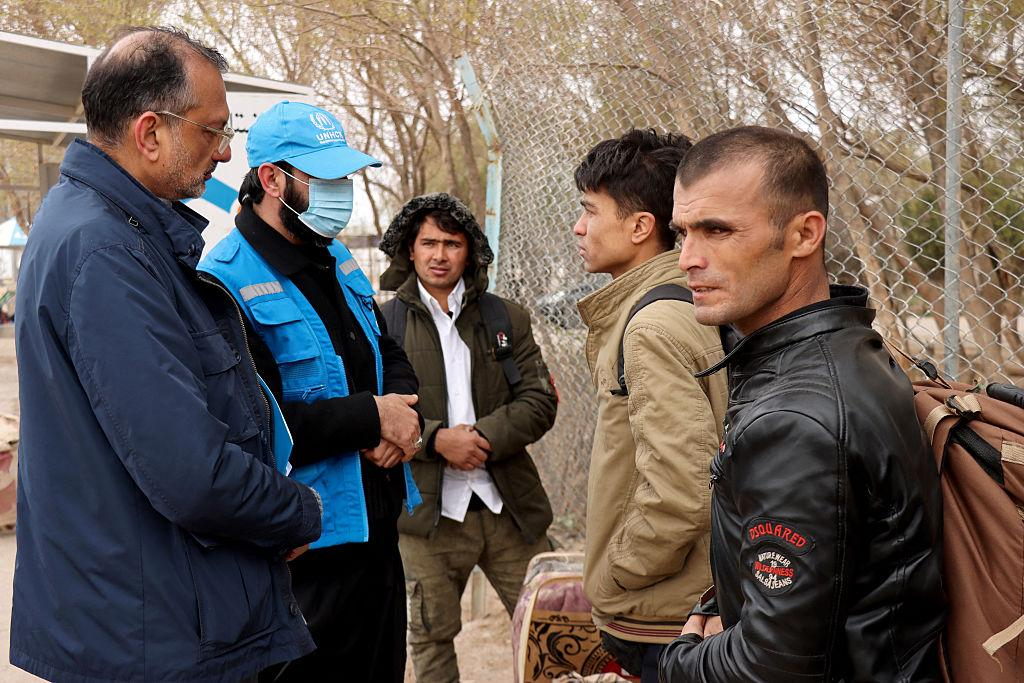
Arafat Jamal, the representative of the United Nations High Commissioner for Refugees (UNHCR) in Afghanistan, made the remarks in an interview with The Korea Times during his visit to Seoul.
Highlighting Afghanistan’s strategic location, Jamal noted that the country shares borders with seven states, including China, Pakistan and Iran, making its stability an issue of international security.
“It is at the moment calm, but tomorrow it may not be,” Jamal said, warning that failure to support Afghanistan could have serious consequences.
He described assistance to Afghanistan and its refugees not merely as a humanitarian responsibility but as an investment in a safer and more stable world. He also thanked the South Korean government and people for their continued support and urged them to maintain their assistance.
Jamal said more than 6.5 million Afghans have returned from neighbouring countries since September 2023, describing the movement as the largest of its kind in the world.
He noted that many returnees were born in Iran and Pakistan and had never lived in Afghanistan. Upon returning, they face serious difficulties, including a lack of identity documents, adequate shelter, employment opportunities and access to essential services.
According to Jamal, the absence of official documents can prevent returnees from enrolling their children in school, purchasing land or opening bank accounts. UNHCR is helping returnees obtain identity documents and providing housing, employment and, in some cases, cash assistance.
The UNHCR representative also expressed concern over growing anti-refugee sentiment worldwide. He stressed that protecting refugees does not mean advocating completely open borders, but ensuring that people fleeing persecution and insecurity have access to safety and protection.
He called on the international community to strengthen its support for Afghanistan, warning that neglecting the country’s humanitarian and stability challenges could have consequences beyond its borders.