IPC: 19.2 Million People in Afghanistan to Face Acute Food Insecurity This Winter
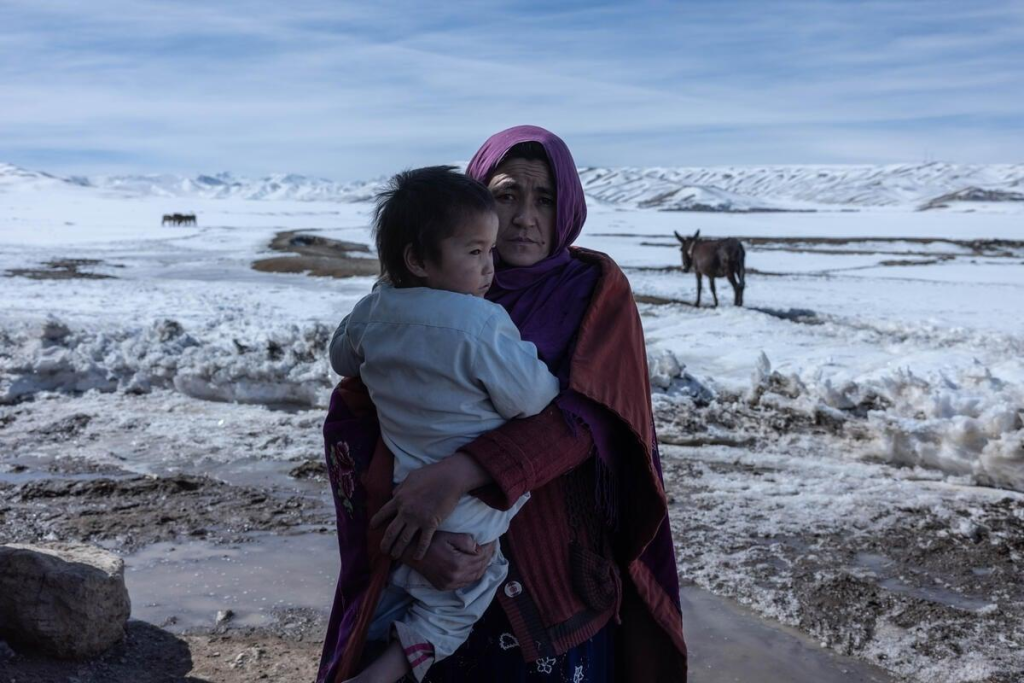
DID Press: United Nations Office for the Coordination of Humanitarian Affairs (OCHA) has warned of a worsening food security crisis in Afghanistan, projecting that the number of people facing acute food insecurity at Crisis level or worse will increase by 3.3 million, from 15.9 million in autumn 2026 to 19.2 million during the coming winter.
A special report titled Afghanistan: Acute Food Insecurity and Malnutrition Overview (August 2026–September 2027) examines the country’s nutritional situation, child malnutrition, vulnerable groups and geographical differences, assessing various dimensions of the crisis.
The report identifies declining household purchasing power, unemployment, inflation, trade disruptions, large-scale migrant returns and reduced humanitarian assistance as major factors worsening food insecurity. It also provides estimates for the coming months and recommends measures to reduce the impact of the crisis.
Despite improved rainfall and agricultural production, the report warns that access to food in Afghanistan is expected to deteriorate during the coming winter because of declining purchasing power, unemployment, trade disruptions, migrant returns and reduced humanitarian assistance.
Acute Food Insecurity Expected to Affect 3.3 Million More People During Winter
As Afghanistan approaches the difficult winter season, millions of people continue to face acute food insecurity, with projections indicating a further increase in the number of people requiring food assistance in the coming months.
The latest analysis by the Integrated Food Security Phase Classification (IPC) shows that improved rainfall and increased agricultural production have helped boost food supplies. However, these developments have not eased the economic and livelihood pressures facing a large proportion of households.
Covering the period from August 2026 to September 2027, the report identifies several factors contributing to worsening food insecurity, including weak purchasing power, unemployment, inflation, rising agricultural input costs, border tensions and trade disruptions with Pakistan, large-scale migrant returns and declining humanitarian assistance.
15.9 Million People Facing Crisis or Emergency Levels of Food Insecurity
According to the IPC assessment, approximately 15.9 million people, representing 32 percent of the population analysed, were facing IPC Phase 3 or above in September and October 2026. This figure is projected to rise to 19.2 million, or 38 percent of the population analysed, between November 2026 and April 2027.
The figures indicate that the central challenge is not simply the amount of food produced or available, but also whether households can afford to access sufficient food.
The IPC report estimates that, during September and October 2026, around 15.9 million people in Afghanistan were experiencing Phase 3 or higher levels of acute food insecurity. Of these, 12.5 million were in Crisis conditions and 3.4 million were facing Emergency conditions.
The assessment shows that food insecurity disproportionately affects poor and vulnerable households, particularly those dependent on daily wage labour, agriculture and unstable sources of income. Returnees from neighbouring countries, female-headed households and women with limited access to economic resources are also at greater risk.
Table 1 – Acute Food Insecurity in Afghanistan, September–October 2026
| IPC Phase | Classification | Share of Population |
|---|---|---|
| Phase 1 | Minimal | 29% |
| Phase 2 | Stressed | 40% |
| Phase 3 | Crisis | 25% |
| Phase 4 | Emergency | 7% |
| Phase 5 | Catastrophe/Famine | 0% |
| Phase 3 and above | Crisis or worse | 32% |
Food Insecurity Expected to Worsen During Winter
The IPC outlook for November 2026 to April 2027 points to worsening food insecurity during winter and the so-called lean season.
According to the projection, the number of people in Phase 3 or above is expected to reach approximately 19.2 million, equivalent to 38 percent of the population analysed.
During this period, around 14.2 million people are projected to be in Phase 3, while more than five million are expected to face Phase 4 conditions. This means the number of people experiencing emergency levels of food insecurity is also expected to increase compared with the current period.
Table 2 – Projected Acute Food Insecurity, November 2026–April 2027
| IPC Phase | Estimated Population | Share of Population |
|---|---|---|
| Phase 1 – Minimal | 14.0 million | 28% |
| Phase 2 – Stressed | 17.3 million | 34% |
| Phase 3 – Crisis | 14.2 million | 28% |
| Phase 4 – Emergency | 5.1 million | 10% |
| Phase 5 – Catastrophe/Famine | 0 | 0% |
| Phase 3 and above | 19.2 million | 38% |
One of the report’s key findings is that improved rainfall and agricultural production have coincided with worsening food insecurity indicators.
According to the assessment, better rainfall and increased crop production have improved physical food availability and supplies. However, these improvements have not translated into reliable and affordable access to food for a large proportion of households.
Declining Purchasing Power: The Gap Between Food Production and Household Access
The report identifies weak purchasing power, unemployment, inflation and rising agricultural input costs as major drivers of the crisis.
Households without agricultural land, as well as those relying on daily wage labour, do not necessarily benefit from increased agricultural production. These families still need to purchase food from markets, where rising prices and living costs place considerable pressure on their limited incomes.
From this perspective, Afghanistan’s food security cannot be assessed solely by grain harvests or agricultural production levels. Households’ economic access to food, income and their ability to meet basic needs are equally important factors.
Trade Disruptions and Migrant Returns Add Pressure on Household Livelihoods
Border tensions with Pakistan and disruptions to trade are among the other factors identified by the IPC as worsening Afghanistan’s economic and food security pressures.
The report lists trade disruptions and large-scale migrant returns, alongside inflation, unemployment and declining purchasing power, as factors making household living conditions increasingly difficult.
Returns from Pakistan and Iran, particularly to areas with limited economic resources and public services, can create additional demand for housing, food, employment and essential services.
Families returning without savings, assets or employment opportunities may become increasingly dependent on food assistance and livelihood support.
Declining Humanitarian Assistance Amid Rising Needs
The reduction in humanitarian assistance is one of the main concerns highlighted in the IPC report.
Despite growing needs, food and other forms of humanitarian support no longer have sufficient capacity to offset the livelihood pressures facing vulnerable households.
According to the report’s calculations, during the first projection period, humanitarian food assistance equivalent to approximately 50 percent of daily caloric requirements was factored in for only one percent of the population.
For the second projection period, no confirmed food assistance was included in the analysis.
The limited coverage of food assistance means that, unless humanitarian resources increase, vulnerable households will face even greater difficulties in securing food and protecting their livelihood assets.
Four Million Children Expected to Require Treatment for Acute Malnutrition in 2027
The crisis in Afghanistan extends beyond food insecurity.
The IPC report also warns of worsening acute malnutrition, saying levels during August–October 2026 reached the highest level ever recorded for this period.
The report estimates that approximately 4.04 million children aged six to 59 months in Afghanistan will require treatment for acute malnutrition in 2027.
Of these, nearly 1.1 million children are expected to suffer from severe acute malnutrition, while approximately 2.95 million will face moderate acute malnutrition.
Food Insecurity and Emergency Conditions Expected Across Seven Provinces
The IPC map indicates that food insecurity will remain widespread across much of Afghanistan, with a large number of geographical areas classified under Phase 3, or Crisis conditions.
According to the report, seven provinces are expected to face Emergency-level food insecurity, classified as Phase 4, during the projection period. These are Daikundi, rural areas of Ghazni, Badakhshan, Samangan, Sar-e Pol, Badghis and Ghor.
This classification indicates more severe food insecurity in these areas than in regions expected to remain in Phase 3.
Call for Increased Food Assistance and Livelihood Support
In its recommendations, the IPC report stresses the need to expand food assistance, support agriculture and livelihoods, protect malnutrition treatment services and strengthen early warning systems.
The key priorities outlined in the report include:
- Expanding food assistance during winter: Increasing timely food assistance and shock-responsive social protection, particularly for vulnerable households during the lean season.
- Supporting agriculture and productive assets: Providing agricultural inputs on time, supporting planting cycles, protecting productive assets and safeguarding household livelihoods.
- Strengthening preparedness for migrant returns: Establishing response mechanisms to address potential returns from Pakistan and Iran, taking into account food needs, employment and livelihood requirements.
- Protecting malnutrition treatment services: Maintaining the capacity of health facilities in areas with high levels of malnutrition, expanding community-based treatment approaches and using simplified, cost-effective treatment protocols where necessary.
Conclusion: A Crisis Beyond Food Production Shortages
The overall findings of the IPC report indicate that Afghanistan is facing a multidimensional food security and nutrition crisis.
While improved rainfall and agricultural production have helped increase food supplies, weak purchasing power, unemployment, inflation, trade disruptions, rising production costs, migrant returns and declining humanitarian assistance have restricted vulnerable households’ access to food.
The projected increase in the number of people facing Phase 3 or above of acute food insecurity—from 15.9 million in September and October 2026 to 19.2 million between November 2026 and April 2027—signals a deterioration in conditions during the winter season.
Although the figure is projected to decline to 15.3 million between May and September 2027, a substantial proportion of the population will continue to face Crisis or Emergency levels of food insecurity.
The report’s central message is that addressing Afghanistan’s food insecurity requires more than increasing agricultural production or distributing food on an occasional basis. Sustained livelihood support, income-generating opportunities, access to nutritious food, stronger health and nutrition services, improved water and sanitation, and adequate funding for humanitarian assistance are all essential to reducing the population’s vulnerability.