DID Press Exclusive Report: Abdul Bari Atwan, political analyst and editor-in-chief of Rai al-Youm newspaper, argues in his assessment of the dynamics of the confrontation between Tehran and Washington that Iran’s insistence on maintaining its nuclear programme and its refusal to accept US demands stem from the country’s reliance on a range of military, geopolitical and technological deterrence factors. Examining Iran’s missile and drone capabilities, the strategic importance of the Strait of Hormuz and its cyberwarfare capabilities, he argues that the rising military and security costs of any confrontation with Tehran have limited Washington’s range of options and influenced the Trump administration’s calculations regarding Iran.
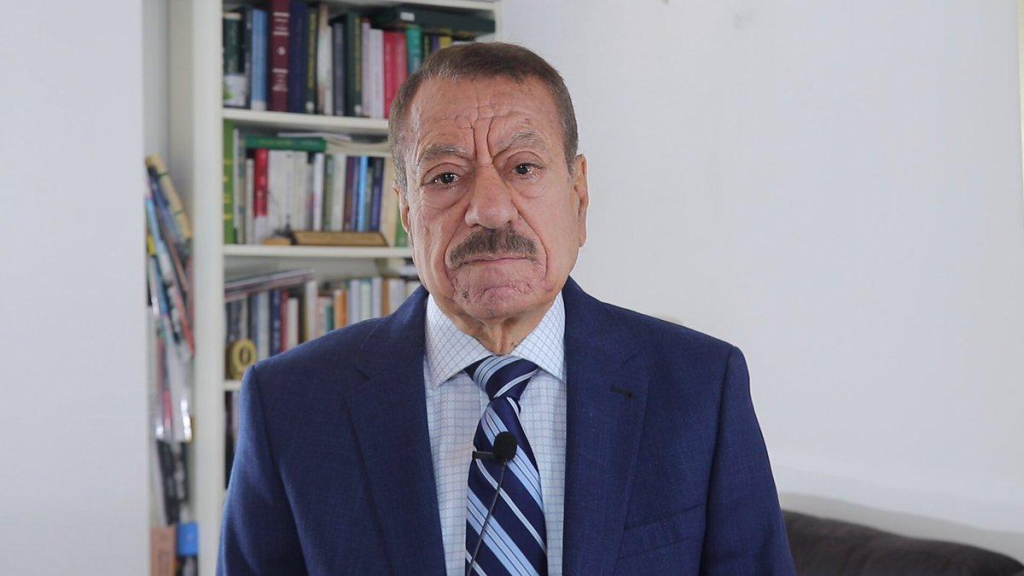
Abdul Bari Atwan, a Palestinian journalist and political analyst and editor-in-chief of the pan-regional newspaper Rai al-Youm, examined various aspects of the confrontation between Tehran and Washington in an article titled “Trump, Why Is He Avoiding Military Confrontation, and Was Iran’s Recent Cyberattack Deep Inside US Territory One of the Most Important Reasons?”
Focusing on Iran’s nuclear programme, missile and drone capabilities, the strategic position of the Strait of Hormuz and its cyberwarfare capabilities, he argues that the Trump administration’s return to its demand for the transfer of Iran’s enriched uranium stockpiles is a sign of the limitations of the military option and a change in Washington’s calculations. In Atwan’s view, Tehran will not retreat from its right to uranium enrichment and will insist on maintaining its strategic positions in the face of US pressure.
US Military Limitations and Washington’s Changing Calculations
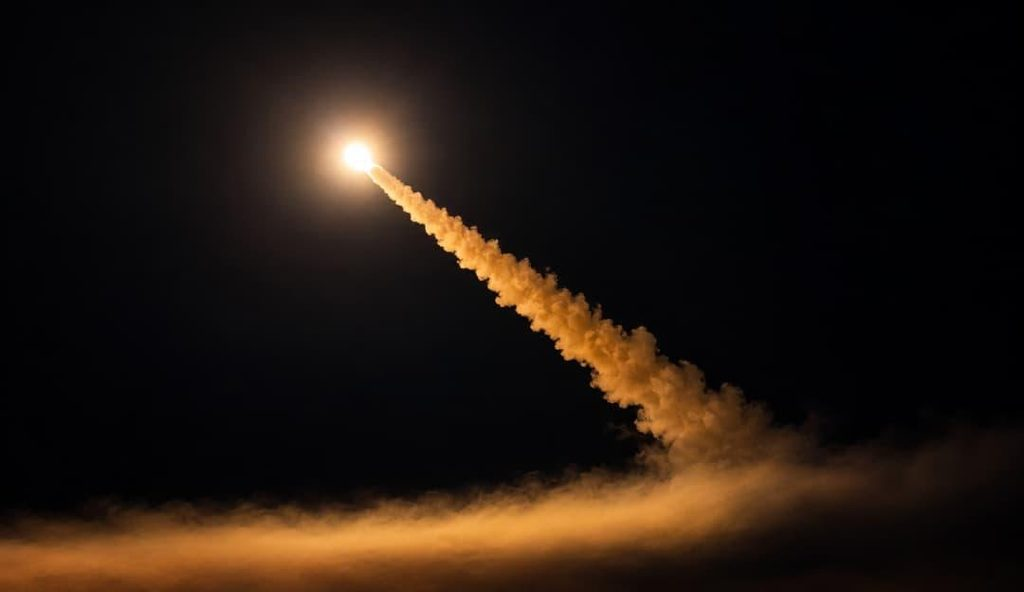
Atwan considers one of the most important reasons for Trump’s caution about military confrontation with Iran to be the vulnerability of US forces and military equipment in the region. He believes that Iran’s missile and drone capabilities have challenged the air superiority of the United States and Israel and increased the possibility of heavy damage to aircraft carriers, warships, fighter jets and US drones.
To support this argument, he points to a missile striking an F-16 fighter jet in southern Iran and the downing of an advanced MQ-9 drone while it was flying over the Strait of Hormuz. In Atwan’s view, these developments demonstrate that the military and air capabilities of the United States and Israel have been rendered ineffective against Iran’s missile and defensive capabilities.
Nuclear Programme: Tehran’s Non-Negotiable Red Line
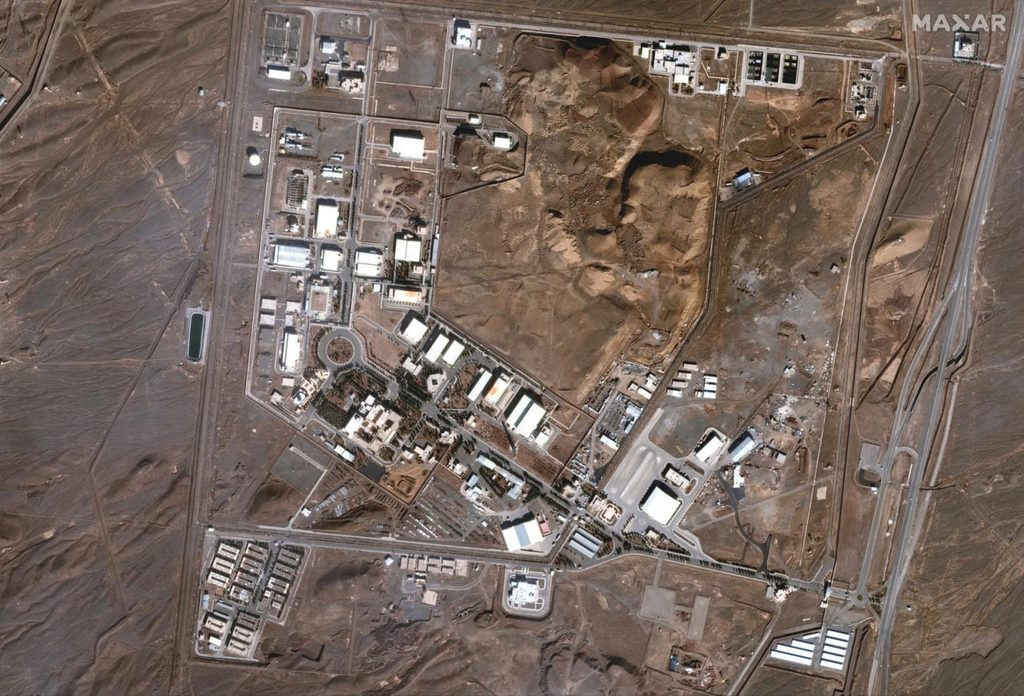
The central focus of Atwan’s analysis is Iran’s insistence on maintaining its nuclear programme and its refusal to hand over its enriched uranium stockpiles. He believes that Iran’s leadership regards the right to enrich uranium for peaceful purposes as one of the fundamental rights and red lines of the Islamic Republic of Iran, and that it has refused to retreat from this position in various negotiations, including talks in Vienna, Islamabad and Geneva.
According to Atwan, Tehran’s opposition to renewed visits by International Atomic Energy Agency inspectors to its nuclear facilities should also be assessed within this framework. Atwan also points to growing calls in favour of Iran’s withdrawal from the Treaty on the Non-Proliferation of Nuclear Weapons (NPT) and proposals for a review of the country’s nuclear doctrine. In his view, these positions have been raised in response to threats from the United States and Israel, particularly Trump’s remarks about the possibility of using the nuclear option.
Atwan stresses in this regard that Iran has not retreated from its right to uranium enrichment, even during lengthy negotiations, and regards the nuclear issue as something outside the framework of political concessions and bargaining. In his view, Tehran has informed Pakistani and Qatari mediators that, before any reopening of the Strait of Hormuz, Washington must accept Iran’s seven conditions. The most important of these conditions are an end to the war, the lifting of the blockade and sanctions, and the release of Iranian assets frozen in US and European banks.
Strait of Hormuz: Iran’s Strategic Leverage
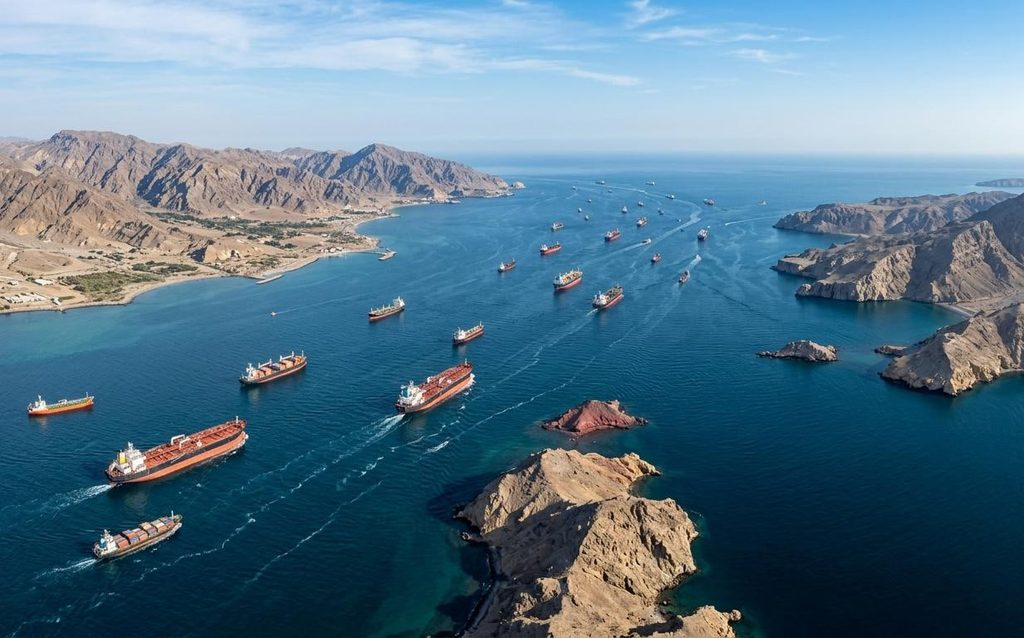
Another part of Atwan’s analysis is devoted to the position of the Strait of Hormuz in the dynamics of the confrontation between Iran and the United States. He believes that developments in this waterway have demonstrated that Washington, contrary to its claims, does not have complete control over the Strait of Hormuz, and that Iran continues to maintain control over this strategic area and the ability to influence maritime security and the movement of shipping.
Referring to attacks attributed to Iranian forces against oil tankers and commercial vessels, Atwan regards these developments as a sign of Tehran’s continued deterrence capabilities. In his assessment, the Strait of Hormuz is not merely a maritime passage but one of Iran’s most important strategic levers for influencing the calculations of the United States and its allies.
He also raises the possibility of an expansion in the scope of Iran’s military response. He believes that, if a new round of conflict occurs, Tehran may extend the geographical scope of its operations beyond the Persian Gulf and Jordan and also place US military bases in Europe under threat.
Cyberwarfare: The Hidden Front in the Iran-US Confrontation
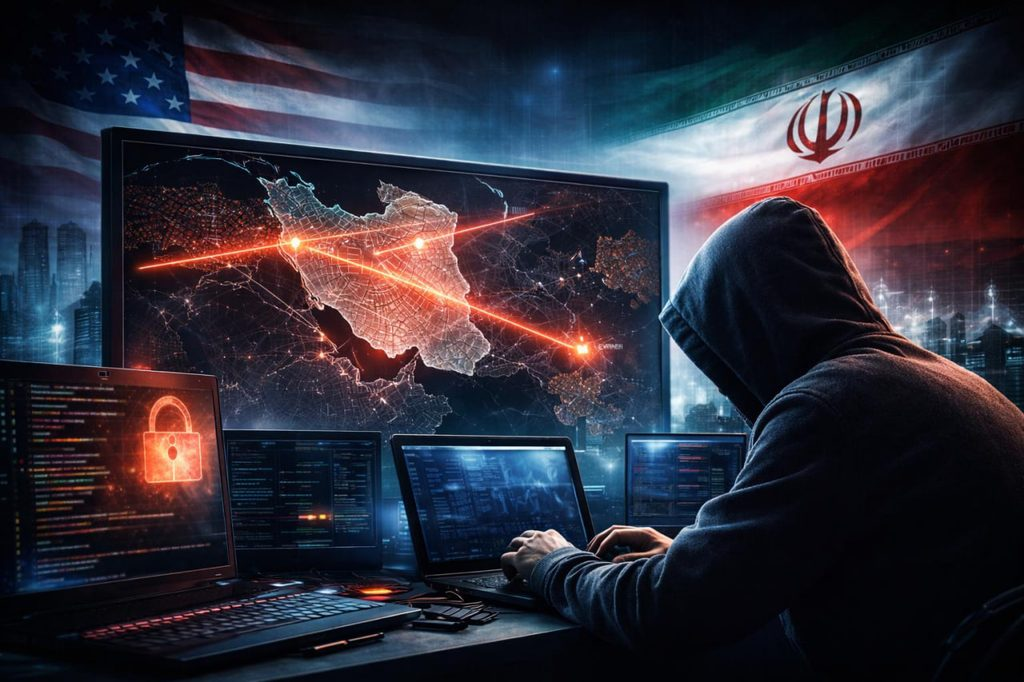
One of the notable sections of Atwan’s article highlights the role of cyberwarfare in the new dynamics of the confrontation between Iran and the United States. He claims that cyberattacks attributed to Iran have targeted classified US communications infrastructure, disrupted some communications systems and led to the gradual disclosure of information. Atwan also refers to Microsoft and claims that developments in this field have led to financial problems for the company and weakened its position.
In his view, cyberwarfare has become one of the decisive arenas of confrontation and could have far-reaching consequences for the world’s communications and economic infrastructure, extending beyond traditional battlefields.
Atwan goes on to raise the possibility of undersea internet communication cables in the Strait of Hormuz being targeted as one of the potential scenarios. In his view, damage to more than seven communication cables in this area could create a major crisis in international communications and seriously disrupt global access to the internet and social media networks.
Uranium Stockpiles and the Future of the Tehran-Washington Confrontation
In his concluding assessment, Atwan describes Iran’s nuclear programme as one of the country’s most important strategic deterrence factors. In his view, Iran is unwilling to hand over these stockpiles and will not allow International Atomic Energy Agency inspectors access to its nuclear facilities, because Tehran is suspicious of the possibility that sensitive information could be transferred to US and Israeli intelligence agencies.
Atwan ultimately expresses doubts about the neutrality of international mediators and claims that some of them operate under the influence or direction of US intelligence agencies. On this basis, he believes Iran, relying on its military capabilities, the strategic position of the Strait of Hormuz, and its nuclear and cyber capabilities, is in a position where it will not easily retreat from its main positions.
Atwan’s overall argument is that the issue of enriched uranium for Iran is more than a technical matter or something that can be traded in diplomatic negotiations; it is part of the country’s deterrence and national security equation—an equation that, in his view, exposes the limitations of US military power and the costs of any renewed confrontation with Tehran.
By Masoud Balkhi | DID News Agency