Taliban Shifts Trade Away From Pakistan Toward Iran, Central Asia
DID Press: As border tensions between Kabul and Islamabad escalate and key crossings remain closed, the Taliban administration says it is restructuring Afghanistan’s foreign trade to reduce dependence on Pakistan, redirecting imports — including pharmaceuticals — through Iran and Central Asia. The decision, along with a three-month deadline to halt imports of Pakistani medicine, has raised concerns among traders and medical suppliers.
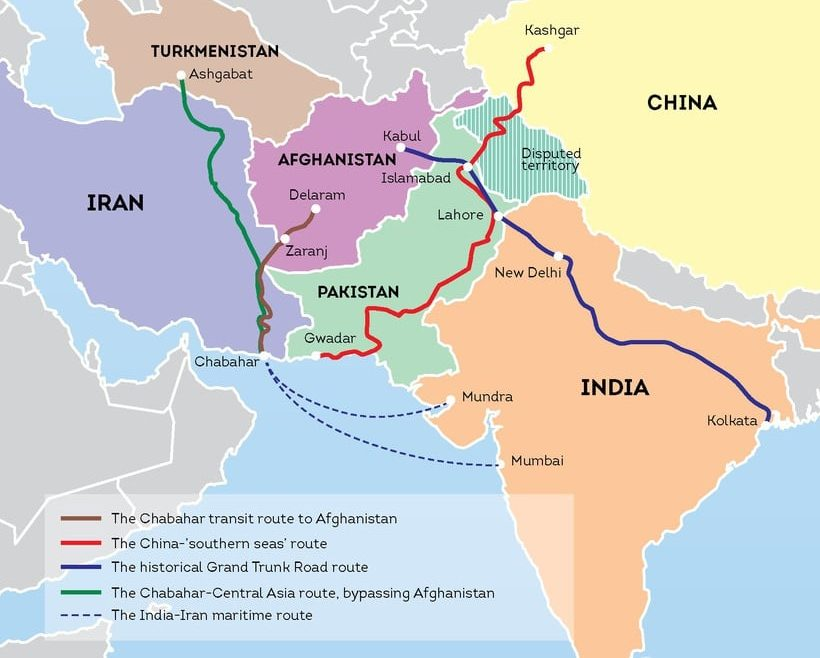
Taliban officials say Afghanistan’s long-standing reliance on Pakistani ports has turned into a leverage tool for Islamabad, and Kabul is now determined to expand regional commercial ties via Iran and Central Asia.
Akhundzada Abdussalam Jawad, spokesperson for the Ministry of Industry and Commerce, told Reuters that Afghanistan’s trade volume with Iran has reached $1.6 billion over the past six months — surpassing the $1.1 billion recorded with Pakistan. He added that Iran’s Chabahar Port offers greater reliability due to fewer disruptions and more consistent transit operations.
Mullah Abdul Ghani Baradar, the Taliban’s Deputy Prime Minister for Economic Affairs, has accused Pakistan of using “trade and humanitarian matters as political pressure tools.” He has urged Afghanistan traders to settle all accounts with Pakistani partners within three months and shift to alternative trade routes. Baradar has also ordered a halt to the clearance of Pakistani medicines, citing concerns over quality.
The Finance Ministry’s three-month deadline to stop importing Pakistani pharmaceuticals has triggered uncertainty among companies. Fazlullah Niazi, head of the Union of Pharmaceutical Importers, said that 60–70% of Afghanistan’s current medical supplies come from Pakistan, making swift disengagement “practically difficult,” especially with the borders closed.
He noted that millions of dollars belonging to Afghanistan companies remain in Pakistani accounts, and unless transit routes via Karachi, Chabahar or Bandar Abbas reopen, settlements will remain impossible. Niazi added that imports from India, Turkey, Iran and Bangladesh are feasible but require the government to ease foreign company registration and expand the list of approved medicines.
Despite industry concerns, the Finance Ministry insists that no Pakistani medicines will be cleared after the three-month period and has urged traders to avoid importing “low-quality drugs.” The ministry has said it will provide customs facilities to help identify alternative pharmaceutical suppliers.
The developments mark a significant shift in Afghanistan’s trade orientation, away from Pakistan — its traditional transit route — and toward Iran and Central Asia. While the Taliban frame the move as part of a broader drive for economic independence, the policy carries immediate and tangible consequences for the country’s drug market and distribution networks.