Qassem Soleimani: Architect of Geopolitical Resistance Network in Middle East
DID Press: Qassem Soleimani, the late commander of Iran’s Quds Force, was more than a military leader—he was a strategic architect who reshaped the Middle East’s geopolitical landscape. His approach transformed “resistance” from a reactive measure into a structured, enduring system of regional influence, challenging the conventional power frameworks imposed by the United States and its allies.
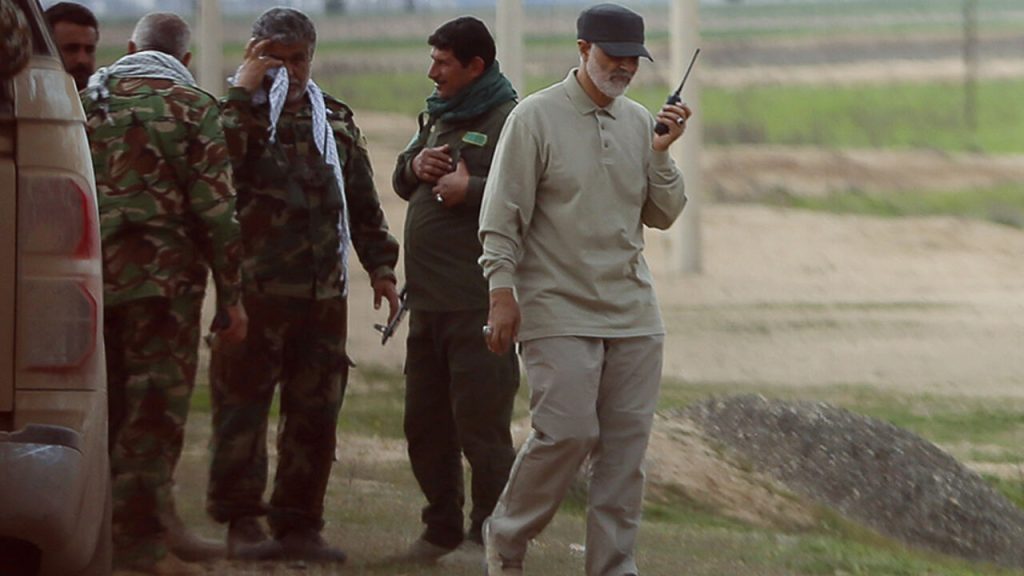
Before Soleimani, the resistance front consisted of scattered actors with aligned goals but no strategic cohesion. He integrated these forces into a unified geopolitical network, linking Baghdad, Damascus, Beirut, and Palestine into a continuous strategic framework. His focus on key nodes was not merely military; it was aimed at creating a corridor of influence that neutralized enemy pressure in depth.
Soleimani’s strategy against ISIS exemplified this vision: he treated the group not just as a terrorist organization, but as a geopolitical tool meant to sever the connectivity of resistance forces. The defeat of ISIS in Iraq and Syria reflected his simultaneous management of territory, politics, and identity.
A key aspect of his methodology was combining hard power with social legitimacy. By engaging local populations and respecting indigenous structures, he ensured that the resistance became both a military and socio-political reality, distinguishing it from foreign-imposed interventions.
Although his assassination aimed to dismantle this architecture, the network he established proved resilient. Posthumously, the resistance evolved into a more sophisticated model of deterrence and confrontation.
Soleimani’s legacy illustrates that in the Middle East, enduring power emerges from field presence, social cohesion, and strategic integration—not from externally imposed borders or agreements.
#Hero_of_the_Islamic_ummah