Taliban’s Concentration of Wealth and Power Fuels ‘Tribalization’ of Afghanistan’s Economy
DID Press: Evidence from multiple Afghan provinces suggests the Taliban have systematically restructured the country’s economic and administrative systems to consolidate wealth, employment opportunities, and key revenue streams within networks aligned with the group—largely benefiting members of a particular tribe. Critics describe the process as the “tribalization of Afghanistan’s economy and power.”
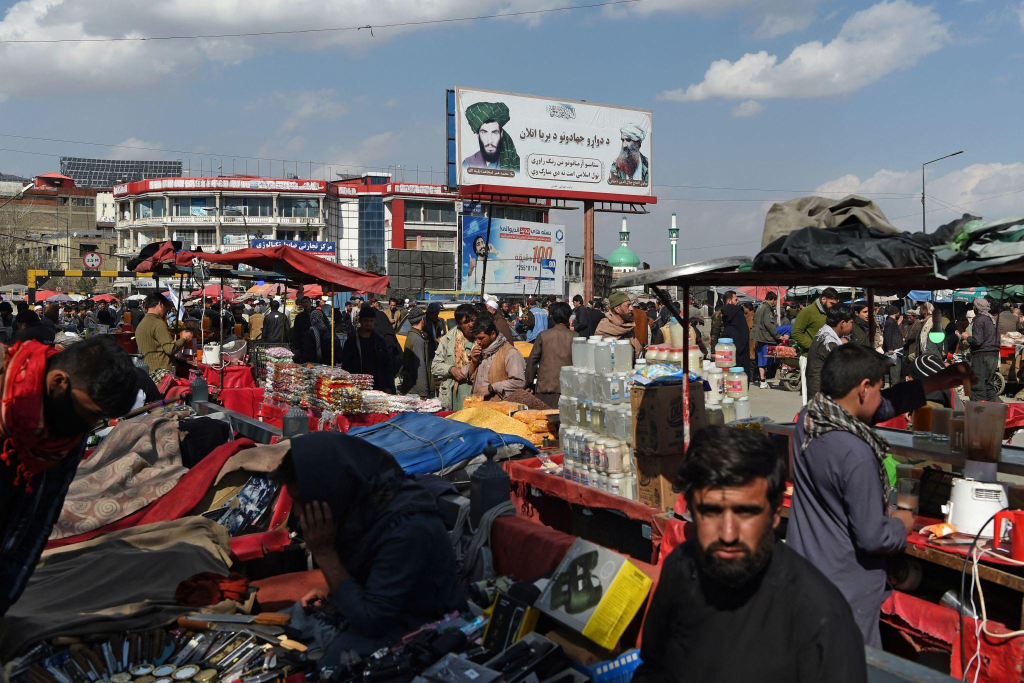
Accounts and documents gathered from across Afghanistan indicate that since returning to power, the Taliban have moved beyond political centralization to establish extensive economic control over strategic national resources. From mining contracts and customs revenues to aid institutions, transit routes, and even small urban businesses, access to economic opportunity is increasingly concentrated in the hands of Taliban-linked circles.
Hiring Monopoly and Institutional Control
Sources within Taliban-run ministries say that in many domestic and international organizations, more than 95 percent of employees—from management to support staff—have been recruited from among Taliban affiliates, predominantly from Pashtun communities. According to these sources, intelligence-linked pressure has played a direct role in shaping recruitment, effectively excluding other ethnic groups from formal employment structures.
National Resources, Limited Beneficiaries
A significant number of Afghanistan’s mining contracts are reportedly being awarded without transparency, often directly to individuals close to Taliban leadership. In many projects, both laborers and managers are brought in from Pashtun-majority areas, while local communities receive little economic benefit. Economic analysts warn that such practices risk deepening ethnic divisions and institutionalizing monopolistic control over national wealth.
Heavy Taxes and Unequal Economic Pressure
Drivers operating along the Kabul–central Afghanistan route report being subjected to costly fees for vehicle repainting, travel permits, and road levies, while vehicles from some Pashtun-majority regions—particularly Maidan Wardak—are allegedly exempt.
In Kabul, street vendors have also faced increased taxation, while the harvesting rights for medicinal plants in some non-Pashtun regions have reportedly been granted to companies linked to Taliban affiliates.
Extortion and Systematic Removal of Non-Pashtun Workers
Investors in Afghanistan’s central provinces say Taliban authorities have imposed administrative barriers, security threats, and unofficial payments that make business operations increasingly difficult. Many traders report being forced to pay informal fees to Taliban-connected individuals.
At the same time, reports indicate that non-Pashtun government employees are being dismissed under various pretexts and replaced by Taliban loyalists—even in low-level service positions.
Economy as a Tool of Social Control
Local sources argue that the Taliban are using economic access as a mechanism of social pressure and political control. Restricting opportunities for communities perceived as outside the group’s core support base appears to be part of a broader strategy to reinforce dependence and strengthen tribal loyalties.
Growing public complaints over discrimination in hiring, economic contracts, and taxation have heightened concerns about entrenched structural inequality.
Long-Term Risks
Experts warn that continued economic exclusion and concentration of power could trigger deeper social unrest, accelerate the emigration of skilled professionals, and intensify ethnic mistrust—further undermining Afghanistan’s already fragile political and economic future.