When “Normalization” Replaces Reality: Debating Saad Mohseni’s Remarks on Afghan Women
DID Press: Recent comments by Saad Mohseni, owner of Afghanistan’s TOLO TV, have sparked renewed debate over the condition of women in Afghanistan and the gap between public narratives and lived realities.
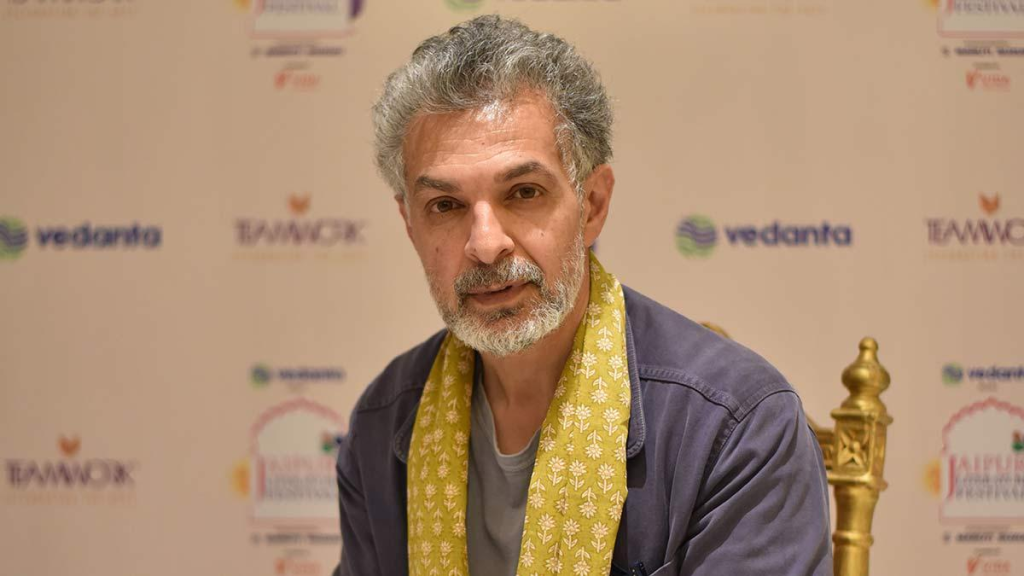
Mohseni argued that the situation of women in Afghanistan’s major cities differs little from the republican era, stating that women can move around without covering their faces and, in some cases, drive vehicles. He also claimed that many Taliban leaders send their daughters to school.
While such remarks may be intended to present a less confrontational picture of contemporary Afghanistan, they have raised concerns among critics who argue that emphasizing visible aspects of daily life risks normalizing broader restrictions on women’s rights.
The debate centers on whether the ability to appear in public spaces can be considered evidence of normality when significant barriers remain in access to education, employment, mobility, and public participation. Critics note that millions of Afghan girls remain excluded from secondary and higher education, while many women face limitations in professional and social life.
Observers argue that Afghanistan’s reality is more complex than either entirely bleak or entirely normal portrayals suggest. Women continue to participate in some sectors of society, and certain economic and social activities remain accessible. However, they contend that acknowledging these realities should not obscure wider structural restrictions.
Mohseni’s assertion that many Taliban leaders educate their daughters has also prompted questions about unequal access to education. Critics argue that if educational opportunities are available to politically connected families while inaccessible to much of the population, the issue highlights inequality rather than normality.
The discussion has drawn additional attention because of Mohseni’s longstanding public association with media freedom, women’s rights, and democratic values during the former republic. Some commentators have questioned whether his recent remarks reflect a pragmatic assessment of current conditions or an adaptation to Afghanistan’s changed political landscape.
The broader debate ultimately concerns the role of media figures and public influencers in describing life under restrictive conditions. Critics warn that when exceptional limitations become routinely portrayed as normal, societies may gradually lose sensitivity to the erosion of fundamental rights.
By Sayed Baqer Waezi | DID News Agency