EU Sets 3 Conditions for Taliban Recognition, Envoy Says
DID Press: European Union Special Envoy for Afghanistan Gilles Bertrand has said that any potential talks with the Taliban in Europe do not indicate a shift in EU policy or movement toward formal recognition of the group.
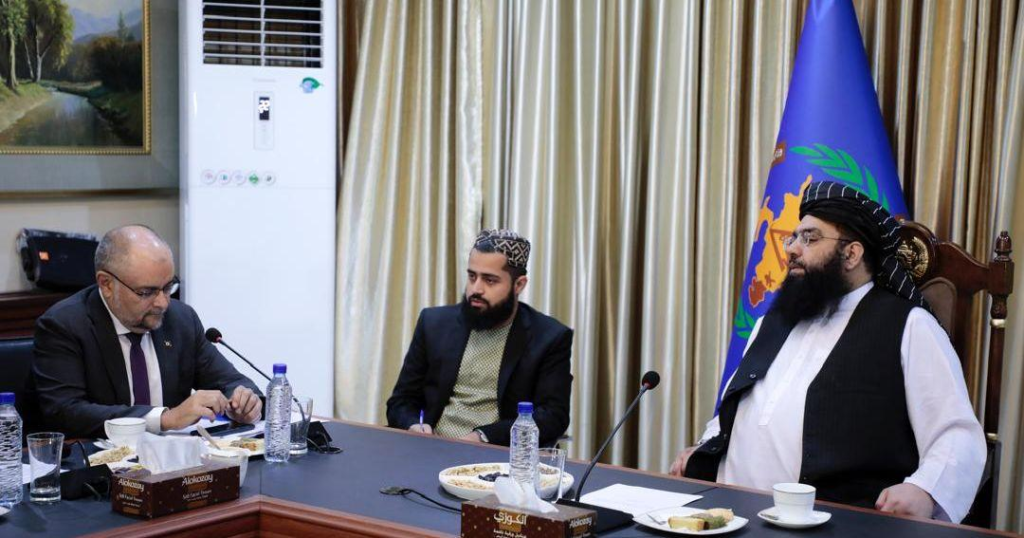
Bertrand stressed in an interview that such meetings are strictly technical in nature and do not change the EU’s long-standing position of non-recognition of the Taliban government.
He added that the EU has followed a “principled engagement” approach since the Taliban’s return to power, combining limited dialogue with continued political non-recognition.
Three conditions for recognition
The EU envoy reiterated three key benchmarks required for any future consideration of recognition:
- Preventing Afghanistan from becoming a safe haven for terrorism
- Respect for international obligations, especially human rights and women’s rights
- Formation of an inclusive political system
He emphasized that these conditions are consistently raised in all discussions with Taliban representatives.
Limited progress, continued concerns
Bertrand noted some progress in counterterrorism efforts against ISIS-K, but said there has been no meaningful improvement in human rights or political inclusivity.
He described the human rights situation in Afghanistan as “very serious,” highlighting that Afghanistan remains the only country where girls are barred from education beyond primary school.
Women’s rights and governance
The envoy warned that restrictions on women not only violate fundamental rights but also undermine Afghanistan’s long-term economic stability.
He also said the current Taliban administration does not reflect the country’s ethnic and political diversity.
“The ball is in the Taliban’s court”
Bertrand said the pathway toward normalization exists, but the responsibility for progress lies entirely with the Taliban leadership.
He warned that failure to implement tangible reforms could lead to reduced international assistance and deeper economic deterioration.