Muttaqi Calls for Regional, Locally Driven Strategic Roadmap
DID Press: Amir Khan Muttaqi has called for the development of a region-centered strategic roadmap based on local narratives, emphasizing stronger academic cooperation and deeper regional connectivity.
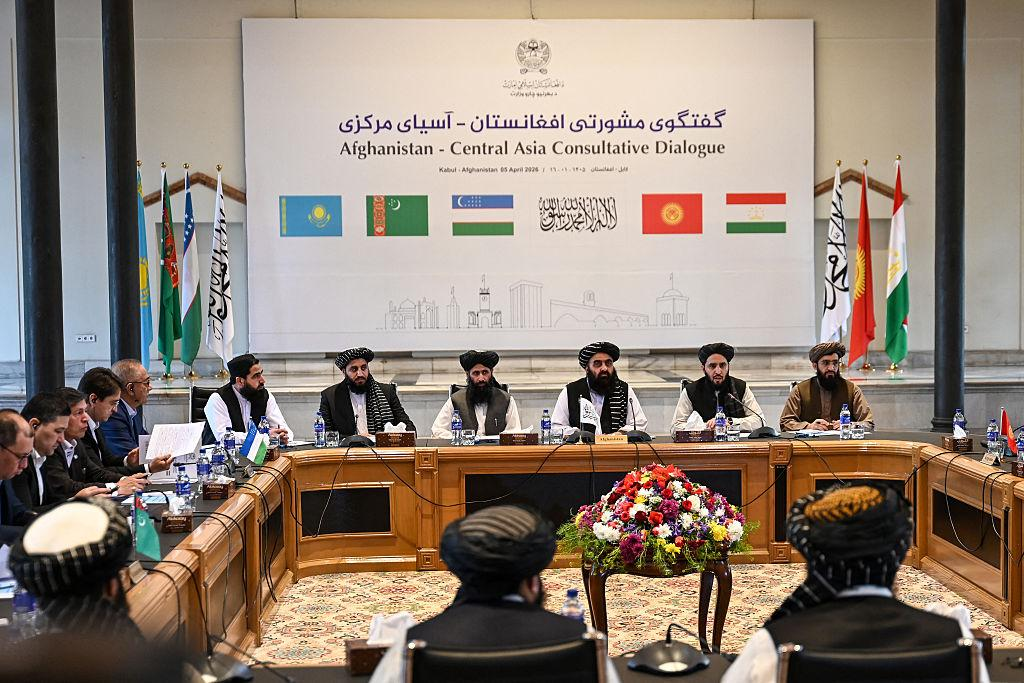
Speaking at a meeting in Kabul attended by heads of strategic research centers from Afghanistan, Central Asian countries, and Azerbaijan, Muttaqi highlighted the need to translate political understandings into practical frameworks through scientific and policy-oriented collaboration.
The conference, organized by the Strategic Studies Center of the Taliban’s Ministry of Foreign Affairs, brought together representatives of think tanks linked to the presidential offices of Uzbekistan, Turkmenistan, Kazakhstan, Kyrgyzstan, Tajikistan, and Azerbaijan.
Muttaqi said the global order is currently at a sensitive stage due to ongoing geopolitical shifts and challenges, adding that Afghanistan’s relations with Central Asian states have strengthened through a more pragmatic and cooperation-based approach.
He described scientific and research cooperation as the most stable, cost-effective, and impactful form of diplomacy between nations, calling for structured academic dialogue across the region.
The foreign minister also stressed the importance of developing joint research roadmaps, exchanging scientific data, and building a “regional indigenous narrative” so that countries can define their own opportunities and challenges.
Muttaqi further emphasized shared regional issues such as climate change, water scarcity, and air pollution, saying these require coordinated scientific solutions.
Referring to regional infrastructure projects such as CASA-1000, TAPI, TAP, the Lapis Lazuli Corridor, and the Afghan-Trans railway line, he urged stronger research support for these initiatives, saying they could turn Afghanistan into a key bridge between Central and South Asia.
He also called for a structured research-based mechanism to monitor political agreements and strengthen intellectual cooperation among regional think tanks, describing it as essential for long-term stability.
Muttaqi expressed hope that the meeting would mark the beginning of a new phase of scientific and intellectual cooperation and foster shared knowledge production and mutual understanding across the region.