DID Press: The funeral ceremonies for the Martyred Leader of the Islamic Revolution, Ayatollah Seyyed Ali Khamenei, have emerged as more than a national event, reflecting what supporters describe as a transnational political and geopolitical phenomenon shaped by shared history, culture, and religious identity.
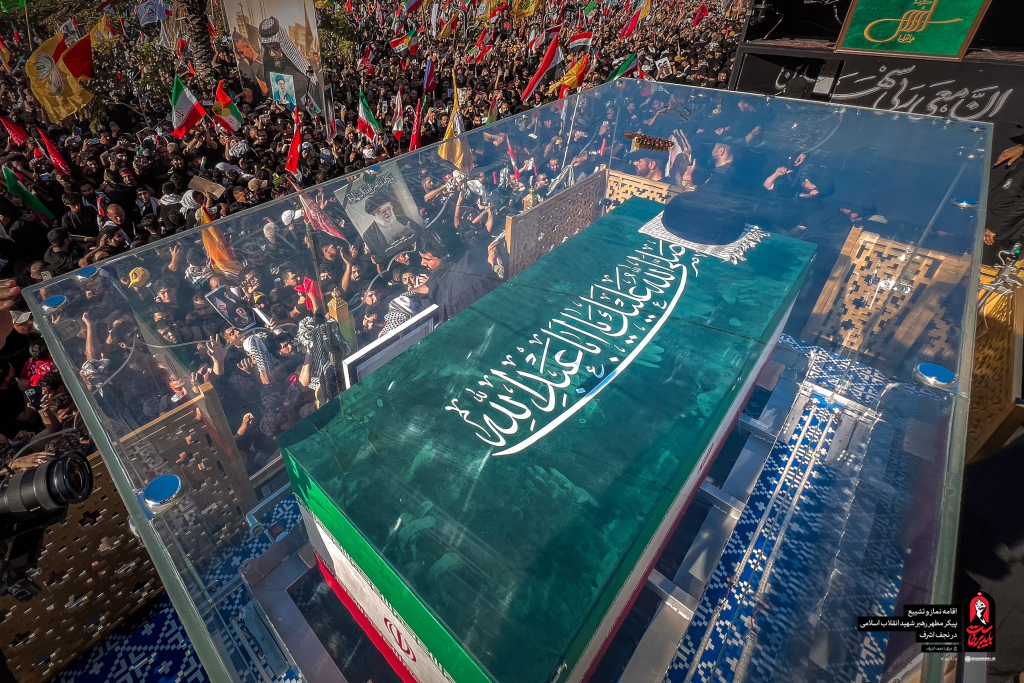
The unprecedented funeral procession in Iran, attended by millions of mourners and senior delegations from more than 100 countries, was followed by preparations for commemorative ceremonies in the Iraqi holy cities of Karbala and Najaf. According to the analysis, the scale of participation demonstrated the enduring regional influence of the late leader and highlighted the broader significance of the event beyond Iran’s borders.
The article argues that the mass public turnout in Tehran challenged narratives portraying the Islamic Republic as politically isolated, presenting the ceremonies as evidence of continued popular support and institutional resilience. It also describes the events in Iraq as recognition of decades of Iranian support for regional resistance movements and efforts against extremist groups.
The participation of official delegations from Asia, Africa, Latin America, and the Middle East is presented as evidence of expanding multilateral engagement with Iran and a weakening of efforts to diplomatically isolate the country. The analysis contends that the international presence underscored Tehran’s growing diplomatic relevance despite years of sanctions and political pressure.
The commentary further argues that the late leader’s steadfast opposition to the United States and Israel strengthened his standing among supporters across the region, particularly in Afghanistan, where many viewed his support for the Palestinian cause and the so-called Axis of Resistance as a symbol of defiance against foreign intervention.
According to the article, the funeral ceremonies in Iran and Iraq represent not only a tribute to an individual leader but also a broader demonstration of political continuity, popular mobilization, and the enduring influence of the ideological and strategic legacy associated with the Martyred Leader of the Islamic Revolution.
#We_Must_Rise
By Sayed Baqer Waezi | DID News Agency