DID Press: FIFA’s controversial decision to suspend the ban on US national team forward Folarin Balogun has triggered criticism in Europe, with lawmakers and football officials questioning whether political influence is affecting the independence of global football governance.
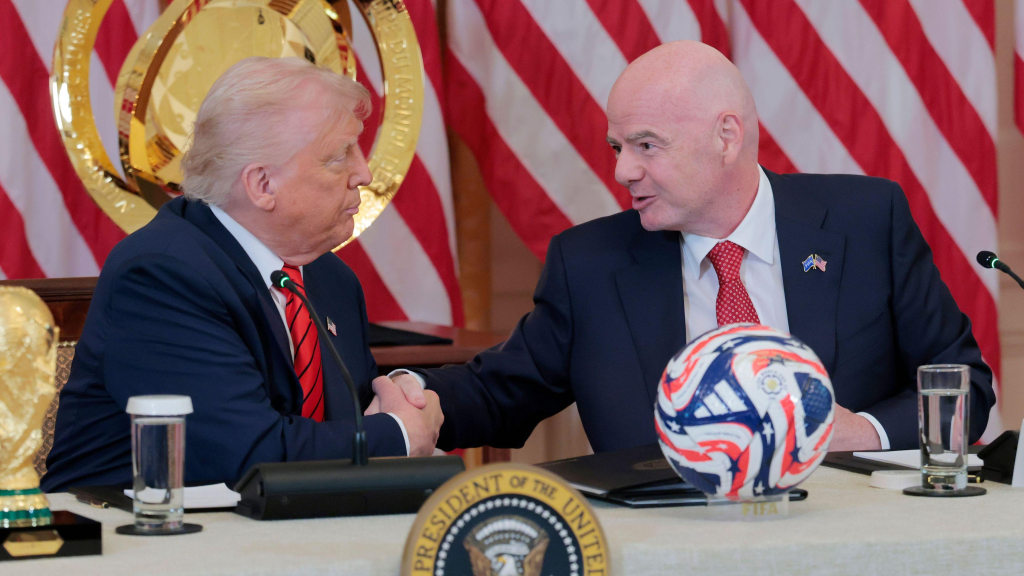
More than 70 members of the European Parliament have sent letters to football associations across EU member states, calling for an urgent review of FIFA’s decision-making process in the Balogun case.
Balogun received a direct red card during the United States’ match against Bosnia in the round of 32 and was expected to miss the following match against Belgium. However, FIFA’s disciplinary committee suspended his ban, allowing him to play in the United States’ 4–1 defeat to Belgium.
Belgium appealed the decision before the match, but FIFA rejected the complaint. Meanwhile, Donald Trump confirmed that he personally discussed the case with Gianni Infantino, calling Balogun’s red card a “great injustice.”
The decision has intensified debate in Europe over FIFA’s political neutrality. Critics argue that selective disciplinary decisions could undermine trust in football institutions, especially after France’s appeal over Michael Olise’s yellow card was rejected.
Didier Deschamps also confirmed that France’s appeal was unsuccessful, increasing criticism over what some observers describe as inconsistent treatment.
UEFA Vice-President Laura McAllister warned that political interference in sporting decisions could create a serious crisis for FIFA and damage the independence of international football.
Critics argue that direct political involvement in disciplinary decisions risks weakening sporting fairness and raising questions about FIFA’s independence and credibility.