DID Press: The war in Gaza has evolved beyond a military confrontation into a defining geopolitical crisis, placing Jordan at the intersection of regional public opinion, the Palestinian cause, and the United States’ security architecture in the Middle East. The kingdom now faces mounting pressure to balance its strategic alliances with growing domestic demands over the conflict.
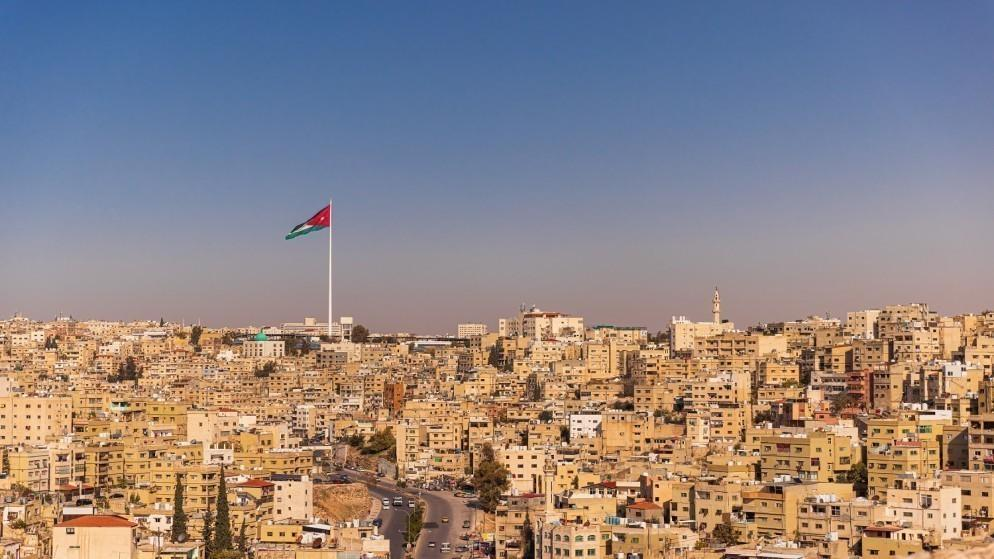
Jordan occupies a uniquely sensitive position in the region. A significant portion of its population is of Palestinian origin, while the country shares a border with the West Bank, maintains a long-standing peace treaty with Israel, and remains one of Washington’s closest security partners in the Arab world. These overlapping realities have intensified the challenge of reconciling state policy with public sentiment.
In recent months, large pro-Palestinian demonstrations, increased activity by Islamist movements, and growing public criticism of Israel’s military campaign have underscored the enduring political significance of the Palestinian issue within Jordan. Some regional analysts argue that these developments signal a new phase of political mobilization across the Arab world, with Palestine once again becoming the central rallying point.
The conflict has also intensified scrutiny of the United States across the region. Washington’s continued support for Israel has reinforced perceptions among many in the Arab and Islamic worlds that the United States is an active participant in the crisis rather than a neutral mediator. Analysts note that former U.S. National Security Adviser Zbigniew Brzezinski had previously warned that unconditional backing of Israel could erode America’s standing across the Muslim world and deepen divisions between the West and Islamic societies.
Many observers also view U.S. military bases in the Middle East as integral components of Washington’s regional security strategy. From this perspective, hosting such facilities carries not only military implications but also significant political and social consequences that can influence domestic public opinion within host countries.
Historical experience in the region suggests that widening gaps between government policies and public expectations have often contributed to political instability. While some analysts cite the collapse of externally backed governments, including the former Afghan republic, as evidence of this dynamic, they caution that each country’s political trajectory is shaped by its own unique circumstances.
With the Gaza conflict continuing, analysts believe Jordan’s political landscape may face increasing pressure. The country’s long-term stability is expected to depend largely on its ability to balance external strategic commitments with domestic political expectations.
Key Strategic Takeaways
- Public legitimacy remains the most durable foundation of political stability, and external alliances cannot permanently substitute for domestic support.
- Foreign military partnerships may provide short-term security benefits but can become sources of political tension if they diverge from public opinion.
- The Palestinian issue continues to serve as a defining element of political identity across the Arab and Islamic worlds, shaping both regional and domestic politics.
- Regional stability is more likely to be sustained through domestic legitimacy, political independence, and regional cooperation than through reliance on external powers.
Conclusion
The Gaza war has reaffirmed that the Palestinian issue remains at the center of Middle Eastern politics. Jordan’s geographic position, demographic composition, and strategic partnerships place it at the heart of these evolving dynamics. Although the country’s political future cannot be predicted with certainty, continued conflict, widening gaps between public opinion and official policy, and intensifying geopolitical competition are likely to increase both domestic and regional pressures.
By Abdul Raouf Tawana | DID News Agency