Taliban Review Hazara-Owned Townships Amid Fears of Property Seizures
DID Press: A Taliban commission tasked with recovering allegedly usurped land has begun reviewing residential townships belonging to Hazara and Shia communities, according to sources at the Taliban’s Ministry of Justice, raising concerns over possible large-scale property seizures in several Afghan provinces.
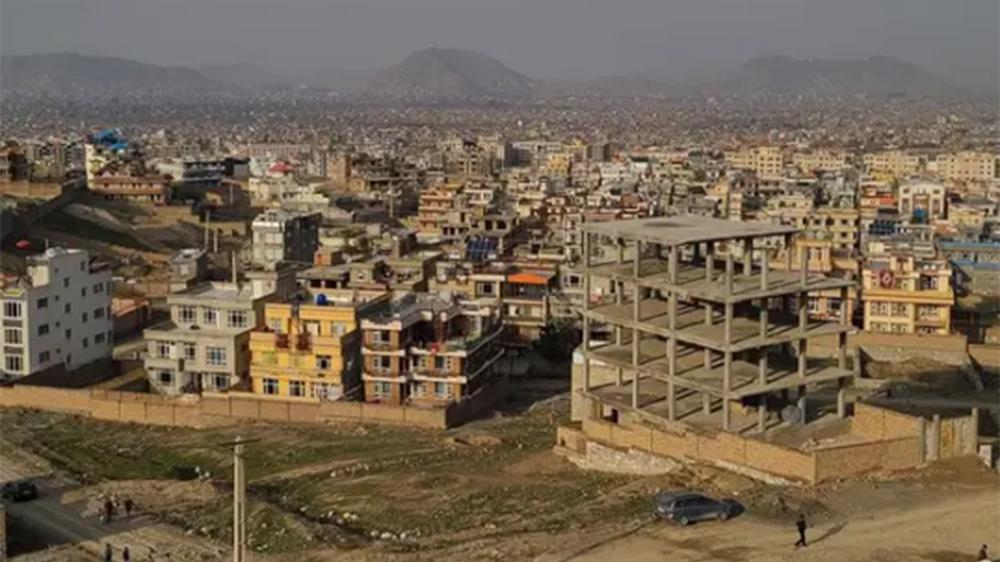
The sources said the commission has placed Hazara- and Shia-owned townships on its agenda after recently declaring Omid Sabz Township in western Kabul to be state-owned and ordering residents to leave.Residents of Omid Sabz have submitted complaints to Taliban Interior Minister Sirajuddin Haqqani, Foreign Minister Amir Khan Muttaqi, Defense Minister Mohammad Yaqoob Mujahid, intelligence chief Abdul Haq Wasiq and Taliban intelligence deputy Tajmir Jawad.
The forced relocation order has not been revoked.Residents have said they also plan to raise their complaints directly with Taliban supreme leader Hibatullah Akhundzada. The Taliban leader has not publicly met representatives of Afghanistan’s Hazara and Shia communities since returning to power and has largely remained out of public view.
The sources said the Taliban commission also plans to review Jebrael Township in Herat as well as extensive properties in Kabul, Mazar-i-Sharif, Bamiyan, Ghazni and several other cities. Details of the plan remain unclear, but concerns over wider land seizures have grown.
The Taliban had previously given Omid Sabz residents until Thursday, July 6, to vacate their homes. According to a notice obtained by the media, residents were also barred from renting out their homes or collecting rent from tenants from Sunday, July 2.In early April, a Taliban special court declared more than 1,500 jeribs of land in the township state-owned.
The Taliban Ministry of Justice said its Central Zone Special Court for Cases of Usurped State Land had determined, after reviewing documents, that 1,507.49 jeribs of land belonged to the state.The Taliban’s designation of Omid Sabz as state-owned and its eviction order, without a transparent process, have raised serious concerns over private property rights, access to justice and protection against forced displacement.
Legal experts say any expropriation should be based on law and include an impartial review, the right to challenge the decision, access to legal counsel and an avenue for appeal. Residents of Omid Sabz say they have not been provided with an effective means of challenging the decision or a clear process for reviewing their property documents.They also warn that eviction deadlines, restrictions on renting properties and the seizure of thousands of jeribs of land without clear legal grounds could amount to arbitrary deprivation of property.
Experts say that if such measures are selectively applied to Hazara communities, the process could raise concerns over discriminatory or targeted forced displacement.