Iran-Afghanistan Agricultural Cooperation: Opportunities and Challenges
DID Press: When we review Afghanistan’s official economic figures and statistics, one figure stands out above all: the 35 percent share of agriculture and livestock in Afghanistan’s gross domestic product. For the people of our country, this figure is not merely a statistical report; it represents the real pulse of life, livelihoods and the fate of millions of families who work on this land.
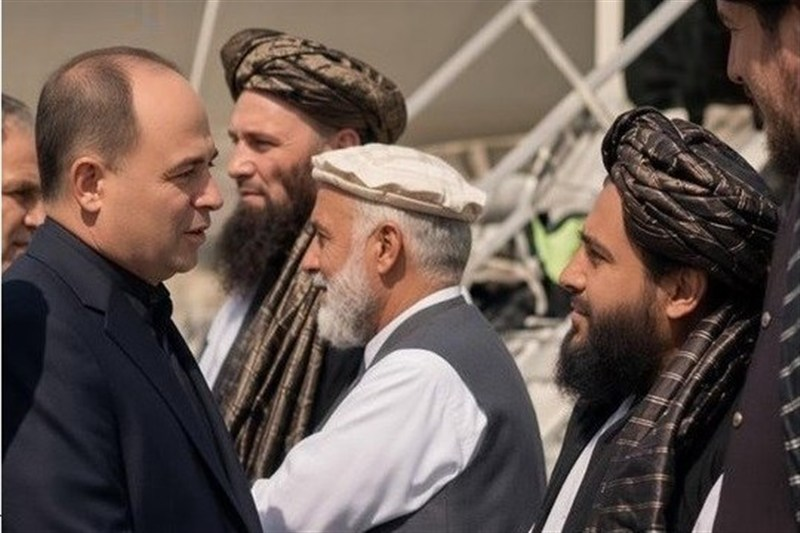
On the other hand, the visit of Iran’s Minister of Agriculture, Gholamreza Nouri Ghazaljeh, to Kabul and the prominent participation of 52 Iranian companies in the first Kabul International Agriculture and Livestock Exhibition show that our western neighbor also clearly understands the importance and weight of this sector in the future of Afghanistan’s economy. But what implications does this economic link and Afghanistan’s heavy reliance on agriculture have for Iran’s economy, and how can it be turned into a win-win partnership?
The reality is that Afghanistan’s agricultural land, despite all its potential and productivity, still suffers from a lack of modern facilities, mechanized equipment and up-to-date knowledge. A large number of our hardworking farmers continue to rely on traditional methods of production, which leads to lower productivity and significant crop losses. It is precisely here that a major opportunity emerges for Iranian companies and specialists.
In recent years, Iran has made progress in areas such as pressurized irrigation systems, the construction of industrial greenhouses, the production of high-quality seeds and fertilizers, and agricultural machinery. The active presence of Iranian companies in Kabul could help fill this major gap in the Afghan market while providing a growing and sustainable market for Iran’s technical and engineering services, allowing its products and services to be offered in a nearby and familiar environment.
Another vital opportunity is the issue of cross-border cultivation and livestock trade. Iran has been grappling with an unprecedented water shortage for years, while many provinces of Afghanistan have suitable farmland and relatively adequate water resources. Through joint investment, Iranian investors and specialists could lease land in Afghanistan to produce high-demand and water-intensive crops and transfer them to Iran.
This model of cooperation could create employment, financial activity and income for Afghan farmers, while helping Iran strengthen its food security without placing additional pressure on its limited water resources and groundwater reserves. At the same time, Afghanistan’s significant livestock potential could provide a stable and nearby source of meat, wool and livestock inputs for Iran, reducing production costs for related industries and helping better meet the needs of consumers in both countries.
In addition, establishing joint processing and packaging industries in the border provinces could bring about significant change. Afghan agricultural products are often exported as raw materials at low prices or lost because of the lack of processing industries. The entry of Iranian investment and technology into this sector, however, could create substantial added value for joint exports to regional markets.
But the challenges, sensitivities and concerns involved should not be overlooked. For Afghans, the development of agriculture is inevitably linked to the management of water resources. If agricultural development in Afghanistan proceeds without technical cooperation and continues to rely on traditional, water-intensive methods, it could place pressure on shared river basins such as the Helmand and Hari Rud and complicate water challenges for Iran’s eastern provinces.
Therefore, Iran’s involvement through modern irrigation technologies could help prevent excessive water consumption and avert regional environmental tensions. On the other hand, if Iranian traders and producers are unable to compete with strong rivals such as China, Turkey and Pakistan in terms of quality and price, the Afghan market could quickly shift toward imported goods from other countries in the region. The challenges arising from the absence of a standard banking system and regulatory instability should also not be overlooked.
Ultimately, the people of Afghanistan regard the agricultural sector as the main artery of the country’s economic life, and Iran’s entry into this field could become a point of genuine transformation. If Iran moves beyond the role of a simple exporter of goods and stands alongside Afghan farmers as a technological and strategic partner, this partnership could not only accelerate Afghanistan’s economy but also help secure Iran’s long-term food security and economic interests in a safer and more stable region.
By Sayed Baqer Waezi – DID News Agency