EU: Recognition of Taliban Government Tied to Inclusive Governance and Rights
DID Press: The European Union said that five years after the Taliban returned to power, it continues to support the people of Afghanistan, allocating more than €2 billion over the past five years for humanitarian assistance, basic needs and support for livelihoods.
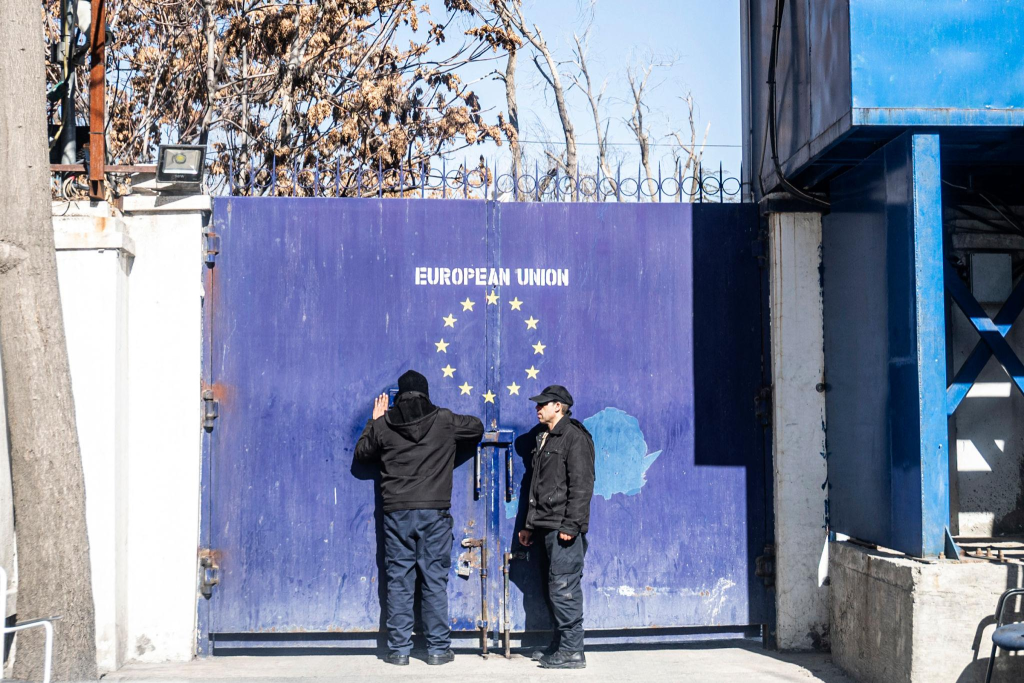
In a statement, the EU said Afghanistan is facing widespread economic and humanitarian crises, climate change, water shortages and severe human rights restrictions, with about half of the country’s population in need of humanitarian assistance. The return of millions of migrants from neighboring countries has added to the existing challenges.
According to the statement, EU assistance has been used for food, healthcare, education, protection, shelter and other essential services. Supporting women’s economic empowerment, small businesses, microfinance, climate resilience, civil society and Afghan media has also been among the key areas of the assistance.
The EU stressed that its aid is delivered through non-governmental organizations, United Nations agencies, the Red Cross and Red Crescent, and the World Bank Group. It said no EU funding is provided through the Taliban authorities or allocated for their benefit.
The bloc also said it does not recognize the Taliban as the government of Afghanistan and that operational engagement with the group does not constitute legitimization or recognition.
The statement said any move toward recognition of the Taliban would depend on tangible progress in respecting human rights, preventing Afghan territory from being used by terrorist groups, and establishing an inclusive government representing all segments of society.
The EU also expressed concern over continued restrictions on Afghan women and girls, saying: “No country can build a prosperous future while depriving half of its population of the right to education, work and participation in society.”
The EU added that it maintains a diplomatic presence in Kabul at the level of chargé d’affaires and engages operationally with Taliban officials on issues including humanitarian access, the rights of women and girls, migrant returns, counterterrorism, security and regional stability.
The bloc also said it supports the UN-led Doha process and played a role in 2025 in establishing an independent investigative mechanism under the UN Human Rights Council to document serious human rights violations in Afghanistan.
The European Union concluded that building a stable, peaceful and prosperous Afghanistan is important not only for the Afghan people but also for Europe’s security and strategic interests and for regional stability.