Taliban Leaders Hail “Strong Islamic System” and Nationwide Security on Independence Day
DID Press: Senior Taliban officials marked Afghanistan’s 107th Independence Day by portraying the group’s government as a strong Islamic system capable of maintaining nationwide security, while calling for national unity and an end to armed opposition.
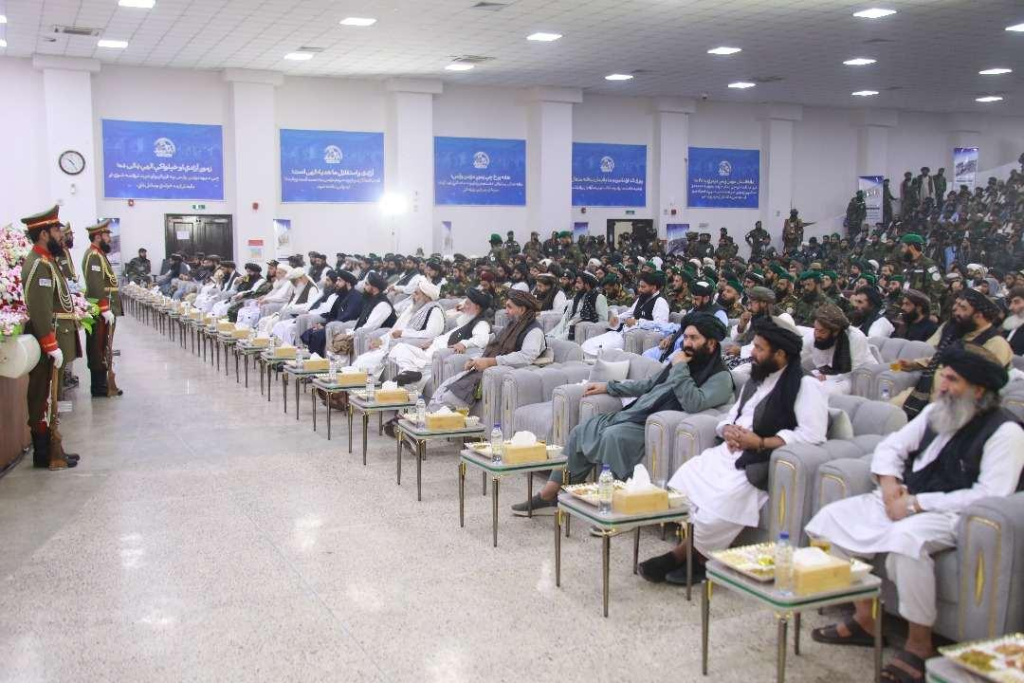
Taliban Interior Minister Sirajuddin Haqqani said independence has a broader meaning and can only be achieved through nationwide security, economic growth, social justice and lasting stability. He urged opponents to abandon fighting and contribute to the country’s reconstruction, saying attacks on civilians at the instigation of foreign powers serve neither Afghan identity nor Islam.
Foreign Minister Amir Khan Muttaqi described the security of Afghanistan and neighboring countries as interconnected. He warned that some groups were seeking to create instability and mistrust in the region, while claiming that countries engaging positively with the Taliban had benefited from doing so.
Abdul Salam Hanafi, the Taliban’s administrative deputy prime minister, praised the country’s security and defense forces, saying they were prepared to defend the “Islamic system” under any circumstances. He also accused foreign intelligence agencies of attempting to influence public opinion and called for national unity and solidarity.
Fasihuddin Fetrat, the Taliban army chief of staff, told opponents abroad that the group’s government was powerful and could withstand any conspiracy. He said the Taliban’s “doors are open” to Afghans wishing to return, while warning that hostile actions would face a strong response.
Shahabuddin Delawar, head of the Taliban-run Afghan Red Crescent, described independence as a major responsibility and said Afghanistan’s freedom had been achieved through heavy sacrifices. He attributed the defeat of foreign forces to what he called the people’s jihad and unity.
The statements reflect the Taliban’s effort to frame Independence Day not only as a historical commemoration but also as an opportunity to reinforce its claims of political legitimacy, internal cohesion and regional influence.