Fresh Taliban Moves: From New Police Law to Intelligence Outreach
DID Press: Pakistani analyst Fida Adil says a series of recent developments in Afghanistan, including the Taliban’s new police law and intelligence meetings with tribal elders and former security personnel, point to growing internal concerns as the group marks five years in power.
Adil began his analysis by discussing recent developments in Badakhshan, saying that despite the end of the latest tensions and the surrender of Jumakhan Fateh, reports emerging from the province remain a source of concern for the Taliban authorities.
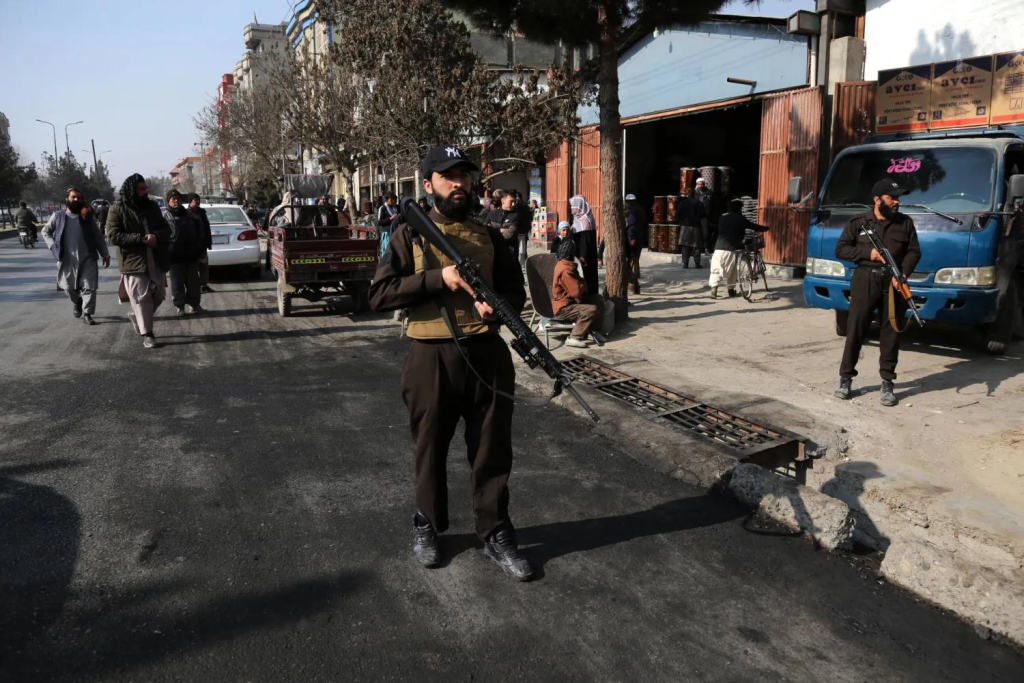
A major focus of the analysis was the Taliban’s newly approved police law, which was published in the official gazette following approval by Taliban supreme leader Hibatullah Akhundzada. The law contains a preamble, two chapters and 53 articles and sets out police responsibilities including maintaining security, protecting borders, combating drug trafficking and human trafficking, and controlling public gatherings.
The law also outlines measures for dealing with protests, including the use of water cannons, dye, electrical equipment, batons and shields, and, in certain circumstances, firearms.
Adil also discussed recent meetings reportedly held by the Taliban’s intelligence apparatus in Kunar with former government officials, former military commanders, religious scholars and tribal elders. The meetings were reportedly aimed at gathering public views on the Taliban’s performance over the past five years and conveying recommendations to the group’s leadership in Kandahar.
According to the analysis, participants discussed issues including the reopening of girls’ schools, the reintegration of former security personnel into government structures and the removal of certain religious restrictions. The meetings also reportedly emphasized that armed opposition to the Taliban lacked religious justification.
Adil linked these developments to a recent warning by Sami Sadat, a former Afghan army commander, who reportedly warned former security personnel that continued cooperation with the Taliban could make them targets of his group.
The Pakistani analyst concluded that the combination of the new police law and intelligence outreach to tribal and community leaders could indicate an effort by the Taliban authorities to contain growing dissatisfaction and prevent the expansion of opposition activities.