Taliban’s Shia Policy Faces Growing Questions Over Rights and Inclusion
DID Press: A recent meeting in Kabul between representatives, religious scholars and influential figures from Afghanistan’s Shia community, along with the Taliban representative’s remarks at the gathering, has highlighted what appears to be a broader approach by the authorities toward Shia political and religious demands.
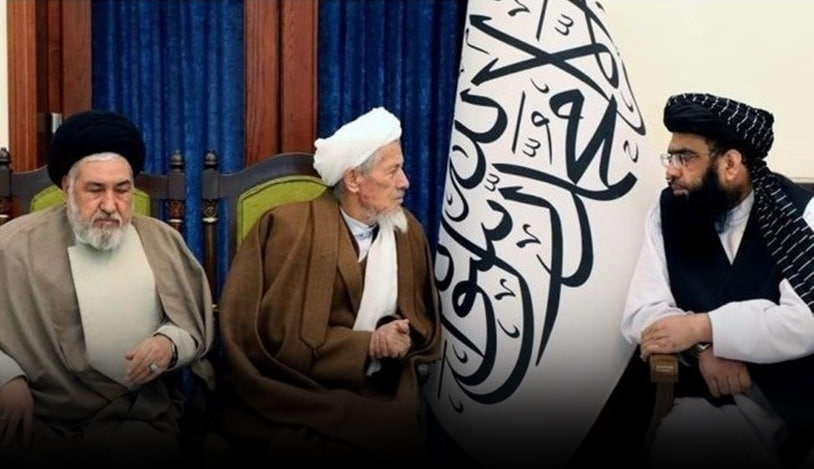
After months of silence and correspondence, Shia scholars called for participation in the political structure, recognition of Ja’fari jurisprudence and an end to discriminatory practices. The response from the Taliban representative was brief but significant: “Your remarks smell of the republic.”
The statement appears to reflect a broader ideological approach toward demands for political participation, civil rights and religious recognition.
To understand the Taliban’s approach toward Afghanistan’s Shia community, it is necessary to examine the group’s view of political legitimacy. From the perspective of the current authorities, legitimacy does not derive from elections, public consent or the participation of different ethnic and religious communities.
The Taliban have repeatedly described their current system as the product of 20 years of jihad against the United States and NATO. When political legitimacy is defined primarily through a military struggle, demands for inclusivity, equal citizenship and political participation can be viewed within this framework not as legitimate rights, but as ideological deviations associated with the former republican system.
Labeling religious demands as carrying the “smell of the republic” can therefore serve as a mechanism for securitizing political discourse and avoiding substantive responses to those demands.
The Taliban’s approach toward Shia demands also appears to extend beyond an isolated or temporary dispute. It has been accompanied by broader changes in the legal and educational spheres, including restrictions affecting Ja’fari jurisprudence, the collection of some religious books and changes concerning the recognition of Shia personal-status matters.
These developments have raised concerns among members of the Shia community that their religious identity and rights are being accommodated only within limits defined by the authorities, rather than on the basis of equal citizenship.
When a Taliban representative responds to allegations of discrimination by saying that the law applies equally to everyone, critics argue that this can amount in practice to the unilateral application of a legal framework based primarily on the authorities’ own interpretation of Islamic jurisprudence—an approach that leaves limited room for Afghanistan’s religious pluralism.
Another important issue highlighted by the Kabul meeting was the apparent deadlock facing a more cautious strategy of engagement adopted by some Shia figures.
Over the past three years, traditional Shia scholars have largely sought to pursue their demands through dialogue, avoid confrontation and maintain a peaceful approach in the hope that the Taliban would recognize their religious rights. However, remarks suggesting that publicizing their demands would not produce results, together with the absence of some senior officials who had been invited to the meeting, indicated to critics that the authorities attach limited importance to this form of engagement.
The Taliban have also sought to manage dissatisfaction within the Shia community through what critics describe as parallel institution-building. The establishment of bodies such as the “High Council of Shias” under the supervision of Kabul’s security institutions, alongside the promotion of figures supportive of the authorities, has been interpreted by critics as an attempt to create divisions within the community and provide a formal appearance of consent.
When individuals publicly praise the current situation during meetings with Taliban officials, critics argue that the authorities can use such statements as evidence of broader Shia satisfaction while marginalizing the voices of independent or dissenting religious scholars.
Ultimately, the current structural impasse and the Taliban’s continued refusal to fully address the demands of the Shia community could, while appearing manageable through security measures in the short term, create a deeper social fault line in the long term.
Ignoring a significant segment of Afghan society and dismissing its demands by labeling them political does not necessarily strengthen the foundations of governance. Instead, it could deepen national mistrust.
Recognition of the rights of religious communities and genuine political inclusivity, the article argues, should not be viewed as the “smell of the republic,” but as a fundamental condition for the long-term stability of any government in Afghanistan.
By Sayed Baqer Waezi — DID News Agency