Mohaqiq Urges Hazaras and Shiites to Unite Against Taliban Discrimination
DID Press: The Islamic Unity Party of the People of Afghanistan has condemned what it described as increasing pressure by the Taliban on the country’s Hazara and Shiite communities, accusing the group of restricting religious activities, targeting religious and educational institutions, seizing property and shutting media outlets associated with the Shiite community.
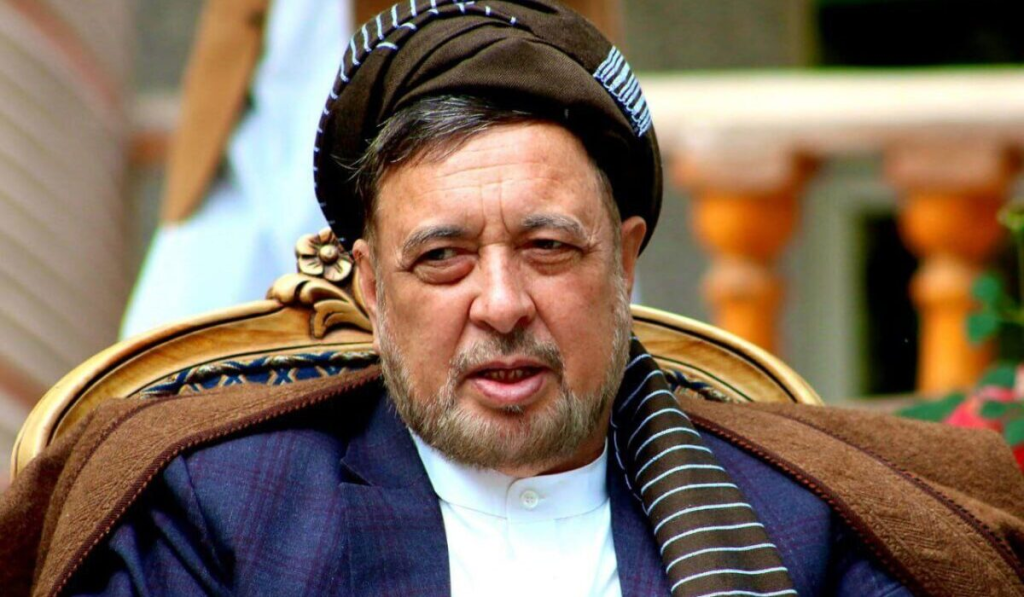
In a statement issued on Sunday, September 6, the party said the Taliban had imposed political and religious restrictions that it described as violations of the rights of Hazaras and Shiites.
The party said several Shiite families in Nowabad Township in Ghazni and Omid Sabz Township in Kabul face the threat of losing their properties. It also criticized the designation of parts of Jebrail Township in Herat as belonging to the Taliban-led administration, saying the measures have affected residents and businesses.
The statement further condemned restrictions on Shiite religious ceremonies, pressure on Shiite clerics, and the takeover of the Khatam al-Nabieen religious and educational complex in Kabul. It also alleged that a number of teachers and students were detained. Recent reports have separately documented Taliban action against the Khatam al-Nabieen complex and the detention of people associated with it.
The party also said the public-relations office representing Hazara and Shiite elders in Sarkariz, Kabul, had been closed and alleged that several individuals, including Sayed Mohammad Hossein Sufi Gardizi, Sayed Hassan Sharifi Balkhabi and Mohammad Hossein Sangardost, had been detained. These detention claims should be treated as allegations unless independently confirmed.
The party described the measures as evidence of what it called the Taliban’s political weakness rather than strength. It also condemned the closure of Rah-e Farda and Tamadon TV, describing the moves as part of broader pressure on Hazara and Shiite communities. Amu TV reported that Mohammad Mohaqiq, the party’s leader, similarly characterized the closure of the two broadcasters as part of pressure on Hazaras and Shiites.
The party called on Hazaras and Shiites to maintain unity and pursue legal and peaceful means to defend their rights. Taliban authorities have previously cited issues including alleged illegal land ownership and political affiliations when taking action against some institutions, claims disputed by the affected organizations.