UN Rights Chief: Situation for Afghans Is Getting Worse
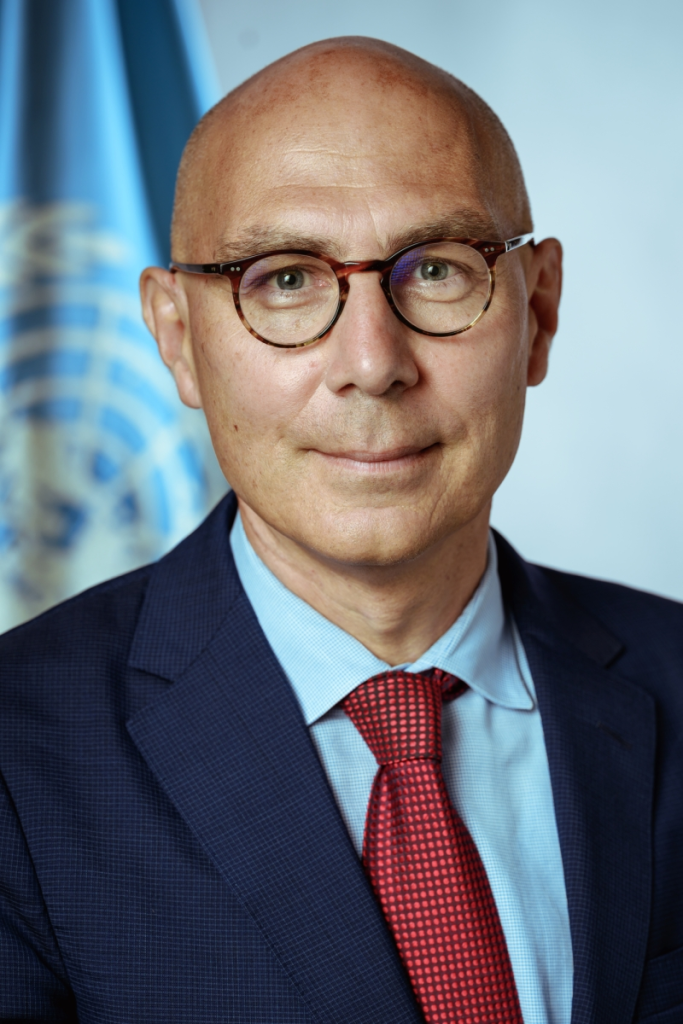
DID Press: Volker Türk, the United Nations High Commissioner for Human Rights, has warned that the situation for people in Afghanistan is deteriorating and accused the international community of remaining silent in the face of the crisis.
Türk said the Taliban’s extensive restrictions on education, employment, freedom of movement and the participation of women and men in public life continue. According to the United Nations, at least 449 women and men in Afghanistan were subjected to corporal punishment during the first half of this year.
“Today, the situation of many people in Afghanistan is going from bad to worse,” Türk said.
The UN human rights chief also expressed concern over the exclusion of more than 2 million Afghan girls and women from secondary and higher education since 2021, further restrictions on women’s rights, the suppression of the media and violations of the rights of religious minorities. He has described the restrictions imposed on Afghan women and girls as “gender apartheid.” The UN has continued to describe Afghanistan as the only country where women and girls face such sweeping restrictions on education, work, movement and public participation.
At the same time, the forced return of Afghans from neighboring countries continues. According to UNHCR figures cited in the report, more than 400,000 Afghans have been forcibly returned to Afghanistan, mostly from Iran and Pakistan.
Referring to the 21.9 million people in Afghanistan in need of humanitarian assistance, Türk called on countries to reconsider their actions and prioritize the lives of people suffering in the country.
The United Nations has also warned against involuntary returns to Afghanistan without individualized risk assessments, citing serious human-rights risks for certain groups, including women and girls, former government personnel, media workers and civil-society members.