Why Explaining Sayed Hassan Nasrallah’s Legacy Matters to Afghan Society
DID Press: The anniversary of the martyrdom of Sayed Hassan Nasrallah, the martyred Secretary-General of Hezbollah Lebanon, is an important opportunity to examine the model of Islamic resistance and revisit the aspects of his steadfastness against the hegemonic projects of the U.S. and the Zionist regime. Among various regional communities, the people of Afghanistan, due to decades of war, foreign occupation, and struggle against the interventionism of Western powers, have a deep and tangible understanding of the concept of resistance. However, correctly explaining the actions of Sayyid Hassan Nasrallah and the role of Hezbollah in defending Lebanese land and the cause of Palestine for Afghan society requires adopting media and analytical strategies suited to the cultural, political, and historical ecosystem of this country.
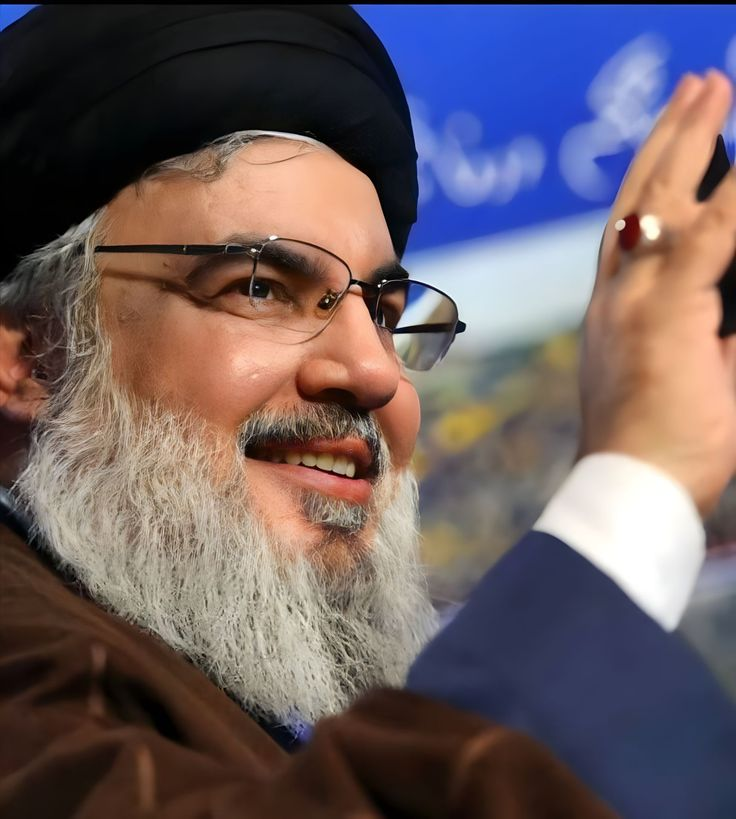
The first strategy to explain is to move beyond religiosity and sectarianism and emphasize the focus on ‘anti-colonial resistance.’ The enemies of the resistance front have always tried to reduce Hezbollah’s role in Lebanon to a merely sectarian movement in order to lessen its ideological influence among the Sunni world and pluralistic societies like Afghanistan.
For the people of Afghanistan, both Sunni and Shia, it must be made clear that Sayed Hassan Nasrallah regarded the Palestinian issue not as a limited religious matter, but as the primary issue of the Islamic world and humanity. Hezbollah’s defense of the people of Gaza and being on the front lines against the crimes of the Zionist regime was practical proof that standing up to aggressors knows no religious boundaries. Highlighting this inclusive approach strengthens the emotional and intellectual connection of Afghan society with the Palestinian cause.
The second approach is conceptualizing the fight against the project of Western fragmentation and insecurity. The people of Afghanistan have felt the consequences of Washington’s interventionist policies with all their being over two decades of American occupation. On the other hand, the actions of Sayed Hassan Nasrallah showed how a popular movement, relying on internal capabilities and strategic alliances, was able to prevent the disintegration of Lebanon and force the Israeli regime’s well-equipped army into retreat and defeat in 2000 and 2006. Properly recounting this experience to Afghanistan’s elites and public strengthens the belief that standing up to the expansionist ambitions of the U.S. and its regional allies is not a dream but a practical and tested model.
The third step is to explain the dimensions of social services and the popular governance model of Hezbollah. Sayed Hassan Nasrallah was not just a military leader; he was able to build a social-popular institution that, at the height of Lebanon’s economic and political crises, became a refuge and shelter for the deprived and displaced. Today’s Afghanistan, struggling with deep economic crises, structural poverty, and international isolation, needs to understand that genuine resistance is not possible without relying on the people and rebuilding social and welfare infrastructures. Explaining Hezbollah’s service structures alongside its military dimensions provides a comprehensive and inspiring picture of this movement to Afghan society.
Anyway, using media capacities, social networks, and elite discussions is the key tool to achieve this goal. Afghan society and its young generation are nowadays heavily influenced by the distorted narratives of Western media, which try to tarnish the image of resistance movements. Producing analytical content, reposting the clear and brave positions of the martyr Sayed Hassan Nasrallah regarding Afghanistan—including his constant sympathy for the Afghan people against terrorism and occupation—and creating platforms for dialogue among intellectual elites, even in Kabul and Beirut, can help lift the veil of ignorance and negative propaganda.
Overall, explaining the actions of the martyred Sayyid Hassan Nasrallah to the people of Afghanistan is not just repeating history; rather, it’s about passing on a ‘living doctrine’ for dignity, independence, and freedom from foreign domination. Connecting the shared experiences of the two nations in resisting aggression and arrogance could open up new avenues for solidarity within the Islamic community.
By Sayed Baqer Waezi – DID News Agency