ICC Unseals Arrest Warrants for Two Taliban Education Ministers
DID Press: International Criminal Court (ICC) has made public arrest warrants for Neda Mohammad Nadim, the Taliban’s minister of higher education, and Habibullah Agha, the group’s minister of education, accusing both of the alleged crime against humanity of persecution on gender grounds.
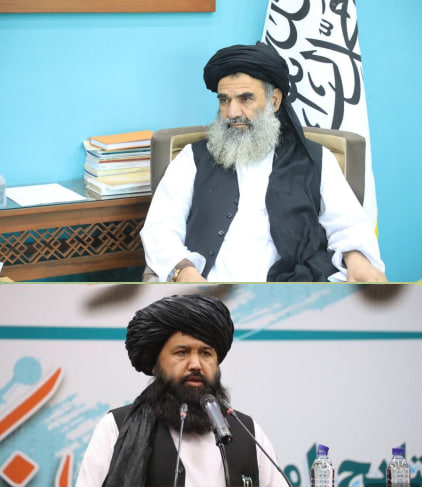
The ICC said on Monday, October 5, that it had unsealed four arrest warrants issued in 2025 against senior Taliban figures, including Nadim and Agha. The other two warrants concern Taliban Supreme Leader Hibatullah Akhundzada and Supreme Court chief Abdul Hakim Haqqani.
According to the published warrant for Nadim, ICC judges found reasonable grounds to believe that he ordered, induced or solicited acts of gender-based persecution against girls, women and others who did not conform to Taliban policies on gender. The warrant specifically concerns policies that deprived women of access to higher education.
In Agha’s case, the court similarly found reasonable grounds to believe that he was responsible for persecution on gender grounds. The alleged conduct includes the systematic deprivation of girls and women of fundamental rights, including access to education.
The ICC said the alleged persecution formed part of a broader Taliban government policy that resulted in severe violations of fundamental rights and freedoms. The warrants refer to conduct involving murder, imprisonment, torture, rape and enforced disappearance, in connection with the alleged persecution.
The court said the alleged crimes occurred in Afghanistan after the Taliban returned to power on August 15, 2021, and continued at least until January 20, 2025. The warrants were issued on September 9, 2025, but remained sealed until October 5, 2026.
The ICC said making the warrants public could facilitate international cooperation and help prevent further crimes. However, the court has no independent police force and relies on states to execute its arrest warrants.
The Taliban has rejected the ICC’s jurisdiction and decisions. Taliban spokesman Zabihullah Mujahid said Afghanistan does not recognize the court and that the group considers itself subject to Islamic Sharia and its courts.
Afghanistan has been a party to the Rome Statute since 2003, giving the ICC jurisdiction over crimes covered by the statute committed on Afghan territory, subject to the court’s jurisdictional framework.