DID Press: Lebanese analyst Mario Nawfal has described the departure of all 12 U.S. B-1 bombers from RAF Fairford air base in Britain as a sign of the vulnerability of the U.S. military posture in the face of Iran.
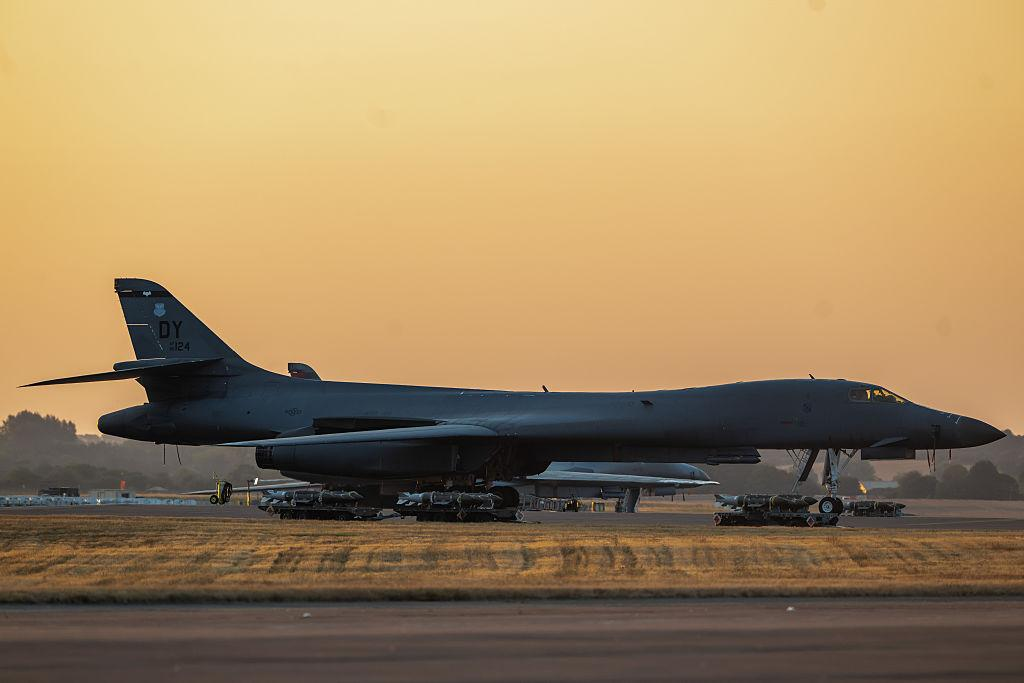
Nawfal said the bombers left Fairford following intelligence warnings about Iran’s possible involvement in an incident at the base, with some aircraft reportedly departing even before aerial refueling tankers were deployed to the area.
According to him, the significance of this development lies not only in the departure of the aircraft, but also in the impact that a threat to a forward base could have on the deployment of U.S. airpower. Due to its geographic location, Fairford reduced the flight distance for U.S. bombers heading toward the region, and the departure of the B-1s from the base, if sustained, could make future missions dependent on longer flights and greater reliance on aerial refueling.
Nawfal believes this situation would impose higher operational and security costs on Washington, as the United States would need to strengthen air-defense systems, counter-drone capabilities and security measures to protect its overseas bases.
He also warned that threats to bases hosting U.S. forces and military equipment could impose greater political and security costs on Washington’s allies and, in the long term, affect some countries’ willingness to host U.S. forces, provide overflight rights or offer military support.
In his analysis, Nawfal concluded that the United States still possesses extensive long-range strike capabilities, but reduced access to forward bases increases the need for aerial refueling, the length of missions and the cost of operations. From this perspective, he argues that Iran does not necessarily need to confront U.S. bombers directly to constrain American airpower; increasing the cost and risk of hosting such equipment could also become part of the deterrence equation.