Chabahar Port Emerges as a Key Trade Alternative for Afghan Businesses
DID Press: Afghanistan’s business community is increasingly looking to Iran’s Chabahar Port as an alternative to Pakistan’s Karachi Port, following repeated border closures, the detention of commercial containers and mounting transit costs along routes through Pakistan.
In recent months, particularly during the autumn of 2026, repeated and unexpected closures of the Torkham, Chaman and Ghulam Khan crossings by Pakistan have disrupted Afghan trade and caused significant financial losses for traders, according to the author of this analysis, Sayed Baqer Wa’ezi of DID Press.
For years, a substantial share of Afghanistan’s imports and exports has moved through Karachi and Pakistan’s transit network. However, border shutdowns linked to political tensions have repeatedly halted transport, stranded commercial goods and increased costs, including demurrage charges on containers. Such disruptions have also threatened shipments of perishable goods and added uncertainty for Afghan businesses.
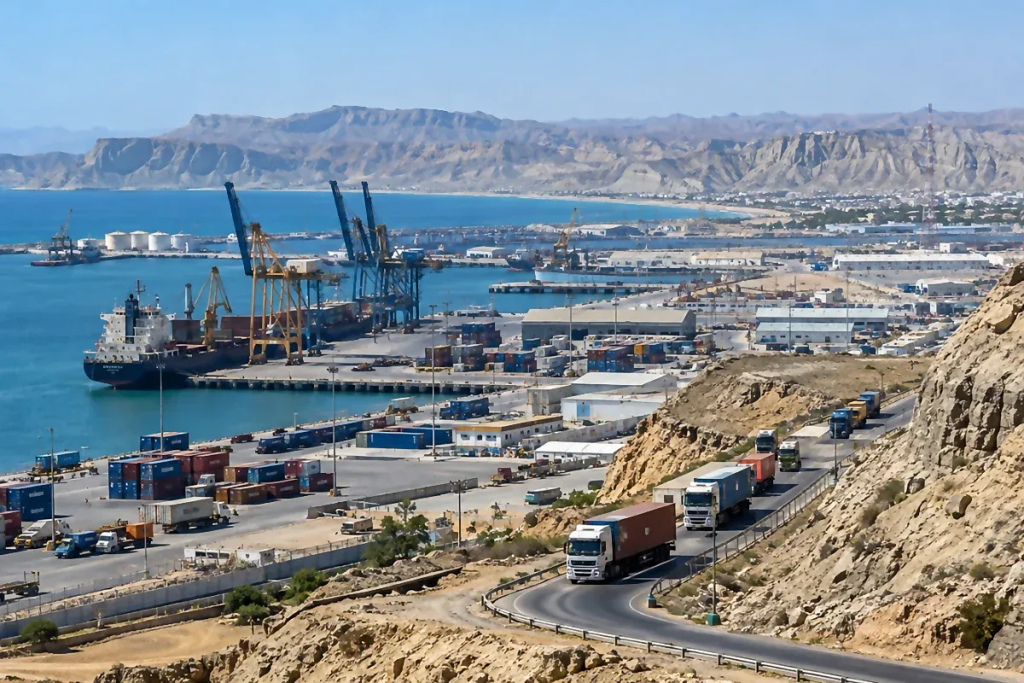
Chabahar, Iran’s only oceanic port, offers Afghanistan access to international waters and maritime trade routes serving markets including India, the Gulf region and Africa. The article argues that routes through Iran could reduce transport distances and fuel costs for some Afghan provinces while providing traders with an alternative to Pakistan-dependent transit corridors.
Chabahar’s Structural Advantages: Rail Links and Dedicated Warehousing
Afghan traders’ growing interest in Chabahar is not simply a response to Pakistan’s border disruptions, but also reflects the port’s potential economic and logistical advantages.
Connecting Chabahar to Iran’s road network, planned railway links toward the Milak and Dogharoun border crossings, and the Khaf–Herat railway could help establish a more integrated supply chain. The article argues that these connections could substantially reduce transit times and costs while accelerating the movement of goods and capital. Afghanistan’s regional transport plans also identify Chabahar as a potential gateway to international markets.
However, turning this shift into a lasting strategic partnership will require further improvements to the transit system, the author says. Key priorities include simplifying business visa procedures for Afghan traders, reducing customs bureaucracy at Iranian ports, providing dedicated warehouses and cold-storage facilities in the Chabahar Free Trade Zone, and establishing transparent financial and banking mechanisms.
The shift from Karachi toward Chabahar represents more than a change in shipping routes, according to Wa’ezi. He describes it as an important step toward greater transit independence for Afghanistan and stronger regional economic integration.
Afghan traders increasingly need reliable routes that protect commercial activity from political disputes, the article concludes. If infrastructure and customs facilities at Chabahar and Iran’s eastern border crossings continue to improve, the port could play a larger role in Afghanistan’s foreign trade and deepen economic ties between the two neighboring countries.
By Sayed Baqer Waezi | DID News Agency