Returning Afghan Migrants Face a Looming Winter Humanitarian Crisis
DID Press: As the harsh winter cold gradually approaches Afghanistan’s mountainous regions and sun-scorched cities, the growing wave of migrant returns and mass deportations from neighbouring countries is taking on increasingly alarming dimensions.
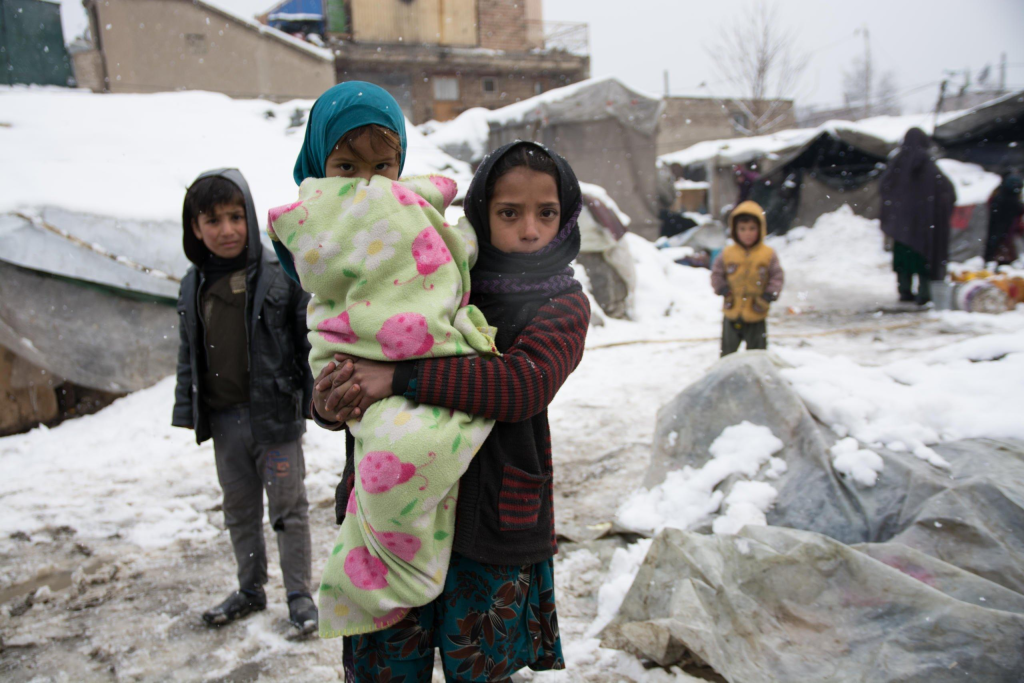
Thousands of families, many with no tangible assets, no jobs and, in numerous cases, no basic shelter, are being sent to provinces already struggling with poverty, drought and economic collapse.
This is no longer simply a population movement or an ordinary administrative matter addressed through official statements and paperwork. Afghanistan is facing a full-scale humanitarian crisis on the eve of a harsh and potentially life-threatening winter, with the future of millions of people at stake.
The biggest question is how prepared, responsible and capable the current governing authorities in Kabul are to respond. Official slogans, publicity campaigns and claims of crisis management stand in sharp contrast to the harsh realities on the ground. The grim reality is that the Islamic Emirate has neither a clear, comprehensive plan to create jobs and provide sustainable housing for this enormous population nor the welfare, healthcare and public-service infrastructure needed to absorb such a sudden and heavy influx.
The return of hundreds of thousands of people means an urgent need for basic necessities, including tents, fuel, drinking water, medicines, heating equipment and schools for children. Yet, due to political isolation, severe budget shortfalls and the exclusion of skilled and experienced personnel, the current Taliban administration has struggled to provide even the most basic services.
Meanwhile, the international community and humanitarian organisations have increasingly become passive observers rather than fulfilling their moral and humanitarian responsibilities. The sharp and unprecedented decline in humanitarian assistance to Afghanistan in recent months has dealt another blow to the country’s already fragile economy. Some of the decline has been linked to restrictive policies, stringent decisions and the Taliban’s ideological approach to women’s employment and broader social restrictions.
It appears that ordinary and vulnerable people being pushed back across borders have been forgotten amid the ideological intransigence of the authorities in Kandahar and the politically driven indifference of Western governments. They are paying the price for policies and approaches in whose formulation and decision-making they had no role.
The policies and actions of some neighbouring countries have also deepened the crisis and made the situation more complicated. A short-term approach and the instrumental use of migrants as leverage during sensitive political and security moments have demonstrated how limited regional perspectives on Afghanistan can be when it comes to long-term humanitarian considerations.
The hurried, mass deportation of hundreds of thousands of people with no reliable source of income, who have left their lives and possessions behind, without adequate coordination and on the eve of snow and freezing temperatures, will do little to promote regional security and stability. Instead, by creating new conditions for extreme poverty, crime, despair and underlying unrest, such measures risk spreading instability across the wider region.
The immediate consequence is a deepening humanitarian and psychological crisis in Afghan society. Women and children are among the most vulnerable in this wave of returns. After years of displacement and hardship abroad, they now face closed doors to education, healthcare and security in their own country. Thousands of Afghan children approaching winter without the basic rights to a warm room or a classroom are the silent victims of this grim situation.
The result of this lack of coordination, inadequate planning and instrumental approaches is an unprecedented accumulation of anger, suffering and despair among a generation that feels abandoned both abroad and at home.
Unless the Taliban authorities move beyond one-dimensional policies and unilateral claims and urgently pursue structural reforms, genuine international cooperation, constructive engagement with neighbouring countries, and the fair and transparent distribution of resources, this winter will not only take a heavy toll on homeless and vulnerable returnees. It could also seriously undermine the foundations of the caretaker government’s claims of stability and effective governance.
By Sayed Baqer Waezi — DID News Agency