Taliban-Pakistan Clashes Disrupt Central Asia’s Trade Routes to South Asia
DID Press: Ongoing military clashes between Afghanistan’s Taliban authorities and Pakistan are having adverse economic consequences for Central Asian countries, creating serious obstacles to their plans to expand trade with South Asia and gain access to Pakistani seaports, according to a report by the US-based news outlet Eurasianet.
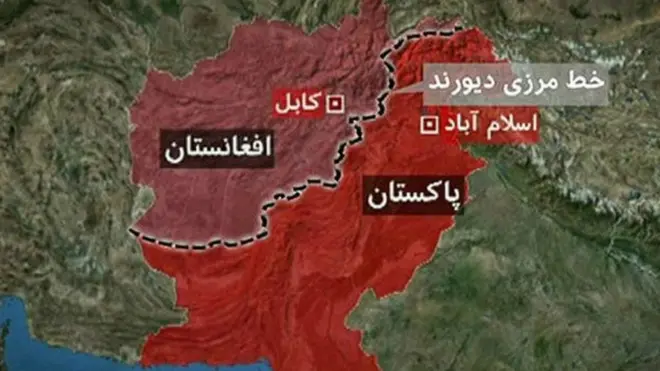
The report says insecurity along transit routes through Afghanistan and Pakistan has also cast uncertainty over the prospects for expanding trade cooperation between Kazakhstan and Uzbekistan and Islamabad.
Eurasianet reported on Tuesday, November 3, that instability along transport corridors in Afghanistan and Pakistan had become one of the main obstacles to connecting Central Asian economies with South Asia.
Kazakhstan, which had previously planned to increase trade with Pakistan, is now reassessing its economic expectations from cooperation with Islamabad, the report said.
During a meeting in Astana on November 1, officials from the two countries estimated the potential for expanding bilateral trade at approximately $645 million. This comes after both sides had set a target earlier in 2026 of increasing annual trade to more than $1 billion.
Uzbekistan is also facing difficulties in achieving its trade ambitions with Pakistan. The two countries agreed last September to raise bilateral trade to $2 billion annually within five years, but available figures suggest that reaching this target could prove challenging.
Pakistan’s exports to Uzbekistan stood at approximately $129 million in 2024, while Uzbekistan’s exports to Pakistan amounted to $257 million. Figures for 2025 also indicate that bilateral trade remained largely unchanged.
Eurasianet noted that although the consequences of the Taliban-Pakistan conflict are rarely discussed in formal economic negotiations, the dispute has effectively become one of the main barriers to expanding regional trade.
Landlocked Central Asian countries, particularly Kazakhstan and Uzbekistan, have in recent years pursued plans to improve access to global markets by developing railway links through Afghanistan and making use of Pakistan’s ports of Karachi, Port Qasim and Gwadar.
However, continuing border tensions and political disagreements between Islamabad and the Taliban authorities have cast uncertainty over the implementation of these projects.
The report also referred to the failure of a meeting in Moscow in early October to issue a joint statement on Afghanistan, attributing the setback partly to disagreements between the parties over terrorism-related issues.
According to Eurasianet, the prospects for connecting Central Asia economically with South Asia depend above all on reducing tensions between Afghanistan and Pakistan, securing transit routes and establishing political stability across the region.