Farah Farmers Struggle to Replace Opium Poppies Without Economic Support
DID Press: The ban on opium poppy cultivation in Afghanistan has pushed some farmers in Farah province to switch to alternative crops, including cotton. However, a lack of markets, low crop prices and water shortages have made it difficult for them to generate income from these alternatives.
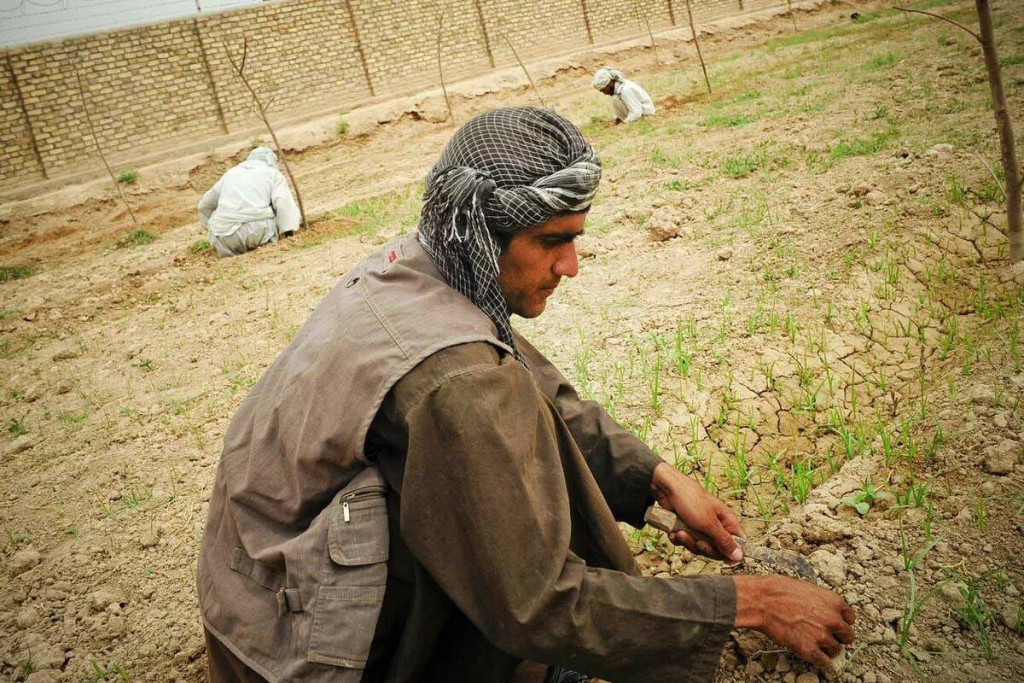
Farmers in the province have called on the Taliban authorities to establish markets, support producers and provide access to water resources to ensure the long-term viability of alternative crops.
In April 2022, Hibatullah Akhundzada, the Taliban leader, issued a decree banning opium poppy cultivation as well as the production, purchase, sale and trafficking of narcotics. According to the United Nations Office on Drugs and Crime (UNODC), implementation of the decree led to an approximately 95 percent decline in the area under opium poppy cultivation in 2023.
Reducing opium poppy cultivation without creating alternative economic opportunities does not necessarily improve farmers’ livelihoods. The experience in Farah shows that, alongside enforcing the ban, the Taliban have not provided an effective programme to ensure water supplies, financial assistance, guaranteed purchases of crops or access to markets.
Under these circumstances, the economic burden of the anti-drug policy falls most heavily on farmers and rural families.