UAE Candidate Welcomes Support from Afghanistanian Women’s Groups for UN Secretary-General Bid
DID Press: Lana Nusseibeh, a UAE diplomat and candidate for the position of United Nations Secretary-General, has described the support of 25 Afghanistanian women’s civil society organisations for her campaign as encouraging, pledging to work to advance the demands of Afghanistanian women if elected.
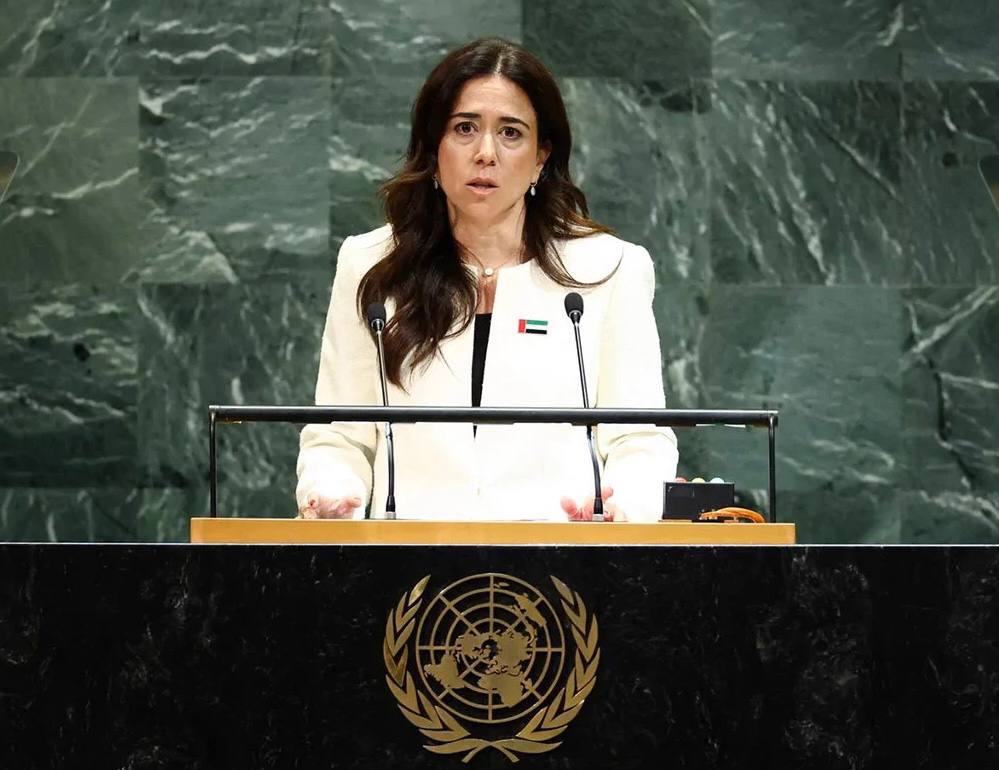
In an interview with Agence France-Presse (AFP), Nusseibeh said she had previously met with several Afghanistanian women activists on the sidelines of UN Security Council meetings on Afghanistan. She said that, if appointed Secretary-General, she would put their demands on her agenda.
Nusseibeh, who previously served as the United Arab Emirates’ Permanent Representative to the United Nations, has stepped down from her position at the UAE Foreign Ministry to focus on the leadership race. She has stressed that her main motivation for seeking the post is her belief in the role of the United Nations, rather than her Arab identity.
If elected, Nusseibeh would become the first woman and the second Arab to serve as UN Secretary-General, after Egyptian diplomat Boutros Boutros-Ghali. She has also called for generational change and structural reforms within the organisation, pledging to identify major global conflicts and take steps towards resolving them during her first 100 days in office.
Her candidacy, however, has faced criticism over the UAE’s role in regional developments, particularly the war in Sudan. Some human rights organisations have accused Abu Dhabi of supporting paramilitary forces in the conflict. In response, Nusseibeh has said that, if elected, she would act independently of her country’s positions and pay attention to the situation of women and children in crises such as those in Gaza and Sudan.
Nusseibeh served as the UAE’s Permanent Representative to the United Nations from 2013 to 2024. During the country’s non-permanent membership of the Security Council, she worked alongside Japan on the Afghanistan file. She also played a role in drafting resolutions related to the ban on Afghanistanian women working for UN agencies and the framework for an independent assessment of the situation in Afghanistan.
The backing of 25 Afghanistanian women’s civil society organisations could provide symbolic support for Nusseibeh’s campaign. However, her diplomatic record and political ties to the UAE raise questions about the degree of independence she might exercise at the helm of the United Nations. In particular, Abu Dhabi’s regional policies and allegations concerning its role in the Sudan war raise questions that require examination and accountability in light of her pledge to defend human rights and protect civilians.
For Afghanistanian women, the key measure should be the UN’s practical action against the Taliban’s restrictions, rather than campaign promises made by a candidate for Secretary-General.