Taliban Local Forces Defy Kabul Order to Return Shia Mosque in Badakhshan
DID Press: Residents of Arkhud village in Nusay district of Badakhshan province say local Taliban forces continue to refuse to return the village’s main mosque to the Shia community, despite an order from a delegation sent from Kabul. A village representative was also detained and mistreated for pursuing the implementation of the decision, local sources say.
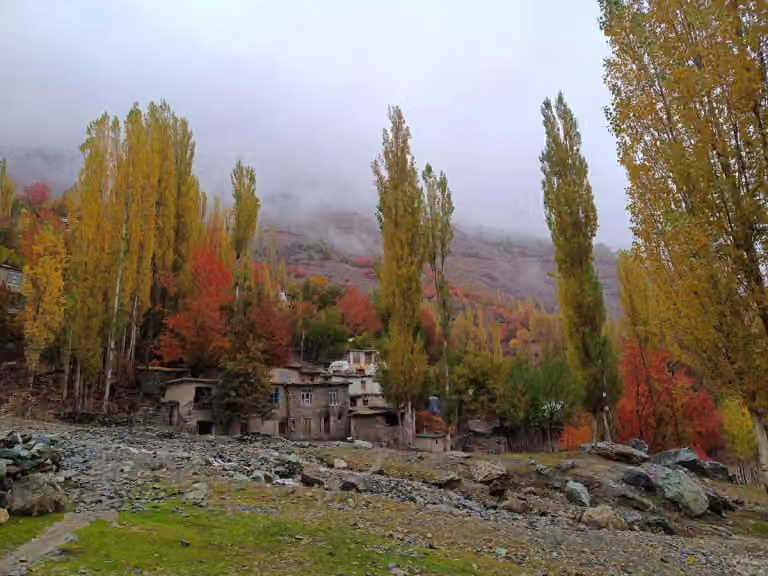
According to local sources, the main mosque in Arkhud village was built with the personal contributions of Twelver Shia residents. However, several years ago, as construction was being completed, it was seized on the orders of Jumakhon Fateh, the Taliban’s former local commander, and handed over to a small number of Sunni residents, despite Shias making up the majority of the village’s population.
Following Fateh’s surrender and arrest in August this year, the Taliban administration sent a delegation to the area to investigate residents’ complaints and examine the conduct of the former commander. After reviewing the documents, the delegation ordered that the mosque be returned to the Shia community. However, the decision has yet to be implemented.
Local sources say the village representative visited the district centre in early October to follow up on the implementation of the delegation’s order. He was reportedly detained and mistreated by individuals close to the former commander who now work in local Taliban intelligence and law enforcement institutions.
Nusay district, in Badakhshan’s Darwaz region, has witnessed widespread tensions in recent months between local Taliban forces and a delegation sent from Kabul. Jumakhon Fateh surrendered following several days of armed clashes with government-deployed forces over control of local fighters and the region’s mineral revenues. His surrender was reportedly brokered by Fasihuddin Fitrat, the Taliban’s chief of army staff, after which he was transferred to Kabul.
Earlier reports have also highlighted religious restrictions against Shia and Ismaili communities in Badakhshan. One report documented the closure of 33 Ismaili jamaat khanas and restrictions on the community’s religious ceremonies.
The continued seizure of the Shia mosque and the failure to implement the Kabul delegation’s order go beyond a local dispute and point to serious challenges in ensuring the religious rights of Afghanistan’s citizens.
The detention of a village representative for pursuing what residents consider their legal and religious rights, alongside reported restrictions against Ismailis, has heightened concerns over religious discrimination and anti-Shia policies within the Taliban administration.
A government that claims to provide security and justice for all citizens cannot remain silent when the religious rights of minorities are violated and forces affiliated with it disregard official decisions.