Afghanistan’s Saffron Exports Top $48M as Workers Struggle with Low Wages
DID Press: Afghanistan exported more than $48 million worth of saffron during the first seven months of 2026, with Herat producing approximately 90 percent of the country’s crop. However, farmers and workers, particularly women, receive only a small share of the industry’s revenue and continue to face low wages and economic hardship.
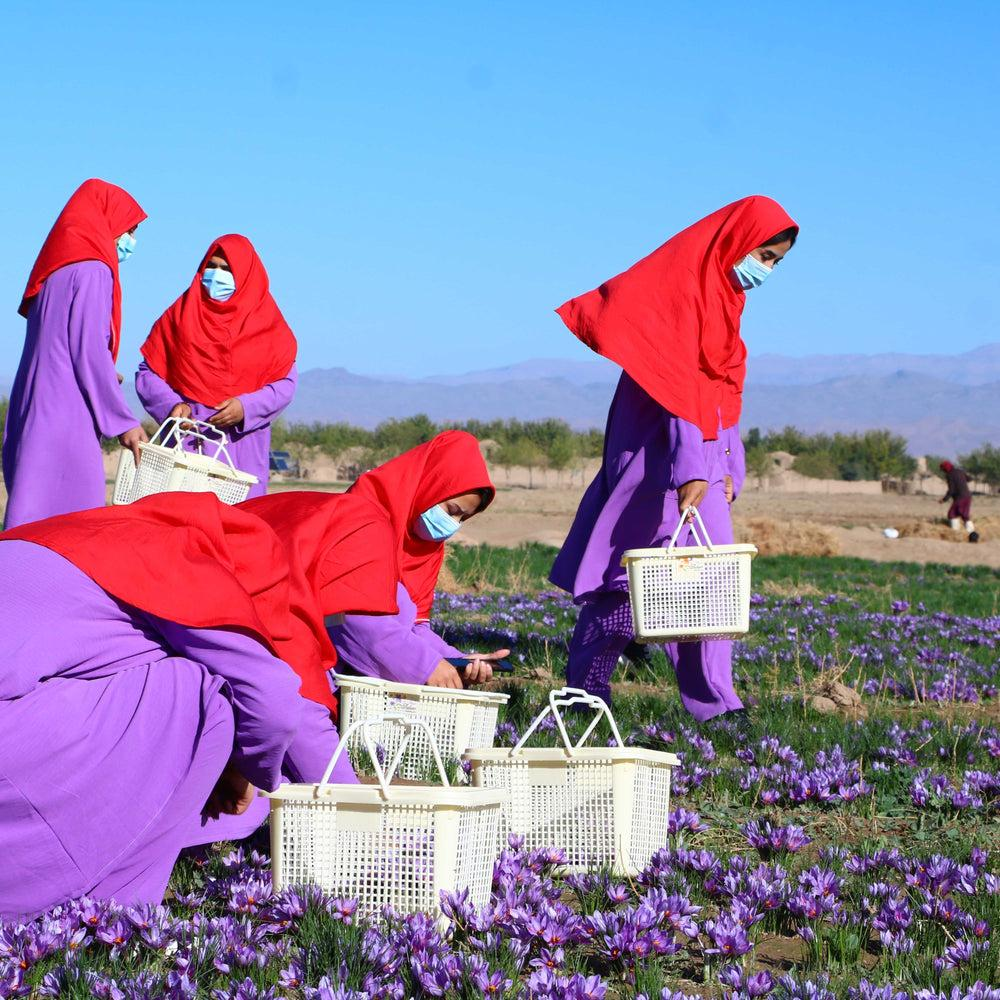
According to figures announced at the 11th Saffron Flower Festival in Herat, approximately 14,000 hectares of land across Afghanistan are under saffron cultivation, including 12,000 hectares in Herat. This year’s harvest is projected to reach between 50 and 70 tonnes.
The Afghanistan Saffron Union says nearly 50,000 people are employed during the harvesting season, around 95 percent of them women. However, a female worker in Herat said she receives only 50 Afghanis for cleaning one kilogram of saffron flowers, while one kilogram of dried saffron is worth approximately 100,000 Afghanis on the domestic market.
Exporters also identify banking restrictions, high transportation costs, a lack of standard processing factories, and weaknesses in packaging and marketing as major obstacles to the industry’s development. Large-scale saffron exports have also meant that a considerable share of the added value and final profits goes to intermediaries and foreign companies.
The growth in saffron exports, while farmers and workers continue to receive wages and incomes disproportionate to the value of the product, highlights a gap in the distribution of economic benefits.
Without support for small-scale producers, investment in processing industries and direct access to international markets, rising exports will not necessarily translate into improved livelihoods for Afghanistan’s farmers and workers.