ACLED: Anti-Taliban Armed Clashes Nearly Double Across 28 Afghanistan Provinces
DID Press: Armed clashes between the Taliban and opposition groups in Afghanistan nearly doubled between January and October 2026 compared with the same period last year, according to data from the Armed Conflict Location & Event Data Project (ACLED), cited in an analysis published by the US-based Eurasia Review.
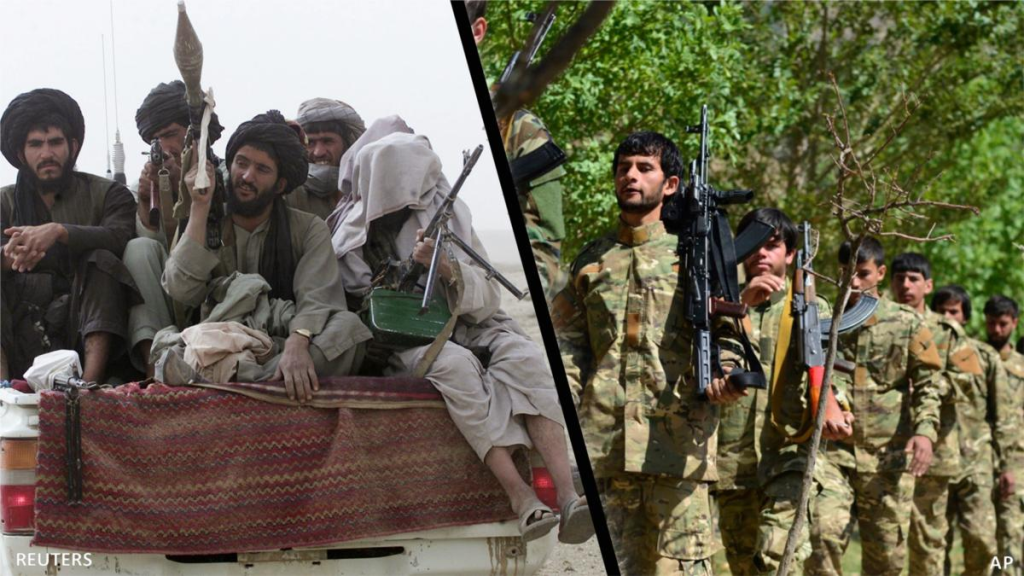
In an analysis titled “Afghanistan: Rising Opposition and Taliban Legitimacy Issues,” Eurasia Review examines the country’s political and security situation and the challenges facing the Taliban administration.
According to ACLED data, clashes between the Taliban and armed opposition groups nearly doubled during the first 10 months of 2026 compared with the corresponding period in 2025. The organization recorded clashes in at least 28 of Afghanistan’s 34 provinces, up from 14 provinces during the same period last year.
The National Resistance Front, led by Ahmad Massoud, the Afghanistan Freedom Front and several newly established groups are among the organisations continuing armed opposition to the Taliban. However, organisational fragmentation and a lack of coordination among these groups remain major obstacles to expanding their activities.
On the political front, the analysis identifies restrictions on political parties, the treatment of critics and shrinking space for civil society as other challenges facing Afghanistan. The European Union Agency for Asylum also noted in its 2026 report the prohibition of political parties and extensive restrictions on media outlets and civil society activists.
The concentration of power within the Taliban’s leadership is another major point of criticism. According to a United Nations report published in September 2026, decision-making within the group is highly centralized, with Taliban leader Hibatullah Akhundzada playing a central role in its administration.
On the international front, despite expanding relations with several regional and international countries, formal recognition of the Taliban administration remains unresolved. Russia became the first country to recognise the Taliban government in July 2025, but the move has not led to wider international recognition.
Restrictions imposed on women and girls, the absence of an inclusive political structure and international concerns over the human rights situation remain among the obstacles affecting the Taliban’s foreign relations and efforts to secure international legitimacy.