DID Press: The Economist magazine, in a recent report, warned that the southern Gulf countries are facing an unprecedented crisis in missile defense capabilities. According to the report, governments in the region fired about 800 interceptor missiles from the ‘PAC-3’ and ‘THAAD’ systems in just two days, while Lockheed Martin produces around 600 PAC-3 missiles and only 96 THAAD missiles annually. This large gap between consumption and production forces Arab countries to conserve interceptor missiles and even make difficult decisions about which areas to defend and which to leave unprotected.
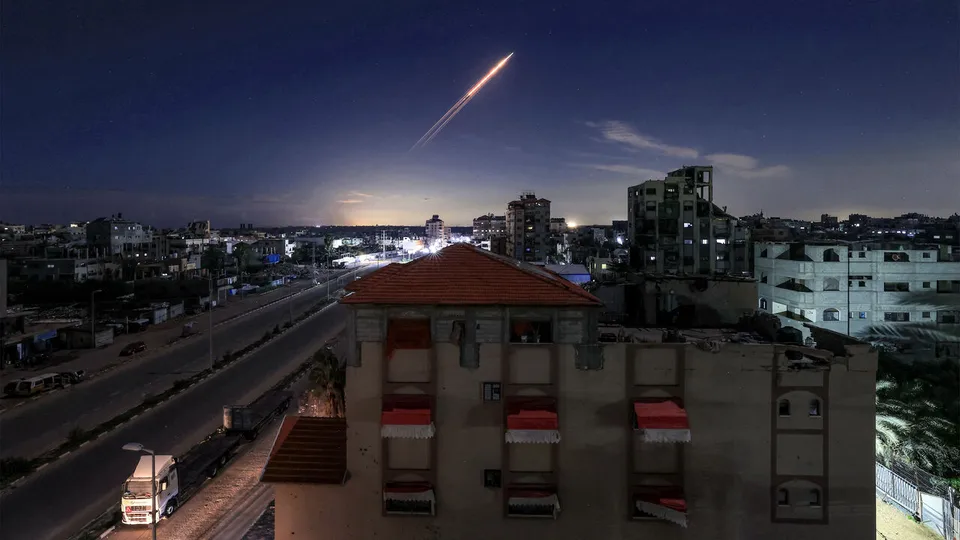
Meanwhile, the UAE government, announcing a special security status, has banned any photography and publication of images from sensitive centers. The country’s security apparatus has asked citizens on the ‘X’ platform to refrain from reposting unreliable information or fake content and considers adherence to these regulations a ‘sign of national awareness.’
At the same time, the aviation industry in the Persian Gulf has experienced widespread disruption. Dubai, Abu Dhabi, and Doha airports, which are among the busiest airports in the world, have been shut down. Reports indicate that half of Dubai’s population is leaving the city, and many expatriates have traveled overland to Oman and Saudi Arabia in search of exit routes.
This series of developments presents a picture of a defense crisis and logistical chaos in the southern Gulf emirates; a situation that could have broader security, economic, and social consequences in the coming days.