DID Press: Iran’s swift appointment of Ayatollah Sayed Mojtaba Khamenei as its new leader sent a clear signal both domestically and internationally. Internally, the move prevented instability at the top of government and demonstrated that Iran’s political system can rapidly reproduce leadership and continue governing without disruption. Externally, it showed that the assassination of senior leaders does not automatically collapse decision-making or paralyze the country’s defense capabilities.
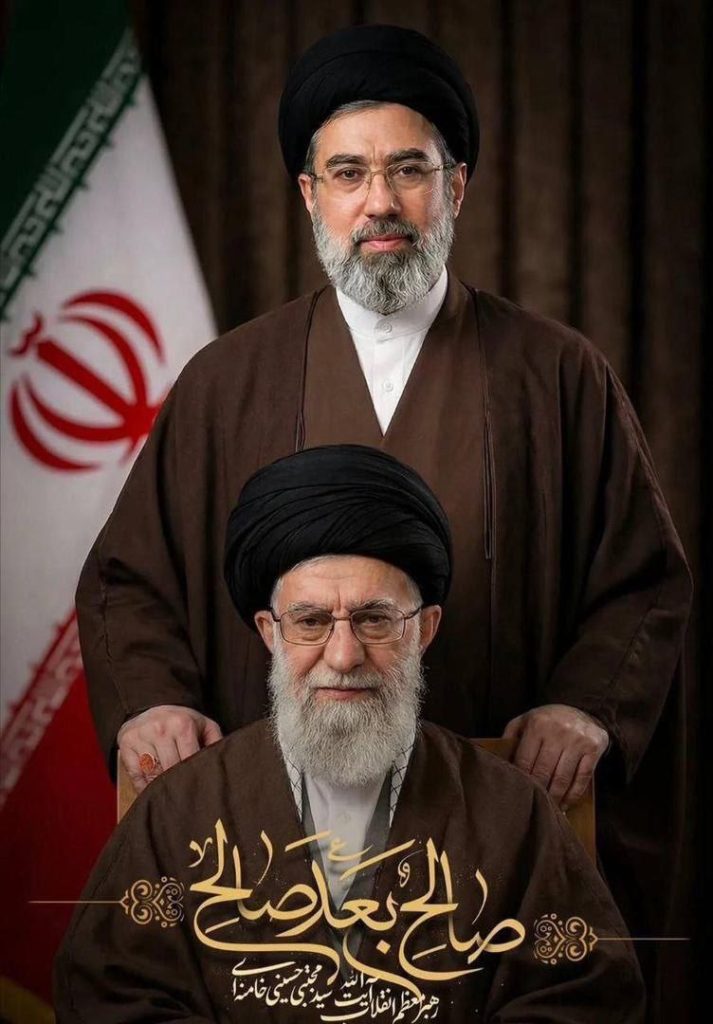
The United States and Israel launched extensive attacks against Iran beginning February 28, 2026, targeting military infrastructure and leadership. The assassination of Ayatollah Sayed Ali Khamenei and several senior commanders aimed to create political shock, disrupt coordination among security institutions, and collapse Iran’s command chain.
However, Iran’s political and institutional preparedness neutralized any potential leadership vacuum. The rapid succession ensured the continuity of strategic decision-making and maintained cohesion across military, intelligence, and administrative structures, allowing Iran to sustain war management despite external pressures.
Ayatollah Mojtaba Khamenei’s familiarity with governance mechanisms and security structures enabled the seamless continuation of national strategy during conflict. The move prevented internal divisions, ensured coordinated crisis management, and delivered a strong deterrent message to adversaries that Iran’s command system remains resilient.
by Sayed Baqer Waezi | DID News Agency