Iran’s Multi-Layered Strikes Expand Regional War, Challenging US and Israel
DID Press: A series of military and political developments over the past hours has pushed tensions in West Asia into a new phase as direct confrontation between Iran, the United States and Israel intensifies.
António Guterres, Secretary-General of the United Nations, expressed regret over the collapse of diplomatic channels between Tehran and Washington, condemning recent U.S. and Israeli strikes on Iranian territory and warning of the risks of further escalation.
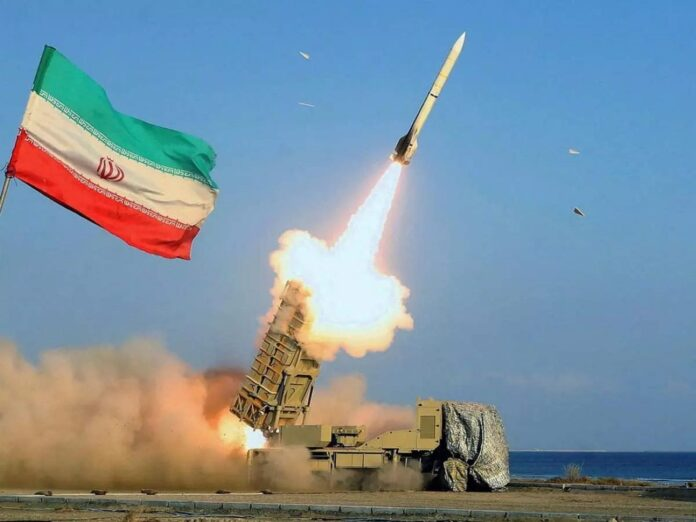
Meanwhile, the Islamic Revolutionary Guard Corps (IRGC) announced new waves of its military campaign known as “Operation True Promise 4.” Iranian statements said drone and missile strikes disabled a U.S. ammunition vessel at Jebel Ali Port and targeted American bases in Kuwait and the Indian Ocean. The IRGC said Iranian naval and air units would continue to block what it called “aggressor forces.”
In Iraq, the Islamic Resistance in Iraq reported carrying out 16 drone operations against U.S. bases and regional targets.
International media outlets, including BBC, also reported explosions and smoke near facilities linked to the U.S. Fifth Fleet in Bahrain, raising questions about the effectiveness of American air-defense systems and prompting concern among Washington’s regional allies.
Separately, Al Jazeera reported that the Al-Ruwais refinery in the United Arab Emirates suffered serious damage in a drone strike and was forced offline. At the same time, the foreign minister of Oman said the current war was unrelated to Iran’s nuclear issue, noting that negotiations between Tehran and Washington had previously reached advanced stages.
On the northern front, Hezbollah announced missile strikes against Israeli military command centers in Safed and Mount Carmel, while field sources reported the start of a limited ground operation by Lebanese resistance forces along the northern border of Israeli-controlled territory.
Iranian security sources also dismissed U.S. messaging about naval escorts in the Strait of Hormuz, saying no ships had crossed the area under American protection and warning that Iran could expand the conflict further if attacks continued. At the same time, warnings emerged about potential disruptions to maritime traffic through the Bab el‑Mandeb Strait and the Suez Canal.
In another wave of Operation True Promise 4, Iranian forces and Hezbollah reportedly struck more than 50 military targets across Israeli-controlled areas within five hours. U.S. bases in Azraq and Al‑Kharj were also reportedly hit. Israeli media reported increased missile fire from Iran and rising casualties, with reports of widespread shutdowns in Tel Aviv and Haifa.
International analysis has also warned of broader consequences. The magazine Foreign Affairs wrote that the expanding war could ultimately work against the United States and Israel. In the United States, ABC News reported that the Federal Bureau of Investigation had warned about the potential risk of drone attacks targeting the U.S. West Coast.
In a separate incident, Iraqi officials said two oil tankers caught fire after being struck in territorial waters of Iraq, with 25 crew members evacuated.
Iranian sources said recent IRGC strikes on Fujairah, Sharjah and Kuwait’s Ali Al‑Salem Air Base were carried out in retaliation for U.S. and Israeli attacks on fuel storage facilities at the Tehran Refinery.
Regional analysts warn that with armed groups in Yemen and Iraq on high alert, the conflict could expand further and open new fronts in the coming days.