DID Press: Ongoing confrontation between Iran, the US, and Israel in the Persian Gulf and around the Strait of Hormuz has escalated from a military clash to a multi-layered battle involving energy, economics, and political resilience. While former U.S. President Donald Trump claims the conflict is nearing its end and Washington will soon “secure” Hormuz, the strategic reality suggests that the outcome will be determined less by military operations than by control over these vital energy chokepoints.
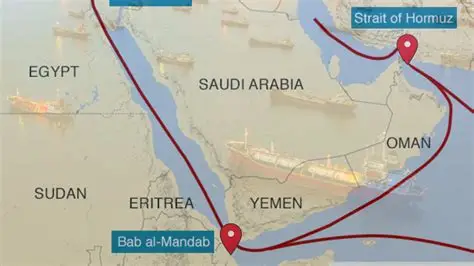
Analysts note that whichever side manages or disrupts energy flows through Hormuz and Bab al-Mandab will hold a decisive advantage. Iran’s combination of missile and drone strikes has imposed significant costs on the U.S. and its allies, despite incurring losses for Tehran itself. Military superiority alone has not guaranteed protection of U.S. interests in the region.
European allies show reluctance to engage directly, wary of energy market disruptions and economic fallout, while Arab states remain cautious, aware that direct conflict with Iran could endanger critical infrastructure. Iran’s allies, though not openly participating, provide intelligence and indirect support.
By threatening the closure of Bab al-Mandab, Iran has expanded the conflict from the Persian Gulf to the Red Sea—a critical global energy corridor. Such disruption could spike energy prices, pressure European industries, destabilize global supply chains, and exacerbate economic crises in the West.
The recent succession of Ayatollah Seyed Mojtaba Khamenei further signals Tehran’s strategic continuity and unwillingness to compromise under pressure, highlighting structural cohesion amid the conflict.
The decisive point now hinges on control of Hormuz and Bab al-Mandab. The U.S. can claim progress only if it ensures safe fuel passage and stabilizes energy prices. However, operational vulnerabilities, high risks of direct regional engagement, and heavy economic costs hinder Washington from establishing a durable presence in these strategic chokepoints. Analysts conclude that the U.S. and Israel’s inability to assert decisive control reflects structural limitations rather than deliberate strategic restraint, revealing the immense complexity and high stakes of the global energy theater.
By Rahel Mousavi | DID News Agency