Afghan Commentary Links Quds Day to Solidarity With Iran Amid Regional Tensions
DID Press: As the annual Quds Day approaches, the call for solidarity in the region is taking on a new dimension. Traditionally a day dedicated to supporting the Palestinian people, this year’s observance is unfolding against the backdrop of war, prompting calls among some Afghan commentators for support for neighboring Iran.
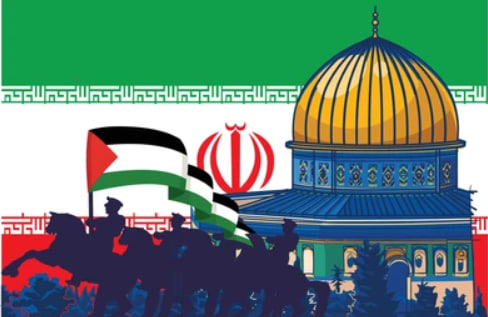
A legacy initiative established by Iran’s late leader Ayatollah Ruhollah Khomeini—has long symbolized global solidarity with Palestinians. This year, however, the meaning of the event is being reshaped by ongoing conflict in the region. Quds Day 1404 (2026) is portrayed as a bridge between the concept of “defending the holy shrines,” in which Afghan fighters previously participated in regional conflicts, and the idea of “defending the homeland,” which the commentary argues Iran now requires.
A Different Quds Day This Year
The last Friday of the holy month of Ramadan arrives this year under the shadow of war. Twelve days have passed since what the article describes as large-scale attacks by the United States and Israel on Iran.
For Iran’s neighbors—particularly Afghanistan—the events are framed as deeply familiar. Afghans, the commentary argues, have experienced the consequences of foreign military intervention firsthand during the two decades of international military presence in the country. As a result, the suffering of their neighbor resonates strongly among segments of Afghan society.
For supporters of the so-called “axis of resistance” in Afghanistan, the article suggests that Quds Day this year represents more than a show of solidarity with Palestine. Instead, it is portrayed as a moment to express support for Iran as well.
Shared Experiences of Conflict
The analysis asserts that many Afghans have not forgotten the impact of the 20-year war in their own country—marked by casualties, infrastructure destruction, and a generation shaped by conflict. It argues that the same geopolitical actors involved in Afghanistan are now confronting Iran.
The article further claims that Israeli strikes, backed by the United States, have targeted Iranian facilities and inflicted significant damage. For Afghans who experienced prolonged conflict, the commentary describes the current war as a tragic repetition of events they themselves endured.
According to the piece, this shared history of conflict has forged a lasting connection between Afghan and Iranian societies.
From Palestine to Iran
While International Quds Day has historically focused on Palestine, the article argues that the concept now carries additional meaning amid the current war.
It portrays Quds Day 1404 as linking two narratives: the earlier participation of Afghan fighters in conflicts in Syria under the banner of defending Shiite holy sites, and the perceived need to defend Iran today.
Afghan volunteers fought alongside Iranian forces during the Syrian conflict and suffered heavy casualties, the article notes. Now, with Iran itself under threat, the commentary says those bonds are being invoked once again.
Demonstrations marking Quds Day in cities such as Kabul, Herat, and Mazar-e-Sharif are expected to voice support not only for Palestinians but also for Iran.
A Political Statement
The article concludes that participation in this year’s demonstrations carries broader political significance. With some countries restricting Quds Day rallies and Western media accused of downplaying the conflict, the author describes public participation as a rejection of what he calls Western double standards.
According to the analysis, the Islamic world faces a historic test of unity and responsibility. For Afghans, the author argues, that responsibility is even greater due to both geographic proximity to Iran and the shared legacy of conflict.
Conclusion
“This year’s Quds Day has a different tone,” the article concludes. “From Kabul to Tehran, and from Gaza to Beirut, the cry of ‘Allahu Akbar’ will echo.”
The author adds that many Afghans who previously supported regional resistance movements want to convey a message to Iranians: they are not alone. Just as Afghan fighters once stood beside them in defending holy sites, the commentary says, Afghans should now stand beside Iran.
By Sulaiman Saber – DID News Agency