DID Press: Following the reported assassination of Iran’s Islamic Revolution leader in the joint US–Israeli attacks, the selection of Ayatollah Seyed Mojtaba Khamenei as the third leader of the Islamic Revolution has drawn global attention. His first strategic message, released last night, signals a major recalibration of Iran’s approach to regional conflict and power balance.
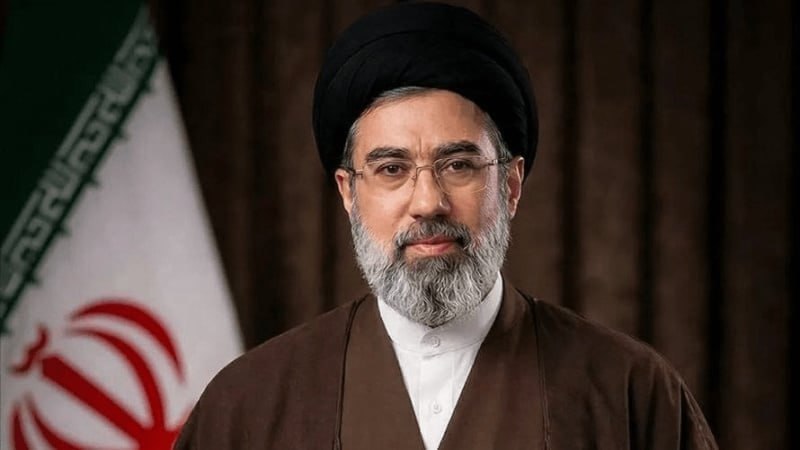
The message goes beyond ceremonial rhetoric, presenting what the analysis calls a new doctrine: transitioning Iran’s engagement from limited military confrontations to a broader strategic crisis aimed at the United States and Israel.
People at the Core of Power
Ayatollah Khamenei emphasized the central role of the Iranian people as the true pillars of national strength. Recalling the period when Iran was temporarily without a leader, he credited the citizens’ awareness and participation for sustaining the country. The message elevates the public from “passive followers” to “active participants” in shaping Iran’s historical and strategic trajectory. Quoting the Quranic verse, “We do not abrogate a verse…”, he highlighted that while leadership may be taken, the people themselves constitute a divine source of enduring strength.
Strategic Reframing of the Conflict
A key aspect of the message redefines the arena of confrontation. The new leader distinguishes between regional governments and U.S. military bases, declaring that while Iran holds no hostility toward its fifteen neighboring states, U.S. bases serving as instruments of aggression are legitimate targets. This distinction forces regional countries to choose between safeguarding national interests or bearing the costs of hosting U.S. forces. Analysts interpret this as a “shift in the war equation,” diminishing American dominance and exposing the U.S. as vulnerable and unreliable for its allies.
The message also underscores Iran’s intention to maintain restrictions in the Strait of Hormuz, transforming a regional conflict into a potential global economic challenge. Any disruption in this key energy artery, the analysis notes, would impact not only the United States but the entire Western economy. The communication to U.S.-host nations is clear: hosting American forces carries unavoidable political, security, and economic costs.
Deepening Regional Alliances
Ayatollah Khamenei extended appreciation to Iran-aligned resistance forces, redefining Iran’s strategic depth across West Asia. Groups in Yemen, Hezbollah, and Iraq’s resistance movements were framed not merely as regional allies but as Iran’s “closest friends,” with their cooperation enhancing deterrence against Israel and shortening the path to strategic objectives. This approach, the analysis argues, consolidates the resistance front into a cohesive network capable of multi-front engagements, creating a prolonged, multi-layered conflict for U.S. and Israeli forces.
Retaliation and Asymmetric Deterrence
The message carries a clear retaliatory component, framing national security as the protection of every citizen, not merely political structures. The statement, “Every martyr has an independent revenge file,” signals that Iran’s response is not limited to attacks on revolutionary leaders, but extends to civilians, particularly children, in acts of aggression. Specific incidents, like the Minab school attack, are cited, highlighting that retaliation can be precise and accountable, elevating threats to a concrete operational level.
This approach represents a redefinition of deterrence through asymmetric cost imposition: any strike against Iran will be met with a response that exceeds the initial level and targets critical non-military objectives.
Regional Warning
In conclusion, Ayatollah Khamenei warned regional states that the era of dual allegiances—friendship with Iran alongside hosting U.S. forces—is over. Countries must decide whether to continue supporting U.S. bases or face the consequences. The message stresses realism over coercion, citing U.S. actions as a destabilizing force rather than a source of security.
Conclusion
The first strategic message of Iran’s third revolutionary leader outlines a decisive roadmap for the future of conflict and regional order. It positions the people as active actors, strengthens Iran’s strategic depth through allied networks, converts the United States from dominant power to a vulnerable actor, and forces neighboring countries into historic choices. Analysts consider the message a turning point in the ongoing conflict, with the potential to fundamentally shift the balance of power in favor of Iran and the resistance front.
By Rahel Mousavi – DID News Agency