DID Press: Military tensions along the eastern border between Pakistan and Taliban-controlled Afghanistan have entered a new phase, with clashes intensifying in an unprecedented manner. At the same time, China has begun diplomatic efforts to mediate between Islamabad and Kabul as both sides accuse each other of direct attacks and violations of national sovereignty.
Pakistani officials say more than 70 sites linked to armed groups in Kabul, Kandahar, and Paktia were targeted in airstrikes in response to security threats. In contrast, the Taliban’s Defense Ministry claims its forces struck the “Hamza Camp” near Islamabad with drones, causing heavy damage. The exchange of attacks has heightened fears of a wider escalation and a new cycle of violence in the region.
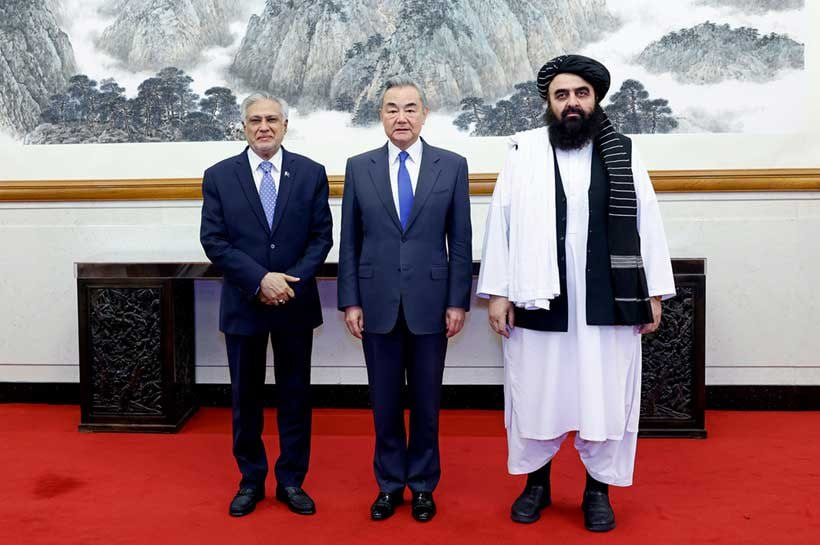
Amid the crisis, China has stepped in with shuttle diplomacy between the two capitals, seeking to facilitate dialogue and reduce tensions. Beijing has strong incentives for mediation, including major energy and industrial investments in Pakistan and Afghanistan, concerns about militant groups such as the East Turkestan Islamic Movement, and its ambition to strengthen its role as a regional security actor.
However, China’s mediation faces serious obstacles. Pakistan is demanding formal guarantees from the Taliban to halt activities of the Tehrik-i-Taliban Pakistan inside Afghan territory, while Kabul continues to deny the presence of the group. Pakistani authorities have also declared that they will no longer negotiate with armed groups and that military action remains the only option.
Analysts note that handing over members of the Pakistani Taliban to Islamabad would represent a political and ideological “death sentence” for the Afghan Taliban, making such concessions highly unlikely.
Overall, despite China’s considerable influence over both sides, deep security and ideological differences between Islamabad and Kabul mean the chances of a sustainable ceasefire in the near term remain slim. Without a shared understanding of threats and security responsibilities, diplomatic efforts— even with Beijing’s backing—are likely to face significant challenges.