DID Press: Rising tensions in Iran and Afghanistan are putting South Asian trade at risk and disrupting Central Asia’s new routes to Asian and African markets.
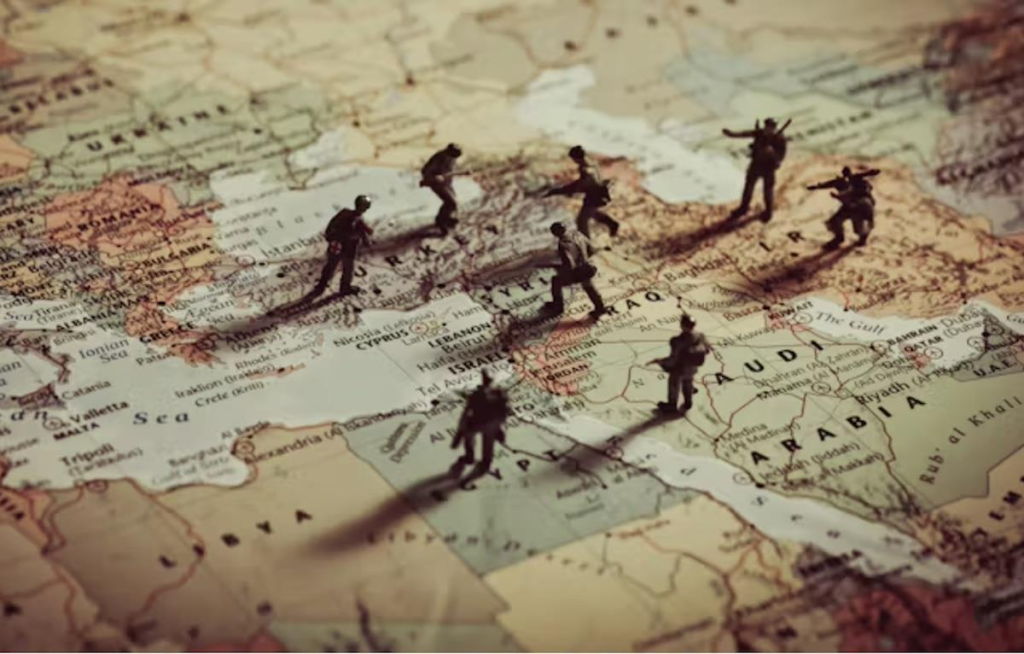
The escalation between the Taliban government in Afghanistan and Pakistan threatens the security of Central Asia’s land transport and energy corridors.
The Pakistan-Afghanistan overland route, which handled $2.4 billion in bilateral trade in 2025, is effectively closed, limiting Central Asia’s access to Pakistani and Afghan ports.
Major regional projects, including the $6 billion Uzbekistan-Afghanistan-Pakistan railway, the CASA-1000 electricity transmission line, and the TAPI gas pipeline, face delays or potential suspension.
Key roads in Pakistan (Khyber Pass, Peshawar–Torkham highway) and Afghanistan (Kabul–Jalalabad, Kabul–Kandahar highways) have become high-risk, raising transportation and insurance costs.
Transit agreements such as APTTA may be suspended or canceled, increasing cargo risks for Central Asia.
Maritime and air transport are also affected by U.S. and Israeli attacks on Iran. Closure of airspace and disruptions in the Strait of Hormuz have negatively impacted Central Asia’s energy imports and exports.
Projects reliant on Iran, like the North–South transport corridor and the Five-Country Railway, are at risk of delay or suspension, as they require Iranian stability and cooperation.
Rising costs and delivery times, declining investor confidence, and diversion of trade routes toward China and Caspian corridors are expected.
Reduced southern access to the Arabian Sea and increased reliance on Iran as an alternative route remain high-risk due to regional instability and sanctions.
BRI-linked projects and the Middle Corridor may also face slowdowns or stoppages due to the regional instability.
Central Asian countries are now forced to reconsider their global market connectivity strategies, seeking safer alternative routes such as Caspian pathways and east-west corridors, while strengthening cooperation with China to sustain economic growth and global integration.