China’s Strategic Calculus: Balancing Security, Economic Stakes Amid Taliban-Pakistan Tensions
DID Press: China’s apprehension over escalating tensions between the Taliban in Afghanistan and Pakistani forces reflects a multi-dimensional strategic calculation. Beyond economic considerations, Beijing views regional stability as essential for both its security and its substantial investment portfolio. Over recent years, China has deepened ties with both Islamabad and Kabul, embedding itself in critical sectors ranging from infrastructure and mining to transport and energy.
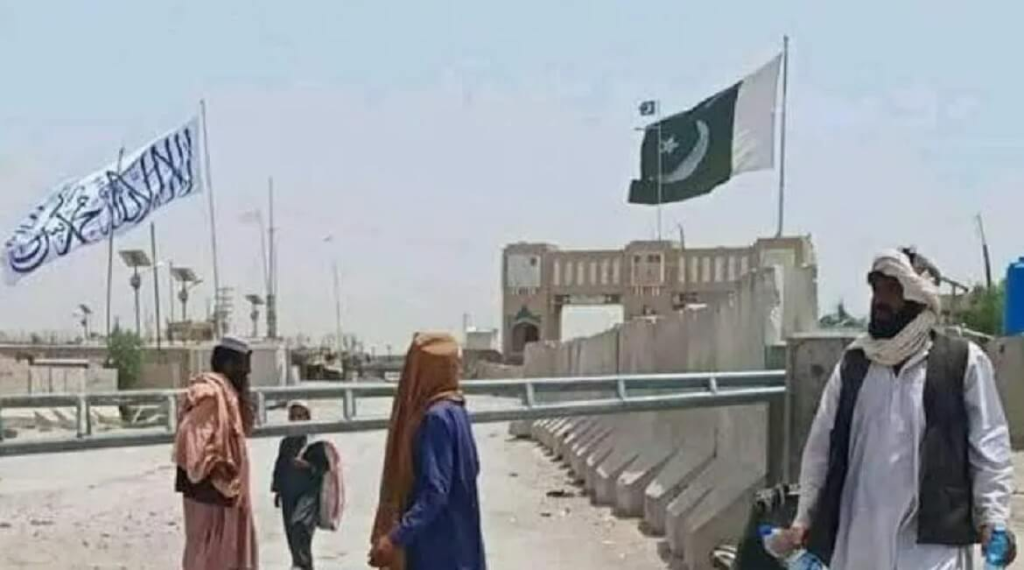
The core concern centers on the potential disruption of the China–Pakistan Economic Corridor (CPEC), particularly the Gwadar port, a linchpin for China’s access to the Arabian Sea and Gulf markets. Any intensification of hostilities in Balochistan or along Pakistan-Afghanistan border areas could threaten logistical routes, delay key projects, and undermine China’s broader Belt and Road Initiative objectives.
Security dynamics further amplify Beijing’s unease. Armed groups, including the Tehrik-i-Taliban Pakistan and regional ISIS affiliates, are entrenched in northwestern Pakistan and Afghan border regions. Escalating clashes could strengthen these actors, heightening the risk of cross-border insurgency and providing a conduit for extremist elements targeting Chinese interests, including Uyghur militants.
China’s diplomatic approach is proactive and multi-layered. By engaging both Taliban and Pakistani officials, Beijing seeks to mediate conflicts, safeguard border stability, and prevent military escalation that could imperil its strategic investments. Afghanistan’s domestic stability is closely tied to China’s economic calculus, as insecure conditions could shrink access to local markets and disrupt regional trade corridors.
From a strategic perspective, Beijing’s position underscores the interdependence of economic and security interests. Effective management of Taliban-Pakistan tensions is crucial not only for preserving China’s investments but also for maintaining regional stability and preventing the growth of extremist networks that could have broader geopolitical implications.
By Ehsanullah Samim | DID News Agency