Pakistan Signals Policy Shift with Possible Meeting of Taliban Opponents
DID Press: Islamabad’s potential invitation to Afghan political groups opposing the Taliban could be part of efforts to create a new leverage point over the Taliban. If held, the meeting may signal that Pakistan is reconsidering its traditional policy toward the Taliban and aims to expand its influence and options by engaging with various Afghan political actors.
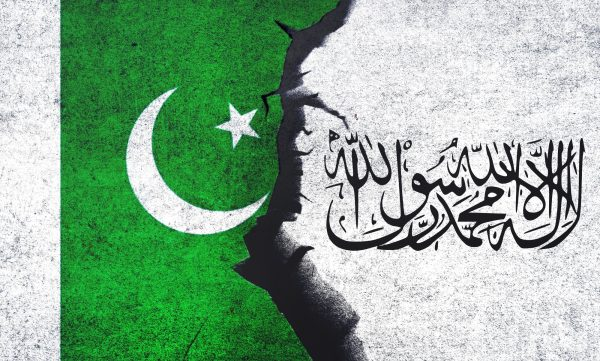
For years, Pakistan pursued a strategy known as “strategic depth” in Afghanistan, which envisioned a Kabul government friendly to Islamabad providing a security buffer against regional rivals, particularly India. The Taliban were long part of this strategic equation, and analysts have said Islamabad used the group as a tool to maintain influence in Afghanistan. However, recent developments suggest that calculation may not have been as beneficial as initially thought.
One key factor driving Pakistan’s changing approach is growing security concern over militant groups, especially Tehrik-i-Taliban Pakistan (TTP). Islamabad has repeatedly accused the Taliban of allowing the group to operate from Afghan soil or at least failing to take serious action to curb it. The Taliban deny these claims, framing them as Pakistan’s internal issue, though United Nations reports have documented the group’s presence and activity in Afghanistan. Consequently, border security and terrorism threats have become major points of tension between the two sides.
Political and social factors also play a role in Pakistan’s shifting stance. After the Taliban assumed power in Afghanistan, many expected a rapid strengthening of Kabul-Islamabad ties, but on-the-ground realities have shown a more complex relationship. Widespread dissatisfaction in Afghanistan over the economy, human rights restrictions, and the lack of an inclusive political structure has prompted regional and international actors to consider alternative political options for Afghanistan’s future.
Against this backdrop, Islamabad’s possible engagement with anti-Taliban political factions could serve as a pressure tool. If the meeting proceeds, it may send a clear message to the Taliban: Pakistan’s support or neutrality is no longer guaranteed.
However, this does not necessarily indicate a full break or a fundamental shift in Pakistan’s policy. Islamabad still has a strong interest in maintaining relative stability in Afghanistan and is likely to balance pressure on the Taliban with preventing a broader crisis. The potential opposition meeting should therefore be viewed as a political instrument to increase Islamabad’s bargaining power rather than the start of a completely new regional alignment.
These developments show that Afghanistan’s political dynamics remain fluid, and the Taliban face a more complex reality in their relations with Pakistan. Islamabad’s potential outreach to Taliban opponents could alter the political balance and increase both domestic and regional pressure on the group.
The outcome of this process will depend on multiple factors, including Pakistan’s commitment to policy changes, the ability of Taliban opposition groups to form a cohesive front, and internal developments in Afghanistan. The country continues to remain at the center of complex regional competition and calculations.