EU Parliament’s Afghanistan Policy: Pressure Tool or Dialogue Platform?
DID Press: Europe’s engagement with Afghan opposition groups is increasingly seen as a strategic investment in the country’s future. Analysts note that shifts in international power structures can elevate new actors onto the stage, making early relationships with these figures a potential advantage for Europe.
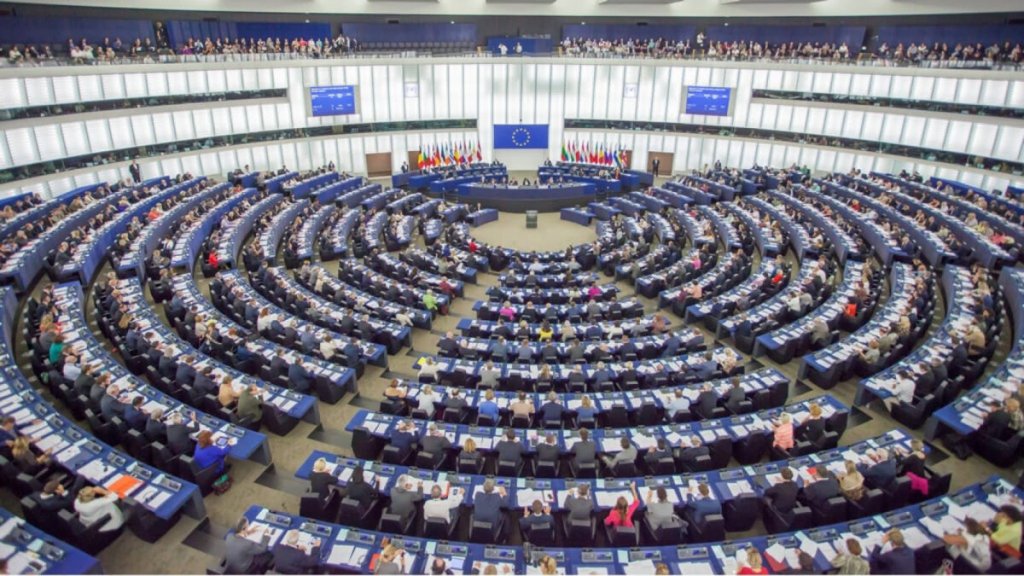
Since the Taliban’s return to power in 2021, Afghanistan has become one of the most complex international policy challenges. The European Parliament has attracted attention by hosting and meeting Taliban opponents, prompting questions: is it seeking to exert political pressure or create a platform for dialogue?
Observers argue the answer lies in broader geopolitical context. While China, Russia, and even Pakistan have taken pragmatic approaches toward the Taliban, Europe has faced a dual challenge: maintaining influence without formally recognizing the regime. The European Parliament has emerged as a key instrument, using discourse and political platforms to remain engaged in Afghanistan’s affairs without direct interaction with the Taliban.
This strategy functions in two ways:
- Soft Pressure: By amplifying opposition voices, the Parliament challenges the Taliban’s narrative, increasing political and moral pressure, particularly on issues like human rights and civil liberties.
- Dialogue Platform: Providing a forum for multiple Afghan perspectives can foster understanding and scenario planning in an environment where official channels are limited.
Strategically, Europe’s engagement is a long-term investment. Maintaining ties with emerging political actors ensures influence if power structures evolve.
However, the approach has limitations. The Taliban, as the controlling authority, is more responsive to security and regional concerns than to European discourse. Limited direct engagement may also reduce Europe’s practical influence on the ground.
Overall, the European Parliament appears to be pursuing a hybrid strategy, blending elements of pressure and dialogue. By leveraging soft power tools, Europe aims both to influence Taliban behavior and safeguard its role in Afghanistan’s future political landscape. Success will depend on domestic Afghan developments and regional and global competition, but Europe’s attention to Afghanistan remains unwavering.