Sanctions Remain as Global Distrust of Taliban Persists
DID Press: Nearly four years after the Taliban returned to power, relations with the international community remain marked by caution and deep mistrust. A recent update by the United Nations Security Council reaffirmed sanctions on 22 senior Taliban officials, underscoring continued concerns over the group’s conduct.
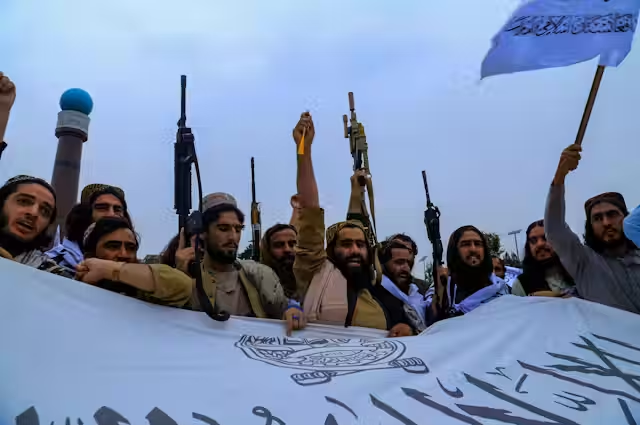
The sanctions—covering travel bans, asset freezes, and arms restrictions—are designed to exert political and diplomatic pressure on the Taliban to align more closely with international norms. Despite repeated Taliban calls for their removal and limited diplomatic outreach, global actors have remained hesitant.
Key Concerns:
- Security Risks: Many countries remain concerned about extremist and militant activity in Afghanistan. While the Taliban have pledged not to allow Afghan territory to be used against other states, international reports suggest these concerns have not been fully resolved.
- Human Rights Issues: Restrictions on women’s education, employment, and public participation have drawn strong international criticism. These policies are widely seen as a major barrier to normalization of relations.
- Lack of Inclusive Governance: The absence of a broad-based political system representing Afghanistan’s diverse ethnic and social groups continues to fuel skepticism. Critics argue the current Taliban structure remains dominated by a single faction.
Strategic Implications:
The sanctions signals that the international community is not ready to formally recognize the Taliban government. It also presents the group with a strategic choice: pursue reforms and engagement to ease pressure, or risk prolonged political and economic isolation.
However, analysts caution that sanctions alone may not be sufficient to drive behavioral change. Without parallel pathways for dialogue and constructive engagement, continued pressure could deepen Afghanistan’s isolation.
Conclusion:
The latest sanctions update highlights that the Taliban’s relationship with the world remains under scrutiny. Until key security, human rights, and political concerns are addressed, sanctions are likely to remain a central tool of international leverage—leaving Afghanistan’s future balanced between isolation and gradual reintegration.
By Sayed Baqer Waezi | DID News Agency