EU Urges End to Restrictions on Women and De-Escalation Between Kabul, Islamabad
DID Press: European Union has called for the immediate removal of restrictions on women in Afghanistan and urged a reduction in rising tensions between Kabul and Islamabad. The appeal was delivered during the 95th meeting of the Standing Committee of the United Nations High Commissioner for Refugees (UNHCR).
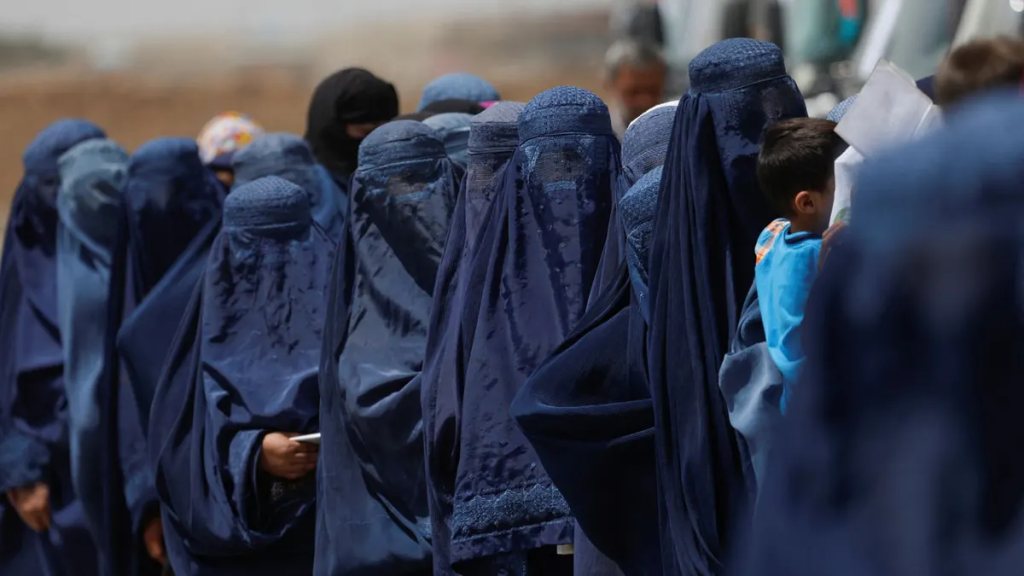
In its statement, the European Union delegation and its member states expressed deep concern over the deteriorating humanitarian and human rights situation in Afghanistan, strongly condemning the actions of the Taliban. The bloc described widespread restrictions—particularly those targeting women and girls—as evidence of “systematic human rights violations” and a form of structural repression.
The EU called for full and equal access to rights for women in line with international obligations. It also sharply criticized limitations placed on international organizations and the ban on women working, including within United Nations offices, warning that such measures undermine humanitarian operations and development efforts.
In another section of the statement, the European Union voiced concern over escalating tensions between Afghanistan and Pakistan, urging immediate de-escalation, respect for international law, and stronger protection for civilians. The bloc further stressed that Afghan territory must not be used as a base for threats or attacks against other countries and called on authorities to take effective action against terrorist groups.
The European Union also highlighted the return of more than four million Afghan citizens from Iran and Pakistan over the past two years, noting that the influx has placed additional strain on Afghanistan’s fragile economic and social systems.
In conclusion, the EU praised the efforts of the UN refugee agency in supporting displaced populations and reaffirmed its commitment to participating in a comprehensive regional response, particularly through the “Solutions Strategy for Afghan Refugees.”