DID Press: Recent strikes by Israel on key industrial and energy facilities in Iran mark a turning point in the region’s conflict dynamics, signaling a shift in Tel Aviv’s strategic calculations and an attempt to reshape the rules of engagement. Analysts suggest the attacks are not merely tactical military actions but part of a broader strategy that could draw the United States into a prolonged and difficult-to-exit confrontation.
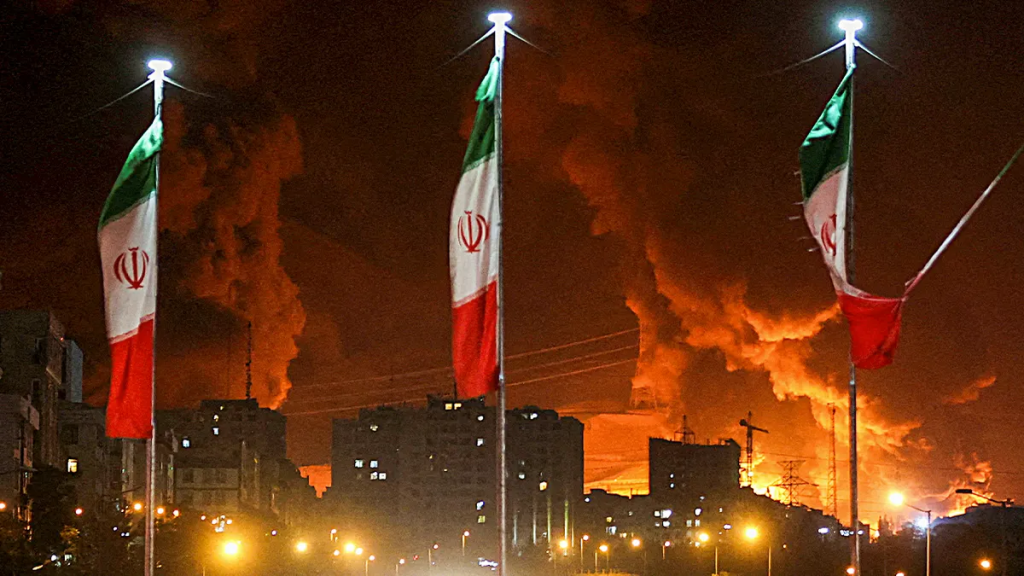
Despite repeated statements from Washington that expanding hostilities to Iran’s critical infrastructure represented a red line, Israel’s actions effectively placed the United States before a fait accompli. In international relations theory, this scenario is often described as a smaller actor initiating decisive moves that compel a larger power to align with its course.
Some American analysts have warned that continuing along this trajectory could deepen strategic divergences between Washington and Tel Aviv. As the conflict lengthens, political and economic pressure on the United States is expected to intensify — a potential “strategic quagmire” that critics argue Israel may be seeking to create.
While U.S. officials have emphasized efforts to end the war within a limited timeframe, Israel appears to be pursuing a different path. Reports indicate Washington is engaging in indirect contacts with Tehran through intermediaries and exploring proposals to halt hostilities. The urgency behind these efforts is driven by rising energy prices, mounting global economic strain, and the escalating daily costs of war.
Following the strikes, Iran signaled that its response would not be limited to direct retaliation alone. Official statements suggested that, in addition to Israeli infrastructure, industrial companies linked to the United States in the region could also be considered potential targets. This shift raises the prospect of the conflict evolving from a symmetrical confrontation into an asymmetric one — a scenario many experts believe could increase Israel’s vulnerability.
Legal arguments have also surfaced suggesting that Arab states hosting U.S. military bases could be viewed as parties to the conflict under certain interpretations of international law, potentially widening the scope of the crisis.
Summary:
The strikes on Iran’s infrastructure appear to be part of a broader strategic calculation by Israel to lock the United States into a sustained regional crisis. While Washington seeks de-escalation and a rapid end to hostilities, Tel Aviv’s expanding military actions risk complicating diplomatic pathways. Economic pressures from rising energy costs and the financial burden of war are placing unprecedented strain on U.S. decision-making, potentially limiting its ability to disengage from the conflict.