DID Press: A new wave of attacks attributed to Iran and allied regional forces has intensified tensions across the Middle East, with officials and media reports describing a significant shift in battlefield dynamics affecting both Israel and the United States.
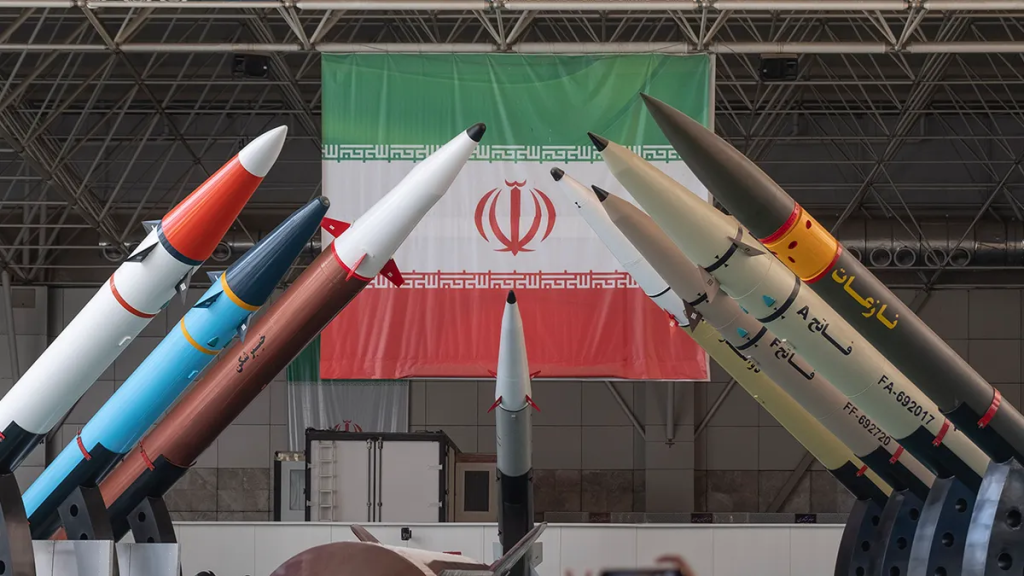
According to reports, large-scale missile strikes targeted Israeli cities including Tel Aviv, Jerusalem, Ashdod, and Beersheba, triggering air-raid sirens in more than 200 locations and forcing millions of residents into shelters. Debris from intercepted missiles reportedly landed in multiple areas, causing significant damage to buildings, roads, and vehicles.
Simultaneously, a missile strike on Prince Sultan Air Base in Saudi Arabia allegedly damaged several U.S. aircraft and wounded American personnel. Additional drone and missile incidents were reported near coastal facilities in Dubai, raising concerns about the widening geographic scope of the conflict.
Israeli officials have stated that previous strikes on Iranian infrastructure — including steel plants, power stations, and civilian nuclear-related sites — were coordinated with Washington, a claim that appears to contradict a publicly announced diplomatic pause by the U.S. administration. Analysts say such contradictions may reflect growing strategic uncertainty between allies.
In the northern front, Hezbollah reported dozens of operations against Israeli military positions along the Lebanese border, including attacks on armored units. Meanwhile, regional actors in Yemen warned they could intervene directly if additional countries join military operations in the Red Sea.
Reports also indicate multiple incidents affecting U.S. installations across the Gulf region, including explosions near facilities in Bahrain and heightened air-defense activity in the United Arab Emirates. Additional blasts were reportedly heard near U.S. positions in northeastern Syria.
Economic and Energy Impact
Global markets have shown signs of strain amid escalating hostilities. U.S. stock indices have declined for several consecutive weeks, while Gulf states are evaluating alternative energy transport routes due to security concerns in the strategically vital Strait of Hormuz. The United Nations has reportedly established a special working group to monitor risks to maritime security in the area.
Nuclear Safety Update
The International Atomic Energy Agency stated that recent strikes on facilities in Khondab, Bushehr, and Yazd did not result in radioactive leakage, despite repeated attacks on sensitive infrastructure.
Summary:
The expanding scope of hostilities — from Israel to the Persian Gulf and the Red Sea — suggests a transition toward a broader, multi-front confrontation. Mounting economic pressures, regional security concerns, and sustained military operations indicate a conflict environment that is becoming increasingly complex and difficult to stabilize, with competing claims over who currently holds the strategic initiative.